The-Order_-1886-PS4-1

by Wesley Yin-Poole

For Ready at Dawn, developer of PlayStation 4 exclusive The Order: 1886, it’s a matter of quality, not quantity.

Over the weekend a YouTuber called PlayMeThrough uploaded the entire game, including cutscenes, to the video site. Adding up the length of each video we get five hours and 30 minutes.

Last week I had a chat with Ru Weerasuriya, founder, CEO and creative director of Ready at Dawn, to discuss The Order’s length after a previous report indicated it could be completed in just a few hours.

“I know there are numbers out there,” he said. “I know why the question comes up. I know numbers have been put out there that are actually not right. It’s impossible to finish the game in that time, so we know the numbers are wrong.

“At the end of the day, we’re not going to comment on it. We can’t stop people from writing the things they do. And we’re not going to jump at every single mistake that is made out there. Every time somebody has the wrong impression of something we made, or somebody writes the wrong thing about what we did, it would be a full-time job to be like, oh no, that’s not right. We make games. We do what we do for the players. And, ultimately, that’s where I want to leave it.”

While Weerasuriya denied The Order, which leans heavily on interactive cutscenes and quick-time events as it blends third-person shooting, exploration and puzzle-solving with in-engine cinematics, can be completed in just a few hours, it is clear the game won’t be considered long by anyone’s standards.

The-Order-1886-2

But how long, exactly, had Ready at Dawn’s tests shown The Order to be? Weerasuriya wouldn’t reveal the average playthrough time, but he was willing to enter into the debate about it.

“Game length is important,” he said. “Every game has to take its own time to tell its story. Some games can be short. Some games can be long. I still remember the first time I picked up Modern Warfare, I finished the campaign in about three-and-a-half or four hours. And it was fun because they made that campaign work for that because they had something else.

“Any of these games need to pack in what it needs to to deliver the experience you were hoping to deliver when you first tackled it. For us that meant, it’s not going to be a short game, it’s going to be something that rewards you as you play through, that there is a storyline, that you have information there, and then also it opens the door to a lot of questions you might be able to answer either by what you find in the game, or hopefully by what you will find out in the future.

“Our industry is diverse enough that we need different games. We have to allow for different genres and single-player games like we do, multiplayer games, co-op games, social games, whatever it is.”

The Order’s length is of particular interest because it is a single-player only game. There is no multiplayer portion to turn to once the story is complete. So, the issue of value has been raised a week before the game goes on sale this Friday, 20th February. On Amazon, for example, The Order costs £49.
Weerasuriya said he understood concern about The Order’s value as a full-priced game, but hoped Ready at Dawn’s quality over quantity approach would satisfy players.”I absolutely understand,” he said. “To tell you the truth, that’s something we always keep in our heads. We know people want to be entertained and have things they can play longer. But the industry has always had diversity. You go back 10 years, there were a lot of games that were just single-player, one time play. There were some games that were single-player and you could jump back in and get more. That’s what we did in our game. You can jump back and get other things out of it.”Do we all need to do the same thing? I hope people who do like these kind of games, do play them. But I also want to be in an industry where me as a gamer, I’m given the choice to do that. I’ve played games that lasted two hours that were better than games that I played for 16 hours. That’s the reality of it.”I’ve had many more experiences of very short games that have floored me, that have left me dreaming of the things I could do after, more than the games that have lasted 15, 16, 20 or 30 hours, where I’ve just been like, okay, I played it through and I got what I wanted, but I didn’t get more than what I was expecting. Sometimes I want to be floored, even if it’s for a short amount of time.

“Gameplay length for me is so relative to quality. It’s just like a movie. Just because a movie is three hours long, it doesn’t make it better.”
the-order-1886-670x376

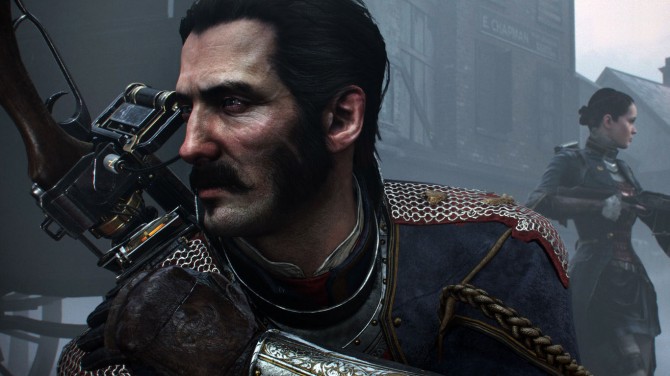
As the debate about The Order’s length rages on, most agree it’s one of the best-looking console games around. Its environments and characters are highly detailed, and its Neo-Victorian London vistas are stunning. In short, The Order is quite the looker.

I wondered whether creating a game with such impressive visuals meant Ready at Dawn, which is 120 people strong, simply didn’t have the time or resources to create a huge amount of content. But Weerasuriya said the development of the game wasn’t so black and white.

“It’s not the same people who go into both things,” he said. “It never was a question of, we’d put our efforts in art so we’re not going to create as much content.”

Rather, Weerasuriya insisted, it was Ready at Dawn’s focus on creating a variety of mechanics that meant there was more work to do than if it had made a straight up third-person shooter.

“If you want to talk about the number of gameplay mechanics, we probably have a lot more than normally any single game would have,” he said.

“Across the board, like the different melee systems, from the different gun systems, the breadth of guns you can use in the game, the different navigation stuff, even on the puzzle side, the interactive cinematics, all of that stuff, we actually probably, piece by piece, if you look at it, and the diversity of it, we built more content than a lot of games would.

“We didn’t rely on the same content. That’s one of the things we did. We didn’t want to be the one trick pony that went, all right, we’re making a shooter, so basically forget everything else, you’re just going to pick up a gun and you can go around and shoot at people. Not to sound like I’m putting anything down, it’s actually easier to do that and say, look, that’s all we’re going to do.

“The harder part was to try and figure out a way to build all these different mechanics and then through the thread of gameplay through the game, and the storyline through the game, put all of these moments together that made you feel like you’re going on a rollercoaster.”

The Order has raised eyebrows for the way it uses interactive cutscenes, which cannot be skipped, as part of the overall experience. The game often thrusts the player into action during or just after a cutscene with a quickfire QTE or melee fight, to name two examples.

This, Weerasuriya hopes, will keep players engaged throughout the entire campaign.

“When story is important we lessen the combat, but when combat is important we lessen something else,” he explained.

“Those spikes keep going all the way through to build an experience we felt was diverse. People would be always engaged. We’ll give you time to just watch and not do anything. Great. You can find that in the game. We’ll give you time to interact when you do that.

“But you better be careful, because as soon as an interaction is finished, you might have control of the player and you need to go forward, because if you wait, something bad might happen. That was the point. The point was, make sure people never felt like we were taking them for granted. We wanted them to understand there might be always something to do.

“Rightfully, some people just hate cinematics. Some people just hate certain types of gameplay. Some people hate navigation. The question for us was, we can’t just satisfy one group of people like that. What we want to do is give you an emotional ride. An experience. That was the long thread throughout the whole game.”

As The Order nears release, the length of its campaign is sure to play an important role in its success. But after a weekend of debate on gaming forums and social media, it’s clear some at Ready at Dawn are ready for the game to do the talking.
Final-Fantasy-XIII-2-Walkthrough-Final-Episode-Academia-500-AF

by Mike Worby

One of the most common requests that has long reverberated from the RPG community has been the desire for a true Chrono Trigger successor. What fans have spent years pining for was the dream of a modern game that featured all of the great ideas which made CT the instant classic that it was: time-travel, vastly different timelines, paradoxes, and choices that showed consequences over the course of thousands of years. What very few people realize is that this highly anticipated ideal of a game has already come and gone under a different title: Final Fantasy XIII-2.

Final Fantasy XIII, the game that preceded XIII-2, remains a bit of a paradox in and of itself. Though it sold very well, and, for the most part, was well-received critically, the majority of the series’ fanbase was left cold by the introduction to the Fabula Nova Crystallis project. The biggest criticisms for the title were in relation to the gameplay and pacing of the adventure. Exploration, one of the Final Fantasy series’ key features had been jettisoned almost entirely in favor of what amounted to basically an on-rails adventure tale with scripted events in the interim. In fact, players would have to endure 20-30 hours of this gameplay style before they were even given a single choice on how to play the game, and by this point most of them had already tapped out.

Ff13_2_e3_battle

Unfortunately this legacy is what led primarily to the downfall of FF XIII-2. With most fans dissatisfied, and the FFXIII name sullied, there was not a lot of fanfare for a sequel to a game that had so much negativity associated with it, and that many purchasers had neglected to even finish. The reason this remains such an astounding and tragic turn of events, though, is because XIII-2 is not just one of the greatest RPG titles of this generation, but one of the best RPGs of all time.

That statement might be a bit hard to swallow, but just give us a moment to convince you. For starters, Final Fantasy XIII-2 is one of only 22 games to ever be bequeathed with the legendary perfect score of 40/40 from Japan’s preeminent gaming magazine, Famitsu. What this game amounts to is basically the best parts of what worked in Chrono Trigger, and all of the best iterations of the Pokemon and Final Fantasy franchises.

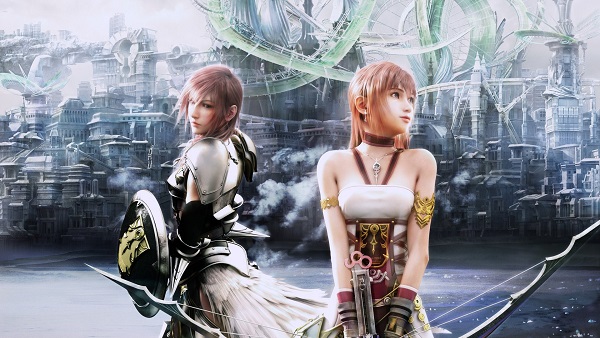
From Chrono Trigger it borrows the wildly inventive time travel mechanic, and turns it up to 11. Utilizing an almost daunting timeline system, FF XIII-2 has a plot which is often directly related to how you play the game, and even incorporates your choices (and your level of dedication) into how these various eras and places will develop over time. Going even further, XIII-2 actually has multiple timelines, some of which end in a paradox, as seen in the games opening moments, where Lightning, the protagonist of the first game, disappears into an oblivion of never-ending war.

Serah_finds_Snow

Pokemon lends XIII-2 its monster-catching gameplay, in what amounts to one of the most important decisions players can make for any given situation: the third member of your party. While the two primary roles of the battle system, which returns the highly tactical Paradigm design from FF XIII, are taken by the protagonists, Serah and Noel, the third position is reserved for whichever monster you believe can best assist you in your given situation. With the allowance to create and stack several decks of different monsters under different roles, and swap out your heroes with those same roles, XIII-2 brings back everything that worked for Final Fantasy XIII-2, just as it tosses out everything that didn’t.

You see, Square-Enix had heard the criticisms that everyone leveled at it over Final Fantasy XIII, it’s just that no one took the time to check in with them afterward. All of the key problems with the title are directly addressed, and a ton of new ideas are introduced in order to make up for the disappointment that many fans were left with in its wake. Meanwhile, the trademark exploration elements of the series returned in spades, with dozens of new environments to explore, the return of key characters in vastly different scenarios, and a world that literally changed with each passing hour.

Final Fantasy XIII-2 remains the best installment in the series since the golden age of the PSX, it’s just a shame that so few took the time to play it and see its endless potential. The title undersold, and, as such, its mechanics were thrown away entirely in favor of an action-based third installment, Lightning Returns: Final Fantasy XIII. This series of unfortunate events has made FF XIII-2‘s situation even more dire in its tragedy, leaving it in its own paradox as one of the best RPG titles of the last 20 years, while being sandwiched tangentially between 2 mediocre and under-delivering games in the same series.

by Chris Reed

We’ve already covered video game series that started off good but went bad. Instead of rehashing those titles, this time, let’s look at currently ongoing series that are either making poor games or have gotten stuck in a creative rut. In some instances the games might even be good, but they’re not doing enough to move the franchise forward. Here are six video game series that either need to shake things up in a major way, or call it quits.

1. Final Fantasy

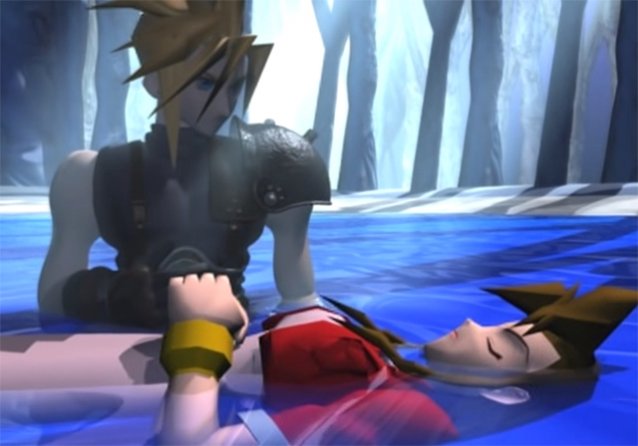
finalfantasy7

Very few people would debate the quality of the first 10 Final Fantasy games. With surprisingly few exceptions, they’re well worth your time. And many — like numbers IV, VI, VII, IX, and X – are among the best role-playing games ever made. Asking a series for more excellent games than that would be downright selfish.

However, most fans would agree that the last really good installment was Final Fantasy X, which came out in 2001. Square Enix is still pumping them out, but 14 years is a long time to run on fumes. If Final Fantasy XV is a disappointment, then it’s probably time to lay the series to rest.

2. Pokémon

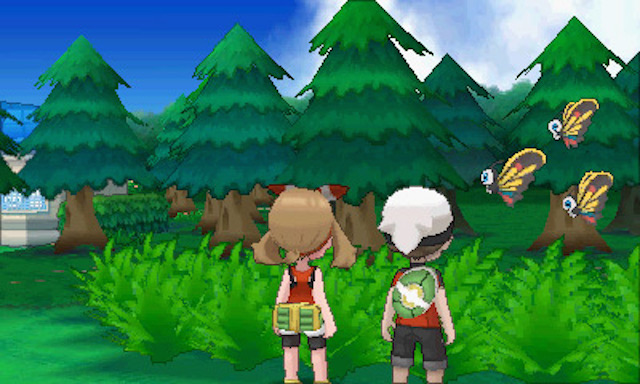
pokemon-alpha-sapphire

Oh, Pokémon. I like you. I really do! But has there ever been a series of games that has run for so long and changed so little? Sure, the games have collected some handy new features along the way, but so much of each installment remains exactly the same from year to year.

You always play as a kid who goes from town to town, collecting critters and challenging gym leaders. Longtime fans could probably play any new installment with their eyes closed. Isn’t it either time to add some spice to the recipe or take time off to come up with new ideas?

3. Gears of War

2541914-gearsjudgment-1024x595

Gears of War is a series that innovated itself into a rut. The original game was groundbreaking in the world of shooters: It popularized the concept of the cover mechanic, which was a big win for the industry. Prior to that, no one seemed to realize that charging into a battle with no cover was a bad idea.

The sequel tightened up everything that felt loose about the first game, delivering a terrific, action-packed experience. After that, however, Gears of War 3 and Gear of War: Judgment just felt kind of stale. A couple of minor new gameplay ideas were introduced, but nothing groundbreaking. The games are fine, but “fine” is a pretty big drop from “groundbreaking.”

Microsoft is planning to bring the series to Xbox One, albeit with a new development team. If we’re lucky, a next installment will breathe new life into the series. On the other hand, it just might be best to leave it in the past.

4. Assassin’s Creed

assassins_creed_iii-640x400

I get it. It’s hard for any publisher to release yearly installments of a series and maintain a high level of quality each time. But there’s one really great solution: quit making so many games.

Assassin’s Creed Unity was such a buggy mess at launch that Ubisoft gave away a chunk of additional content as an apology. And although the series may have pioneered some really smart gameplay ideas, other games, like Batman Arkham City and Middle-earth: Shadow of Mordor, have improved upon these ideas while Assassin’s Creed has remained stuck.

Take a year off, Ubisoft. Put some extra effort into these games. Work on simplifying the insanely complex story that has only become more difficult to follow over the years. Make Assassin’s Creed fresh again.

5. The LEGO series

LEGO-Batman-3_BatmanRobin_01-640x360

It was hilarious and fun in 2005 when the first licensed LEGO game rebuilt the Star Wars prequel trilogy using animated building blocks. But the series has chugged on, with installments based on Harry Potter, Indiana Jones, The Lord of the Rings, Batman, Rock Band, Pirates of the Caribbean, Marvel Superheroes, and the upcoming Jurassic World. Ugh. It’s exhausting just listing them all. When will there be enough? Isn’t it time to take a break?

6. LittleBigPlanet

littlebigplanet-640x360

Here’s a series that started off great back in 2008. The original game was a side-scrolling platformer that involved jumping over obstacles and solving breezy puzzles to get from point A to point B. It also let players get creative by decorating their own area and whipping up their own levels to share online. Plus, Sackboy the hero was adorable.

The second game came with all kinds of innovations, particularly on the creative side of things. With enough time, creativity, and elbow grease, you could build just about any kind of level you wanted using the tools provided. It seemed like nothing was impossible.

But then along came the uninspired third installment, which failed to innovate in any major way. It’s time to change things up once more or send Sackboy packing.


6e0de1dd634ea01103f7d098fbb8e845

by Colin Campbell

This game is about real life. The main protagonist is you.

Called Reflections, the game is still in Greenlight mode on Steam. Even if the set-up sounds a little unusual, the game does look pretty interesting.

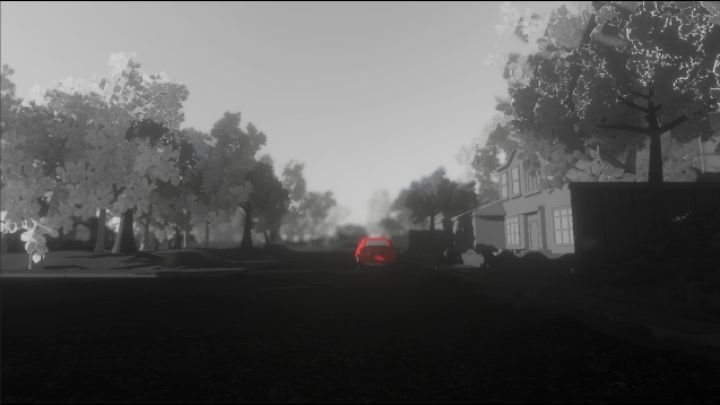
It’s another one of those walkabout games in which you explore your surroundings, pick up stuff, make decisions and move the story forward. You begin the game packing up your things to head out to college. The player explores and interacts. The story reacts to how the player moves objects around.

Developer Tristan Moore of Broken Window Studios explained to Polygon what else happens. “Interactions are all based around manipulating physics-driven objects, but we’re pushing hard to make each of these interactions meaningful,” he said. “You can do things like exploring your home, making repairs, cultivating the relationship with your friends and family, exploring your neighborhood or even just play games like basketball.”

12759ece8843e684ed245f7bca49f386

As you complete interactions, objects become flushed with color. The player’s view of the world gradually changes from monochrome to vivid color.

Reflections was originally built at a game jam at around the time Moore was graduating from college. He wanted to try to make a game that spoke about real life, but decided to focus on other stuff, like open-world horror title Grave.

“Since then, a few games have come out with interesting experiences that were just about normal people,” he explains, referring to the likes of Gone Home and even more fantastical fare like Dear Esther and The Stanley Parable. “The value of that type of experience has been proven. Not every game has to be about action, combat or puzzles.”

So, why make a game about people pretty much being themselves? “We’re really pushing the idea that the you are ‘you’ in the game, so the elements of the story are designed to be general. We are setting up a couple of questions for you to answer at the start which may change some of the outcomes and characters. We want to leave the character of ‘you’ pretty open, so it’s more defined by your actions than a predetermined context.”

Reflections, due out in April, asks the question: “Where will your life take you?” If you’re interested, over to the Steam Greenlight page would be a good start.

NEW GEN TIDBIT: Xbox One Rises

Posted: February 13, 2015 in Announcements

1025887_422700944433031_1828024586_o

by L.W. Barker aka ‘Sarge’

We can confirm that Microsoft is not only working on the capability of streaming Xbox One games to Windows 10 PCs, but they are also exploring the possibility of doing it the other way—streaming PC games through the Xbox One.

If their efforts are successful, Xbox One would receive literally thousands of game titles into its current library—enabling it to far out pace Sony’s PS Now offerings, while also allowing it to muscle its way into Valve’s Steam Machine territory.

#Microsoft #XboxOne #GamersOutpost

evolve-steam-cd-key-satin-al-001

by Jeff Grubb

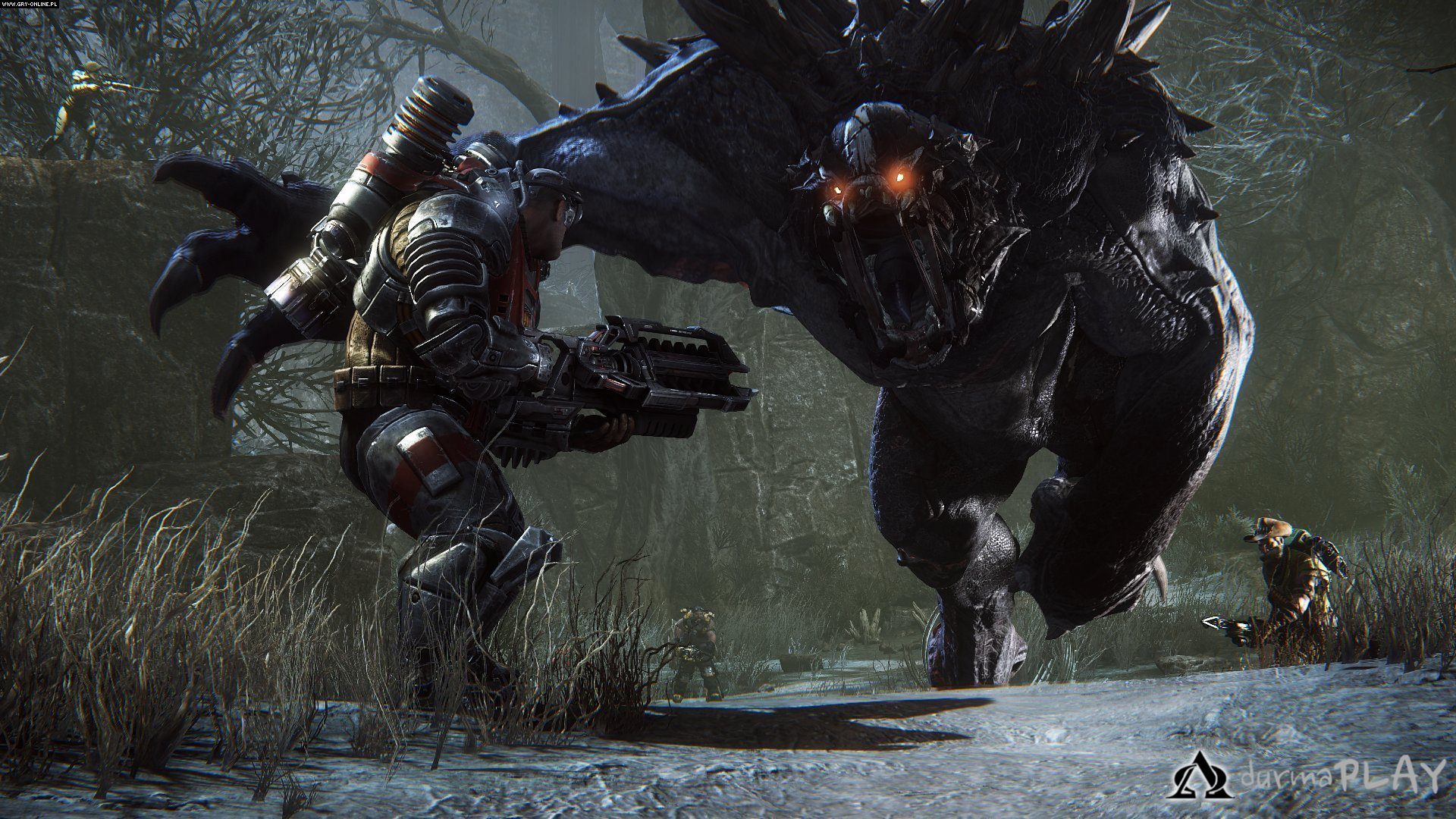
Gamers are not afraid to let you know when they’re unhappy, and publisher 2K is learning that right now. People are slamming the Steam store page for the new 4-on-1 online shooter Evolve with damning reviews as a way of letting others (and 2K) know that they do not like many aspects of the game. The most common complaint is that Evolve has too much day-one downloadable content that players can pay to unlock as well as the premium-priced versions that include extra stuff that many people think should come included with every version of Evolve. We asked 2K to comment on the gamer response, but we’re still waiting on the company’s statement.

If you pay the $60 retail price to purchase Evolve, you get it with 12 of the hunter characters (some of which you unlock as you play) and three of the monsters. But you do not get immediate access to four additional hunters and the three monster skins that paying $80 unlocks. Or you could pay $100 to immediately have access to 18 hunters, four monsters, and four monster skins. 2K has eight different ways to buy Evolve — all of which come with various pieces of extra content that act as incentives to get players to spend more. While this may potentially increase the revenue the game generates, this price structure is also enraging some players who may enjoy Evolve but are eviscerating it in reviews because they think it’s not fair to pay $60 for what they feel is an incomplete product. It doesn’t help that Evolve is multiplayer-focused. Gamers are accustomed to paying $60 for releases that are brimming with single-player content as well as competitive and cooperative multiplayer modes. Evolve is laser-focused on its 4-versus-1 mechanics — but many people think that even $60 is too much for that. But the game also had nearly a dozen cosmetic skin packs for characters available for purchase the moment it went on sale. All of these issues have led to a number of negative user reviews on the Steam store page for Evolve.

theamazingspiderman2_promotionalstill21_1020_0

by Jacob Kastrenakes

Sony appears to be lending Spider-Man to Marvel in exchange for the studio’s expertise — not its money. According to The Hollywood Reporter, Marvel won’t be paying a dime to put Spider-Man in one of its upcoming films, despite the fact that Sony still holds the character’s film rights. Instead, Sony reportedly sees the free exchange as a way to bolster the Spider-Man franchise, which by most accounts should be doing far better at the box office than it currently is. Marvel is hugely successful at making superhero movies, and that means Spider-Man should be in much better shape the next time Sony puts him in a solo film.

That’s a really interesting exchange for a whole host of reasons. Marvel’s side is perhaps the simplest. For one, it’s great news for Marvel’s fans, who have wanted to see it take back Spider-Man for a long time. It’ll also prime the studio’s movie universe should it ever manage to reacquire the hero’s film rights. But more importantly, the Reporter notes that Marvel still holds Spider-Man’s merchandising rights, so there’s still plenty of money for it to make off of Sony’s films — especially when they’re successful.

What’s more notable is that, with this deal, Sony is basically admitting that it’s not very good at making Spider-Man movies. Under the agreement, Marvel Studios president Kevin Feige — who’s generally seen as the mastermind behind the Marvel Cinematic Universe — will co-produce Sony’s next Spider-Man movie. Sony retains final creative control on the films, so there’s plenty that could go wrong, but the intention is quite clearly for Feige to work his magic. After all, Marvel isn’t about to put its other characters into Spider-Man movies that it doesn’t have faith in.

The Reporter bolsters that understanding of this agreement with new details of how the film will be made at Sony. According to its report, producers Avi Arad and Matt Tolmach — who had been overseeing the Amazing Spider-Man franchise and its planned universe of spinoffs — will merely be executive producers on these new films. While that’s a nice title, it reportedly means that they’ll have little say creatively. That’s a big change, and one that seems to show Sony stepping away from its existing ideas about the character.

That said, Variety reports that Sony is moving forward with its plan to create a world of Spider-Man spinoffs, including Sinister Six, Venom, and an additional movie focused on women. Feige, reportedly, is not expected to have any involvement with the spinoffs. Even so, it’s possible that he’ll be around for the pictures focused on Spider-Man himself. Variety also makes it sound like we shouldn’t be surprised to see Spider-Man pop up in more than one Marvel movie.

How this partnership plays out in the longterm still remains unclear. Sony and Marvel intend to keep working together to some degree, but it isn’t obvious how close that’ll be. If fans want good Spider-Man movies, they should hope that Marvel remains intimately involved. It wouldn’t be surprising for Sony to want that as well: the studio could use a huge franchise, and Marvel’s involvement is the closest guarantee it can get to making a hit.

halomcc

by Jessica Conditt

The public beta for an upcoming Halo: The Master Chief Collection content update, designed to tackle ongoing matchmaking and party system issues, is canceled. Matchmaking has been busted in myriad ways since The Master Chief Collection’s launch in November on Xbox One, and Microsoft-owned development studio 343 Industries has issued a handful of patches to address these problems already — this update is expected to be a big one. In January, 343 said that “given the scale of the update,” it would invite Xbox One Preview Program members to test out the patch ahead of launch. And no, that’s not the normal way these things work.

Yesterday, 343 reversed that decision, writing in a new post, “After further evaluation, the team has determined that final testing for the content update will be completed internally, and we will not be conducting a beta test for the next CU.” Additionally, 343 said that preparing the beta would delay the actual patch (and that would be sad for owners of the game, of course).

There’s still no release date for the content update, and this week’s post reiterates that the patch will focus on matchmaking and party issues, plus other items that will be detailed in the future.

by Nicholas Holden

On Saturday, we reported that a popular YouTube streamer was raided by police in front of 60,000 viewers, as a result of a false police report claim, or “Swatting.” The ‘SWATer’ is yet to found, but in an unrelated case a Nevada gamer has been arrested, as he has been accused of orchestrating a “SWATting” attack on a video gamer over the summer.

Brandon Wilson, 19, known by some as “Famed God,” was arrested last week Thursday, according to the Chicago Sun-Times. Wilson falsely reported a murder to Naperville police in July 2014, resulting in armed law enforcement arriving at a victim’s address.

MediaHandler.ashx
Brandon Wilson, 19, aka “Famed God”

Prosecutors working on the case stated that Wilson also threatened an attack on the victim’s banking and Social Security accounts. He told the victim that  he would put the victim’s father “in debt for life.” The threats will form as additional charges, of which Wilson can expect up to five years in prison.

Investigators found evidence of Wilson’s involvement in the SWAT attack as well as other similar incidents. He charges include; two counts of computer tampering and one count of intimidation, computer fraud, identity theft and disorderly conduct. The are said to be up to three other states currently after him who may proffer additional charges.

Most “swatting” related incidents come from gamers. The success of streaming platforms such as Twitch, which provide a live screening of victims being ‘Swatted’ could be the reason, as it provides the perpetrator with an audience. That being said, it looks like we are slowly but surely seeing these pranksters being punished for their actions. As a result, we may see swatting reduced over the next few years when more of these internet thugs land themselves behind bars.

Do you think Wilson’s five year jail sentence is too harsh? Remember Justin Carter, the teen jailed in 2013 over the League of Legends disagreement? His case is still under investigation. Carter spend a lot of time in jail and is still under house arrest, over a comment.

by Chris Reed

Superhero movies have been making a killing at the box office for more than a decade now, but all too often the video games based on these spandex-clad characters are a little lackluster (*cough* Superman 64 *cough*). Thankfully, we can find some diamonds in the rough. Here, in no particular order, are some of the best superhero video games ever made.

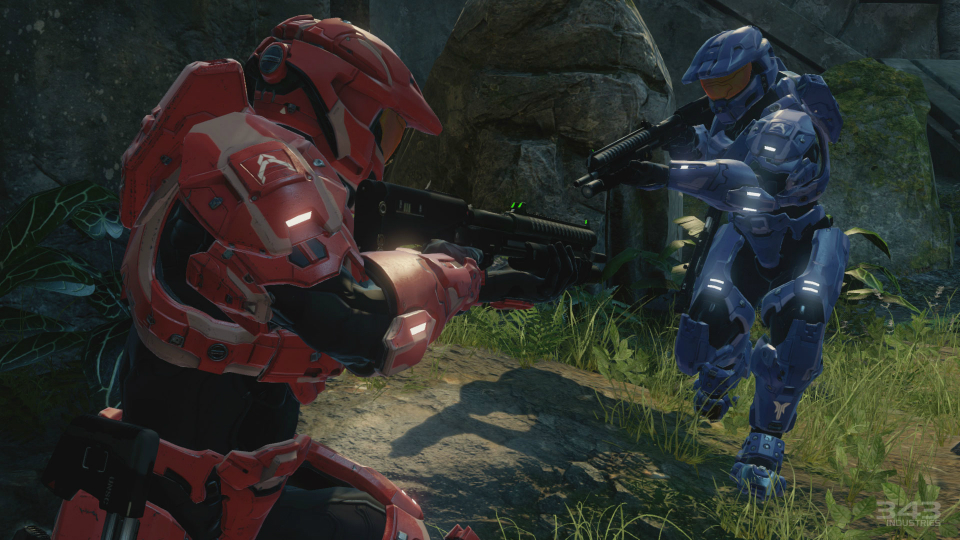
1. Ultimate Marvel Vs. Capcom 3

ultimate-marvel-vs-capcom-3-640x343

When it comes to superhero Fighting games, Ultimate Marvel Vs. Capcom 3 is about as good as it gets. Each player picks three fighters from a massive roster of Capcom characters and Marvel superheroes, including Spider-Man, Iron Man, Wolverine, and Hulk. Then you tag-team your way through your opponents, pulling off big flashy moves unique to each character.

To the untrained eye, the results might seem too chaotic. But once you get a little experience under your belt, you’ll find a game with all the depth and balance of Capcom’s best fighting titles.

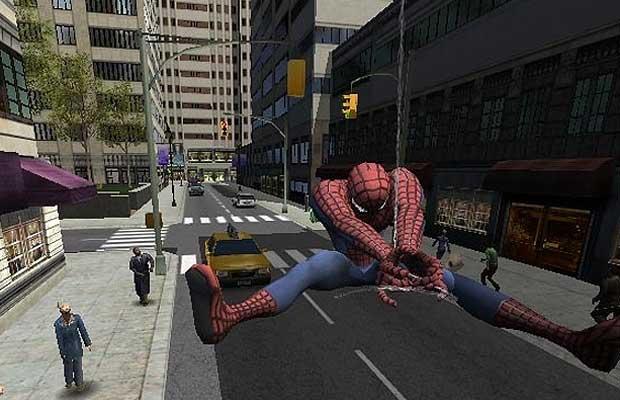
2. Spider-Man 2

Spider-man_2_1621575i

The 2004 game Spider-Man 2 was one of the better open-world games of the era, thanks in no small part to its swinging mechanic. It was great fun to web-sling through the skyscrapers of Manhattan, taking in the vistas and stopping to thwart the occasional crime.

Beyond that, though, the game sported voice acting from the cast of the movie, narration by cult hero Bruce Campbell, and plenty of fun side missions. Other Spider-Man games have come out before and since, but this one just might be the best of the bunch.

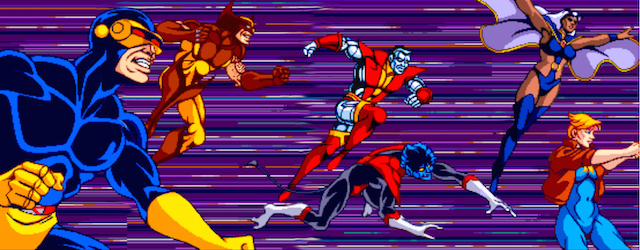
3. X-Men

X-Men

In the 1990s, some of the most fun you could have with your friends was going to the arcade and crowding around the four sets of control inputs on the X-Men arcade game. Each player could jump, attack, and use a limited superpower against the hordes of Sentinels and other enemies the game sent after you. It was challenging as all get-out — which ensured you’d keep pumping in quarters — but the four-player cooperative gameplay was second to none.

4. Freedom Force

freedom-force

Everyone loves the Bioshock games, but before those were conceived, developer Irrational Games made Freedom Force, one of the best squad-based tactical games around. Before each mission, you assemble a team from a list of superheroes. Then you go out into the city and stop the bad guys before they can finish their bad deeds, whether that means thwarting purse-snatchers or fending off an alien attack. It’s all great stuff that’s clearly inspired by the early years of superhero comics, and it works fantastically in the game.

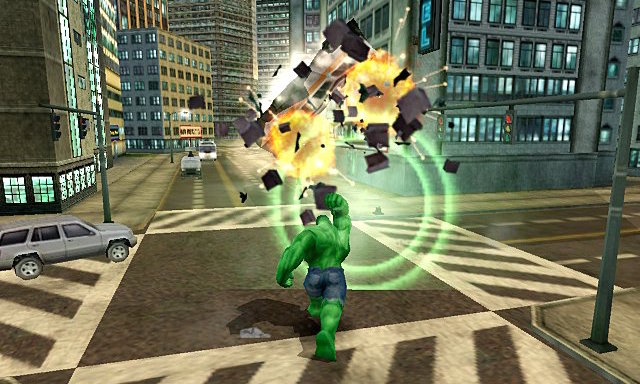
5. Hulk: Ultimate Destruction

hulk-ultimate-destruction

The angry green giant hasn’t enjoyed the video game spotlight as often as Spider-Man or the X-Men, but he starred in one really fun game in the PlayStation 2 era. Hulk: Ultimate Destruction is an open-world game in which — as the title suggests — you can wreak havoc on the city.

Just about everything in the game is destructible, from the cars to the lamp posts, and even some of the buildings. Better yet, you can use pieces of the stuff you demolish to break other things and fight off enemies. If you enjoy the occasional unhinged rampage, this game’s for you.

6. Lego Marvel Superheroes

lego-marvel-superheroes

Lego games are always adorable and lighthearted, but Lego Marvel Superheroes also offers an encyclopedic look at the whole wide Marvel Universe. Scores of superheroes and villains are accounted for here, including the X-Men, Fantastic Four, and the Avengers, plus all the mean mutants and evildoers they love to fight. But the best thing about this game? No matter how many building blocks you break the Marvel Universe into, no clean-up is required.

7. Marvel Ultimate Alliance

marvel-ultimate-alliance

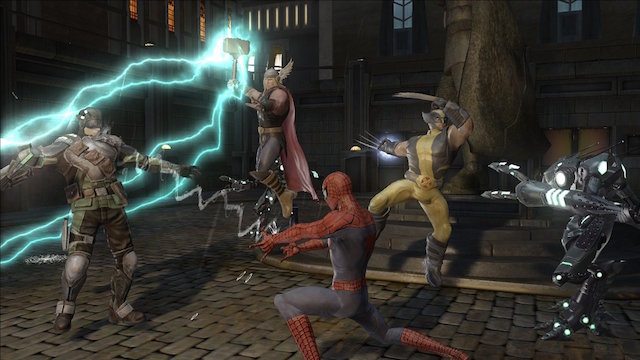
The X-Men Legends games were tons of fun, but developer Raven Software went all out with Marvel Ultimate Alliance, a top-down beat-‘em-up game that has you pick from 24 playable superheroes and then pound the super-snot out of every enemy who gets in your way.

The game features more than 100 characters from the Marvel Universe and explores just about every corner of the comic book locations, from Thor’s Asgard to Dr. Doom’s Latvian castle. Throw in some satisfying skill tree-based progression and a fantastic story line, and you’re looking at a great way to spend 20 hours.

8. Batman Arkham Series

batman-arkham-asylum-e1398437366105

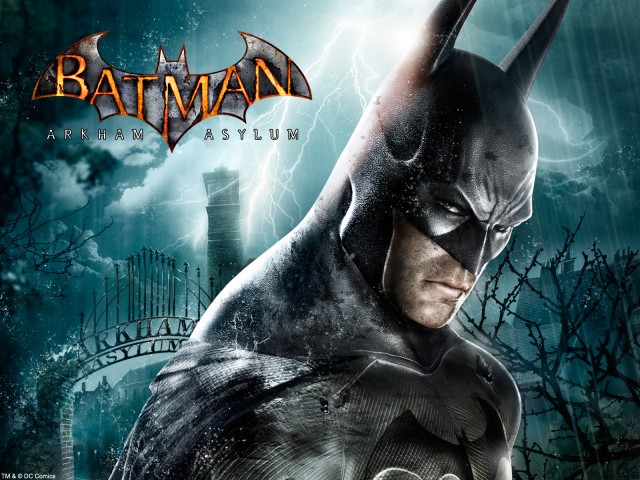
Let’s cut to the chase: If for some reason you can only play one superhero game for the rest of your life, you should choose either Batman: Arkham Asylum or Batman: Arkham City. These games are no-holds-barred AAA titles. First is story: The plots weave a crime-filled tale that fits perfectly into the Batman canon. Developer Rocksteady managed to do right by the heroes and villains alike.

But the best thing is the combat. These games have some of the hardest-hitting melee battles in all of gaming. You often find yourself being attacked by a group of thugs, but the game’s finely-tuned system of blocks and counterattacks makes fending them off not only possible, but incredibly rewarding. Batman comes off as powerful, but not too powerful; capable, but not invincible. It’s everything you could want in a superhero game and more.