c6aa52a335e6b5bb49c3cf913639529a

by Owen S. Good

In a blistering recap of Sega’s mistakes, the former CEO of Sega of America ripped the company for making “the stupidest decision ever made in the history of business” when it rejected a partnership with Sony to make a console back in the 1990s.

Talking to GamesIndustry.biz, Tom Kalinske said that when Sega’s board turned down the proposed partnership with Sony, “I didn’t feel they were capable of making the correct decisions in Japan any longer.”

Kalinske left Sega in 1996 having worked for the company at the height of its power in the home console market, during the knock-down/drag-out fight between the Genesis and the Super Nintendo. He has discussed the proposed partnership before, saying it arose from the animosity Sony felt for Nintendo when their notable partnership proposal also fell through.

Kalinske said he and two Sony of America executives had come to an agreement to build a single platform, share the development costs and the losses it would inevitably take in the first few years, but that both parties would benefit. “We go to Sega and the board turned it down, which I thought was the stupidest decision ever made in the history of business,” he said.

Even after two failed partnerships, Sony pressed ahead with its own console — the PlayStation.

He seems to have quit at the right time, as the successors to the Genesis were commercial disasters and Sega limped into the new century as a third-party publisher.

Lately, good news has been rare for Sega; though it made a small operating profit in its last fiscal year, following years of losses, it recently announced another wave of job cuts, including the closure of its U.S. offices in San Francisco.

While Sega had an agreement to deliver three titles exclusively for Nintendo platforms, the third, Sonic Boom, was a critical flop and a commercial disappointment as well, moving just 450,000 copies during the holiday buying season.

“I do think some great brands obviously have been destroyed, Atari being one of them.” he said. “Why didn’t that survive? I think there’s a lot of bad decision-making involved in killing brands like that. I hope Sega isn’t the same thing.”

GamesIndustry.biz has a lot more in its interview with Kalinske, who remains with LeapFrog, an educational entertainment company he joined shortly after departing Sega. Kalinske does not think Sega is doomed, necessarily, and it remains a very strong brand.

99883291e519b4f8be4057c6db63c28d

by Collin Campbell

Owners of different consoles buy them for very different reasons, according to new research.

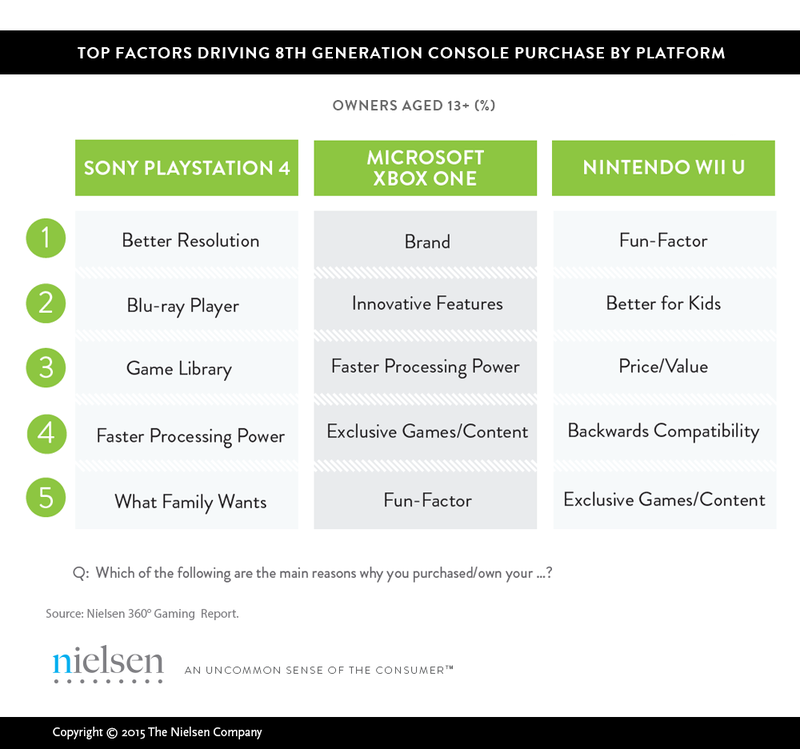
A new study from Nielsen asked console owners for the top reasons why they chose to buy a particular new machine. The answers that came back show a stark diversity for PlayStation 4, Xbox One and Wii U.

d33598091074271c71a500596bb9d63f

For PS4 owners, the most important thing is “better resolution,” followed by a Blu-ray player, the game library, and family preference.

Xbox One owners cite brand as the top reason followed by “innovative features,” system exclusives and “fun-factor.”

Owners of both system said they made the purchase due to “faster processing.”

Wii U owners were focused on fun-factor, children, value and older games.

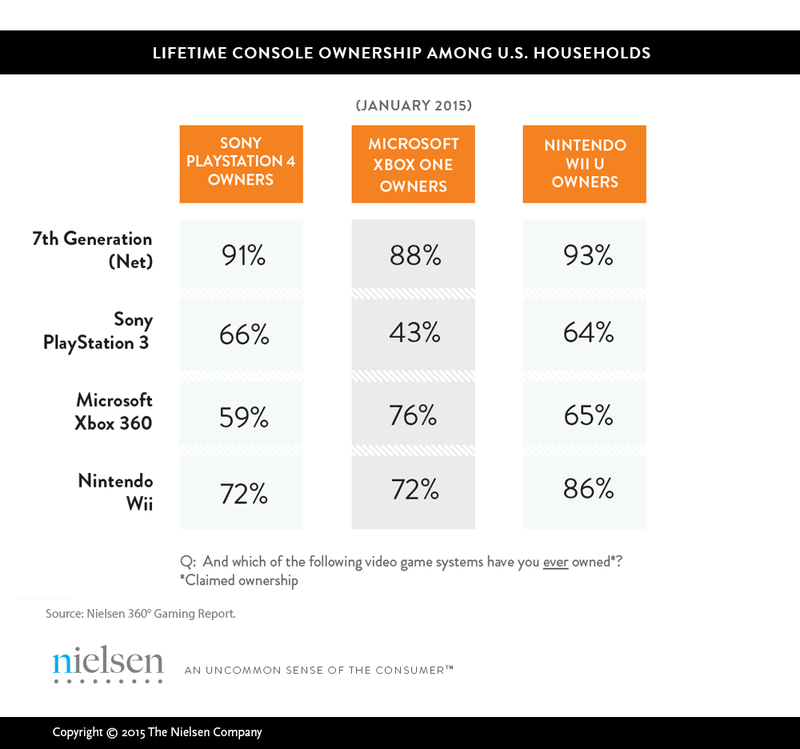
Also interesting is the breakdown of prior console use among current generation users. 86 percent of Wii U owners owned a Wii. 43 percent of Xbox One owners owned a PS3, while 59 percent of PlayStation 4 owners owned an Xbox 360.

70bbf51b7e4837a428b4b93a52c69d92


Games-with-Gold-Xbox-One-fail-665x385

by Jacob Siegal

We’ve covered Microsoft’s Games with Gold every month since the program made its debut on the Xbox One last June. Some offerings have impressed us more than others, but I think it’s fair to say that the selection in March is the best yet.

rayman-legends

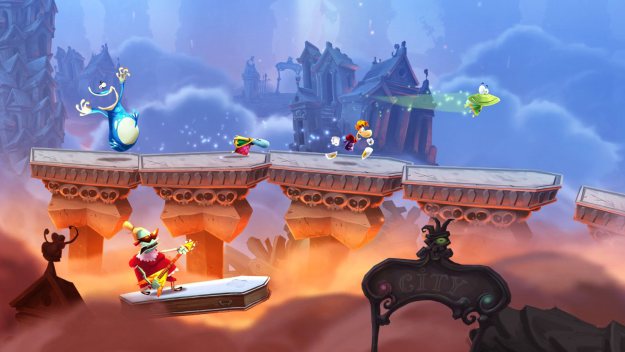
Xbox One owners with active Xbox Live Gold subscriptions will be able to download Rayman Legends for free starting on March 1st. Rayman Origins and Rayman Legends are two of the most improbably perfect platformers released on any console in the last generation, going toe-to-toe with the best of what Nintendo has to offer.

Whether or not you have any interest in Rayman as a character, you don’t want to miss out on Legends.

Tomb-Raider-Definitive-Edition-HD-Pictures-1280x800-6

From March 1st – 15th, Tomb Raider will be free to download on Xbox 360. I’ve spoken about Tomb Raider in the past, but I’ll remind everyone once again that this was my favorite game of 2013. It’s a great reboot for the series, and now you can catch up before Rise of the Tomb Raider makes its way to Xbox One later this year.

3722_353324

Then, from March 16th – 28th, BioShock Infinite will take Tomb Raider’s place as the free Xbox 360 game. Infinite hits some stumbling blocks along the way, but there’s a reason it got as much attention as it did when it launched two years ago.

Microsoft also revealed that over 100,000,000 Games with Gold titles have been downloaded since the program began, and to celebrate, the company is offering twice the games in April. That means 2 free Xbox One games and 4 free Xbox 360 games. We’ll see if they can top March’s selection.

PlayStation-5-PS5-1

by Christopher Morris

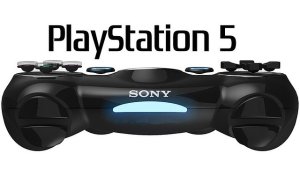
Sony and Microsoft are already planning for their next generation consoles

The current console generation (or is it the next generation?!) is not yet eighteen month old, yet already many video games fans are looking to the PS5 and Xbox Two. There are a variety of reasons for this, but one of the most prominent is that the existing video games systems have perhaps been a little underwhelming.

It is a bit harsh to describe the PlayStation 4 in particular in this way, as it is essentially a very solid video games system which has already delivered some excellent titles. Sony Corporation will undoubtedly be satisfied with the commercial performance of the PS4 in the video games marketplace, but yet hardcore gamers are not entirely satisfied with it.

The fast moving PC market means that both the PS4 and Xbox One are already falling behind, and despite the fact that both Sony and Microsoft Corporation are currently working on virtual reality systems, there are question marks over whether the existing console technology will be able to deal with it.

Evolving model

Additionally, the whole video gaming model is changing. The inordinate popularity of smartphones has contributed to this, as casual gamers would rather play titles such as Flappy Bird and Angry Birds on iPhones and Android-enabled devices.

And the time when cloud-based gaming renders the console obsolete may not be a million miles away. Although we are likely to see at least one more generation of video games consoles, both Sony and Microsoft are already investigating the prospect of gaming in the cloud in this generation, and it could be that the PlayStation 5 and Xbox Two will be centred around this concept.

While both the PlayStation 4 and Xbox One have delivered some visually impressive titles, there is also the feeling that nothing which has appeared on the systems as of yet is truly next generation. The Last of Us and Grand Theft Auto 5 in particular are exceptional games which look beautiful on the next-generation consoles, but they are nothing more than upgrades of previous generation titles.

In terms of delivering a truly unique and revolutionary experience, it is doubtful whether either the PS4 or Xbox One can deliver. With this in mind, virtual reality is extremely important for the industry. Already analysts’ predictions are that the PlayStation 4 will sell around 80 million units in this generation. These are pretty good figures for Sony, but when one considers that this is just over half the number of PlayStation 2 units which we shifted, it is evident that consoles need to deliver something truly groundbreaking if they are to reclaim their market share. Or even retain it.
PlayStation-5-PS5-2

VR critical

So the first element of the PlayStation 5 and Xbox Two which will be important is outstanding support for VR gaming, which will also necessitate hugely increased specifications, processing power and improved graphics chips. Many analysts, observers and even video game fans believe that both Sony and Microsoft were pretty cautious when making decisions about the internal components of the PS4 and Xbox Two. And given that the consoles are already falling behind the PC market in terms of capabilities, it is clear that by the time this console generation ends that this will be a major issue.

It is not surprising then that the existing consoles will have a much shorter shelf life than previous iterations of the PlayStation and Xbox series. We will probably see the PlayStation 5 and Xbox Two by the end of this decade, whereas previous Sony and Microsoft consoles have had a natural life of 10 years or more.

Attempting to solve the short lifespan of consoles in the existing gaming landscape may take some radical action from Sony and Microsoft. As mentioned previously, it is extremely likely that both corporations will place a greater emphasis on streaming technology with their future consoles. While the demise of physical media has been predicted continually, and indeed incorrectly, for some years, it is not beyond the realm of possibility that the PlayStation 4 an Xbox One could be the last mainstream video games consoles to include discs.

Even if this is not the case, by the end of the decade broadband speeds should have improved considerably, and streaming services for contemporary games could become feasible. This would prevent consoles dating as quickly as they do at present to a certain extent, although it must be said at the moment that the cloud-based gaming model certainly needs to develop somewhat before it becomes truly viable.

Xbox-Two-1

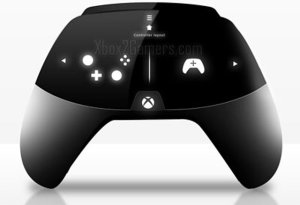
PS5 and Xbox Two to focus on 4K

Another aspect which PS5 and Xbox Two will need to deliver on is 4K resolution. This will be another area where the existing consoles are going to be left behind pretty rapidly. Although both consoles have the capability to display content in 4K, the chances of either of them running modern games in this resolution are absolutely zero. The Xbox One has actually struggled to deliver 1080p gaming, and although the Sony machine is the more powerful of the two, there is no way that it can support 4K gaming.

This will be critical in the coming years, as we are already seeing 4K resolution becoming a mainstream technology. There is speculation that Samsung Electronics Co., Ltd. or LG Electronics Inc. will release the first 4K mass-market smartphone this year, and Apple Inc. has already unveiled the 5K resolution Retina iMac.
Xbox-Two-2

Next-gen challenges

Undoubtedly Sony nailed the ethos behind its existing console, got the branding spot on, and placed the PS4 in an attractive context for gamers. And it is equally unquestionable that Microsoft completely misjudged the market and made numerous PR blunders with the Xbox One. But the job of designing, delivering and marketing the next generation of video games consoles will be far more complicated.

Not only will the PS5 and Xbox Two need to embrace technology which has not been fully developed yet, and which is well beyond the capabilities of existing Sony and Microsoft consoles, but they will also have to compete in a world in which the video games market is diversifying. Competition from other devices, and the expiration of the model in which consoles have operated since they first appeared on the market means that Sony and Microsoft will have two deliver outstanding PS5 and Xbox Two consoles, as well as accurately gauging the market and consumer expectation.
150218_GAME_ThisWarOfMine_jpg_CROP_promo-mediumlarge

This War of Mine shifts the focus of war games from the shooters to the civilians caught in the crossfire.

by Laura Hudson

The appetite for games about war is immense. From Call of Duty to Battlefield, videogames set during violent conflicts—particularly shooting games—are some of the most popular and lucrative in the world. But the experience of war they offer tends to be notably narrow, focused almost exclusively on one perspective: how it feels to be a powerful man with a gun.

This War of Mine, a survival game created by Polish developer 11 Bit Studios, shifts that focus profoundly. Rather than offering the pseudo-heroic thrill of rampaging around a city wielding heavy weaponry, This War of Mine focuses on the people who usually end up as background characters or collateral damage in most war games: civilians trying to survive the chaos and violence around them.

You begin the game by selecting a group of two to four people, each with his or her own backstory—teacher, warehouse worker, celebrity chef—and specialized skills. As a violent siege of unspecified origin rages in the fictional Eastern European city of Pogoren, you find your survivors huddled in a dilapidated house, the faint sound of automatic weapons echoing in the distance.

There are two primary cycles, day and night. After the sun goes down, your survivors can sleep, stay up to guard against thieves, or head out to scavenge for materials, perhaps becoming thieves themselves. The daylight hours are spent inside, where snipers can’t find you; if you’re lucky enough to have supplies, you can board up windows to protect against looters, make food, or build the beds, stoves, and vegetable gardens that will keep you warm, fed, and alive.

On leaner days, there’s nothing to do except watch the hours tick by as the survivors mill about, anxiously smoking cigarettes. (You can push a button and skip to the evening, but then you might miss something important, like a neighbor or trader knocking on your door.) It takes about 10 minutes for a “day” to pass, time spent idle in a way that feels unusual in a video game. The silence is the hardest part about the waiting; I’d often have one of the characters turn on a radio and listen to classical music, the broadcasts punctuated occasionally by the nearby sound of shelling. It’s a strange feeling, this sort of waiting, not only because you don’t always know what’s coming next but because there’s a very good chance it could be something worse.

Although the game is based partially on the Siege of Sarajevo, 11 Bit creative director Michal Drozdowski emphasized in an interview that it’s not meant to depict any specific historical event but rather the broader experiences of civilians during war. “It’s about many modern conflicts,” he said. “Warsaw was heavily destroyed during World War II and most of us have grandmothers, grandfathers who saw and remember the face of war.”

The most difficult part of the game isn’t evading armed thugs but the moral choices you make about how far you’re willing to go to get the things you need. The decisions seem easy, at first, but as your supplies start to dwindle and your shivering, half-starved survivors start succumbing to illness or death, the ethics of stealing and violence start to seem a lot more ambiguous. War has a way of wearing you down. “When you’re a civilian and war breaks out, you need to defend your family and friends,” Drozdowski said. “Your beliefs and opinions are not important. That’s what This War of Mine is about.”

One of the most disturbing moral dilemmas involves a location known as the Quiet House, where you find an elderly couple living relatively untouched by the war. The house is full of food and medicine—two of the most valuable commodities in the game—and you can steal as much of it as you like without any resistance. The couple is helpless; they can’t lift a finger to stop you from taking everything they have, and certainly not from committing violence against them if you want to.

Unlike the more war-torn areas you encounter, the Quiet House feels like a small pocket of civilization, and violating it feels far more disturbing. “Oh please, we need that. Have a heart!” pleaded the old man as my character strode through their charming home, rifling through their cabinets. I realized that I must look exactly like the armed thugs who had tried to storm my own shelter so many times.
150220_GAME_QuietHouse_jpg_CROP_promovar-mediumlarge

Drozdowski told me the Quiet House scenario has provoked some of the most interesting responses from players. During playtesting, they watched as one woman initially decided to steal all the food in the elderly couple’s house but later regretted the decision. She returned to the house and put half the food back in the cupboards, so the couple wouldn’t be left to starve.

This spontaneous act helped inspire the 11 Bit team to create emotional consequences for ethical decisions within the game itself. Help out your neighbors when they come knocking, and your survivors will feel happier. Steal or commit violence, particularly against unarmed civilians, and your survivors will react with everything from sadness to a complete emotional breakdown. Regardless, it’s a mark of success that This War of Mine doesn’t actually need to reward or punish you with in-game consequences to make its moral decisions feel meaningful; the act of simply making the choices—and living with them—feels like reward or punishment enough.

Although I managed to avoid committing any serious acts of violence my first time through the game, I later read several strategy guides that explained how to take out the armed rivals you encounter and claim their stashes for your own. When I played through a second time, I decided to try attacking some of the militants I’d avoided. After all, I’d killed opponents for power-ups a thousand times in other video games. Maybe things would have been a lot easier if I’d just been more aggressive.

The next time I found a building full of resources and an armed sentry told me to get lost, I hit her with a crowbar. She didn’t die easily; it took four or five swings to finally kill her as she tried desperately to flee. As I headed off to loot the building, a man walked in from another room and discovered her body. He was her friend, and he reacted with grief and rage, screaming her name and running from room to room in search of her killer—in search of me. I ended up bolting for the exit before I had a chance to take anything. I had murdered her for absolutely nothing.

After my character made it safely back to our shelter, I closed my laptop and stopped playing for the night, a sick feeling in my stomach. Nothing about this was easy. This War of Mine might not be fun, in the traditional sense, but it’s deeply engaging for a reason that feels diametrically opposed to most war games: empathy. Although the game occasionally compels you to do terrible things, it also pushes you to feel the human impact of those choices on your own characters and on others. In most war games, life is cheap and killing is easy; in This War of Mine, taking a life tends to be expensive—it exacts a terrible price.

The scene that haunted me the most, however, took place in an abandoned supermarket. Shortly after I arrived, playing as a young woman named Katia, I peered through a crack in a door and saw a soldier accosting a girl; the encounter escalated quickly from creepy comments to a demand for sexual favors at gunpoint. I wasn’t sure what to do. I’d just started playing the game, and I didn’t know even how to fight, or whether I was strong enough to take on the soldier as an unarmed woman. Like anyone facing a difficult, potentially violent situation, I had no idea what would happen.

And so I did nothing as the soldier forced the girl into a nearby shed and locked the door. Later, as I guiltily crept back to my safe house with my looted goods, I swore that when I played through the next time, I’d do things differently; I’d be better prepared. But call it whatever you want: In the end, I didn’t intervene because I was afraid.

That uncertainty is something the developers wanted to provoke, and it’s the reason you can’t save or restore your game, or why you can’t start more than one game at once. “In reality you cannot live two lives at once,” said 11 Bit art director Przemek Marszal. “In This War of Mine there is no tutorial, because when war breaks out, there is no tutorial of people telling you what do to survive and save your family. You’re just on your own.”

Although you often make decisions blind, it doesn’t stop them from haunting you—either inside the game or outside of it. After Katia returned home from the supermarket, she seemed distraught, and talked about what had happened to the girl for days. But I remained true to my word. When I played the game through a second time, I went back to the supermarket, this time as a burly man named Bruno who was armed with a knife. I was ready, I thought. This time I’d do the right thing. When the moment came, I intervened to save the girl, struggling with the soldier as she ran for the exit. The soldier slipped out of my grasp and shot me to death. A Polaroid picture of Bruno’s corpse appeared on the screen. He died a hero, I suppose, although it didn’t feel like it. It just felt like he was dead.

Without a third pair of hands to help out during the bitterly cold winter, my other two survivors had to work even harder, with illness and exhaustion as their constant companions. One of them developed a serious illness, and with no medicine or time to rest, she soon died. Maybe saving that girl was a mistake, said a voice in my head as I watched my final survivor slowly starve to death, snow drifting softly behind the abandoned house. The game didn’t offer any answers. I didn’t have any either.

BB_KyeArt_A_257295_14023645371-670x401

by ‘Gareth’

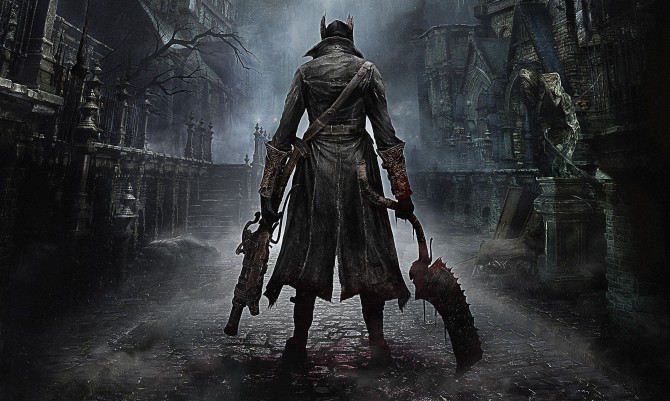
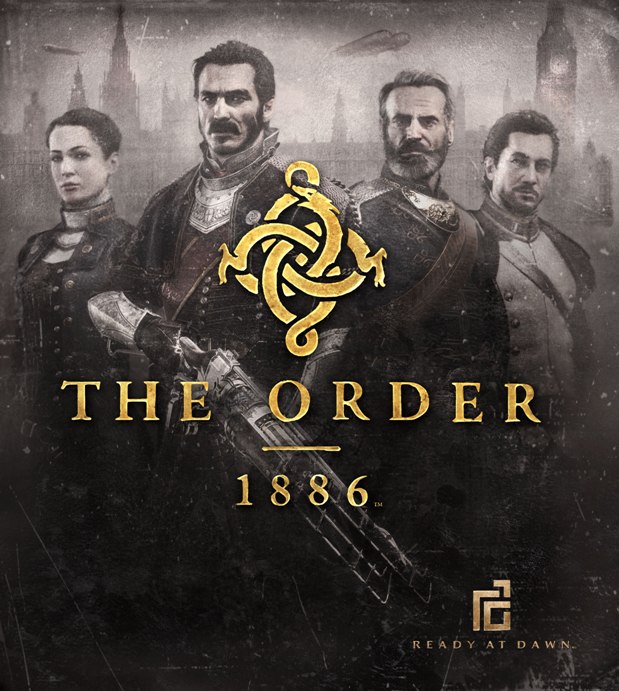
With The Order:1886 being released to mixed to negative reviews, PS4 fans now turn their attention to the next big system exclusive, Bloodborne. The game combines dark and Gothic gameplay with a hack and slash combat system in a richly detailed environment that players can explore as they battle all manner of supernatural creatures and epic Boss monsters. I loved my time with the game at PAX Prime and although it was a challenge, I found it and Until Dawn to be my favorite PS4 games at the show. The fluid motion and brutal close range combat was a real thrill and the ability to sneak in a weapons blast in the midst of the ballet of blades showed just how much bloody fun this game could be.

I also enjoyed climbing ladders, exploring the streets and seeing the detailed city in which the game level was set. It has also been revealed that the game will have dungeon levels that change as you go and will also allow co-op play which will likely make many fans very happy. The Order: 1886 had to endure harsh criticism pre release over perceptions about limited mobility and gameplay freedom, short running time, and a lack of multiplayer. One person compared it to a collection of great collection of movies wrapped around a very short and limited cover based shooter. I am reserving my final verdict on The Order: 1886 until I get more time with the game but I can honestly say I am less then encouraged by all the less than positive reviews for the game to date. Bloodborne on the other hand has basked in a wave of cautious optimism and excitement with hardly any overt concerns being voiced by the gaming masses.

Gamers who found disappointment with The Order: 1886 are likely going to either embrace or be cautious about the latest PS4 exclusive but I do not detect nearly as much trepidation about Bloodborne and fans are eager to let the hardware of their PS4 loose on a game which they believe will showcase the power and versatility of the system. With that being said, and despite which are likely strong sales for The Order: 1886 based on pre-orders, Sony can use a hit game with strong critical approval going into E3 in June as the last thing they need is for their two big 2015 AAA exclusives to be met with bad reviews and worse, discord and disappointment from their fan base as they attempt to build even more momentum from their E3 showcase where all manner of new games will come. Until Dawn and the latest Uncharted game are still looming, but for fans, all eyes have turned towards Bloodborne and the hopes that it will deliver upon its promise.

c3f95378ac39086b7c9903c7a11c30c2

by Chris Pereira

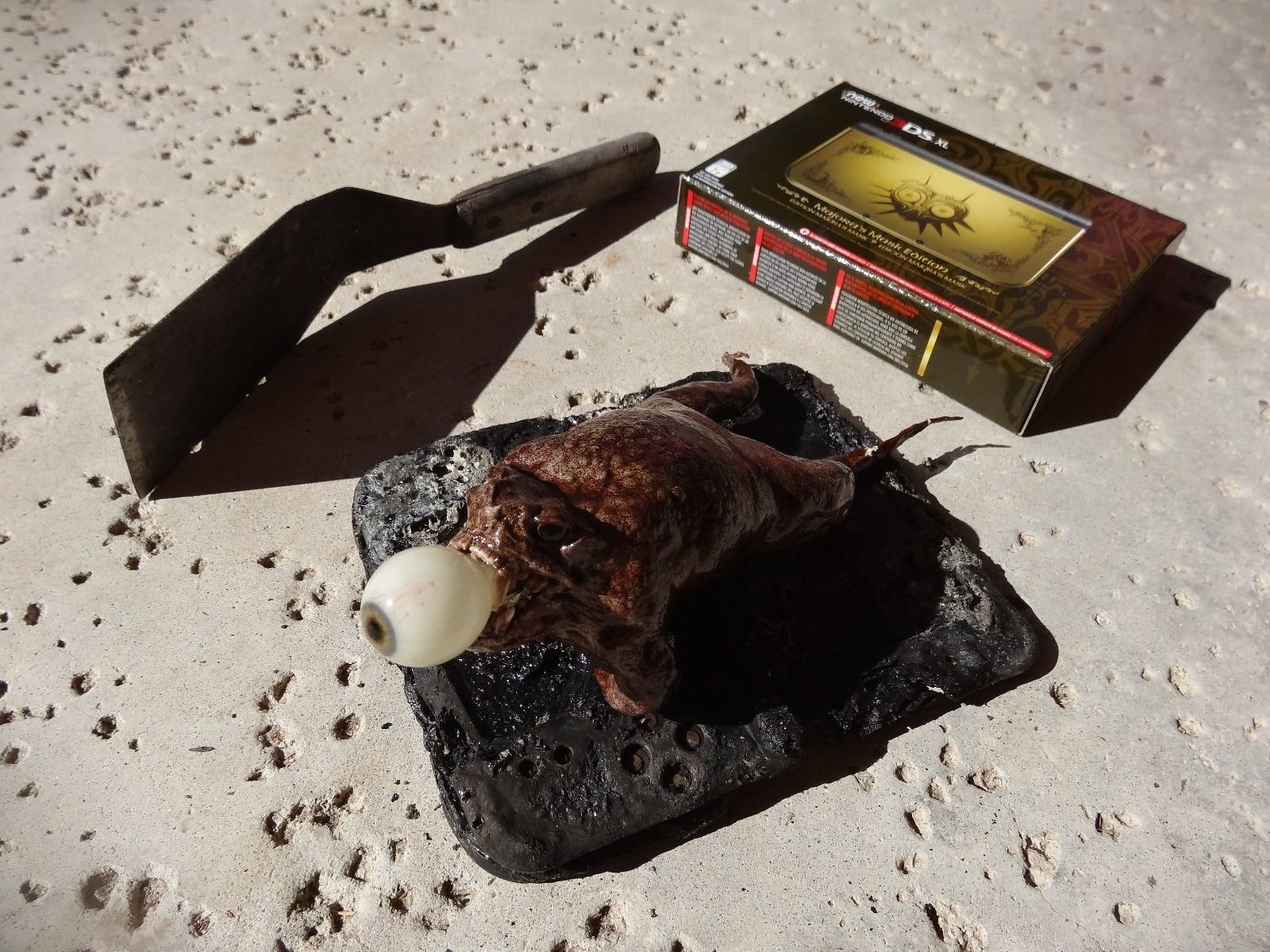
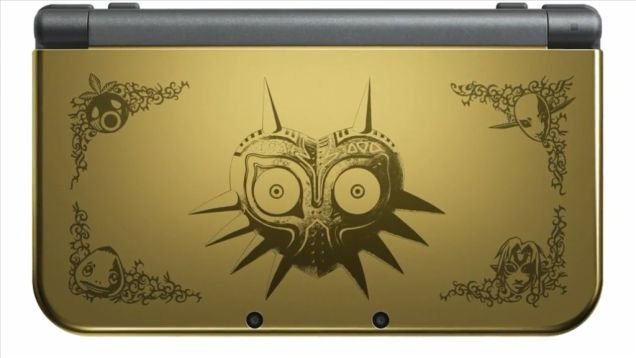
In news that’s sure to infuriate devoted Zelda fans who have failed in their attempts to track down the limited edition Majora’s Mask New 3DS XL, a person has microwaved one of these systems and listed it for sale on eBay.

The disfigured system above can be yours for $11,315, the Buy it Now price set by eBay account perfectlymadebirds. According to the listing, the working system was microwaved “for purposes to CREATE ARTWORK using the microwaving process inside a fully customized microwaving robot shielded enclosure. 1200 Watts of microwaving power was used to microwave the device inside a 2.2 CUFT VINTAGE 1970s-era Whirlpool Microwave BEAST.”

93cc8e5a31e725839452fb2e6a741110

The Majora’s Mask system has been in extremely high demand, quickly selling out in advance of the New 3DS’ North American launch last Friday. Prices have soared on the secondhand market, with a number of systems selling for upwards of $400 on eBay.

That unfortunate situation makes this microwaving look like an elaborate trolling, though this isn’t the only microwaved item the seller is offering: You can also have a melted iPhone 6 Plus or 2DS if you have a few thousand bucks burning a hole in your pocket.

Whether it was an attempt to anger people or not, the reality is that–however few of these Majora’s Mask systems Nintendo produced–there is now one fewer working model in existence.

fbpost

by L.W. Barker aka ‘Sarge’

The first online review for The Order: 1886 has appeared. GamePlane tested the new PS4 exclusive and it seems that Ready At Dawn delivered a great game. The review praises the game’s graphics, story, atmosphere and sound, but criticizes the controls and overwhelming quick time events. Gameplane also noted the almost 11 hours spent to complete the highly re-playable campaign and gave the game an overall review score of 89% which is a ‘Superb’.

Source: https://www.gameplane.de/order-1886-review-das-spiel-das-alle-hassen-wollten/


Confessions of a former gamer

Posted: February 16, 2015 in Opinion Piece

778c93aa2ff45ff336b41df1ca987df2

by Peter Cohen, Mac Managing Editor of iMore

Maddy Myers’ recent column for iMore, A salute to iOS gamers, or how to stop intimidating your non-gamer friends, comes at an interesting time. Because it’s an issue I’ve been wrestling with myself for quite some time.

For almost a decade, I wrote a column for Macworld magazine called “The Game Room,” gently reminding our readers that Macs could be used to play games, and great games at that. Games have always been a central part of what I’ve used computers for. Over the years, I’ve found myself growing increasingly distant from gamer culture.

I’ve played computer and console games since I was a kid in the 1970s. I saw first-hand the rise of the home video game console market, and was part of the early hobbyist personal computer trend. Back in the old days, when we trudged uphill in snow to program BASIC on command lines to play Tic Tac Toe (get off my lawn).

Through many generations of game consoles, I’d be among those who would take time off from work to wait in the wee hours for the first day of sales; I remember doing so for my Sega Dreamcast; I remember excitedly opening my Xbox and my PlayStation 3 the same way. I bred that love for games in my kids, too, and we often used gaming as an excuse to play together, the same way other generations played (and still play) board and card games.

Now I’m in my mid-40s. As I’ve gotten older, my priorities have changed. I don’t have the leisure time I used to, and I don’t have the disposable income I used to. Those two things alone have dramatically affected my ability to get and enjoy games.

The other thing that’s changed is me. I no longer identify myself as a “gamer,” especially compared to my two boys — 19 and 14 respectively. (My daughter, in between the two boys, hasn’t really spent much time gaming.) As I recounted a few weeks ago, the 14 year old actually had me help him build a gaming PC, and the 19 year old spends most of his leisure time playing games with his friends online. Both of them are part of a culture I really don’t identify with anymore, partly because of age, partly because of shifting priorities.

Last year’s “GamerGate” controversy solidified that I wasn’t part of the “hardcore” gaming culture anymore. The violent reaction of a contingent of gamers against others looking for less marginalization struck me as a particularly immature, unacceptable reaction that I wanted no part of.

But mostly it’s about time. More specifically, it’s about how I spend my free time. The funny thing is that I probably spend as much, if not more time playing games now than I did when I was younger. But the way I spend that time is different.

Rather than grabbing hours during nights and weekends to master hardcore action games, in-depth strategy titles and adventure games that take hours to explore, I spend minutes here and there. That lends itself to a lot more play of casual titles, which usually sit on my iPhone or my iPad, rather than the computer.

There’s no question that as the smartphone market has exploded, so has the casual game market. And casual game makers are finding new and innovative ways to grab our attention all the time.

Some of the games I play most frequently are, by the measure of most “serious” gamers, utterly banal: Games like Hay Day, the Farmville-style task management game from the people who make Clash of Clans. But it’s a game I can get in and out of easily while waiting for an appointment to start. Trivia Crack has proven itself to be fun for the same reason: Easy to spend a minute on here or there, collaborative, but not overly demanding of time or resources. Even runners like Yak Dash have found their way onto my phone; fun time-wasters that I can spend a minute or two with here and there, then get out of and not think about again until I’m ready to play.

I still love well-crafted, involved and detailed games, especially ones that make it to the Mac. And I still plan to examine them critically and report on the business, because it’s still of enormous interest to me (and to my readers as well, I presume). But I no longer identify as a gamer the same way I used to. I’ve moved on. And I’m not sure that being a “gamer” even matters anymore, in the scheme of things. Games have become so interwoven into most of our daily experience, aren’t most of us gamers these days?

last-guardian

by Sherif Saed

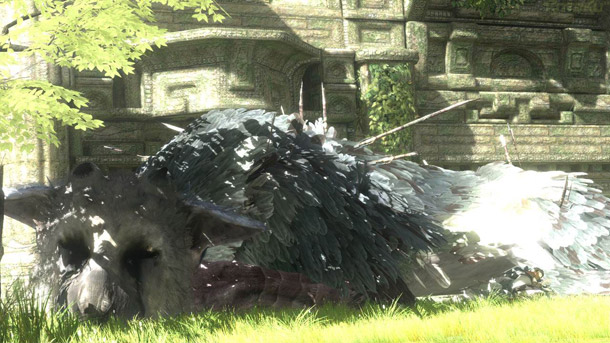
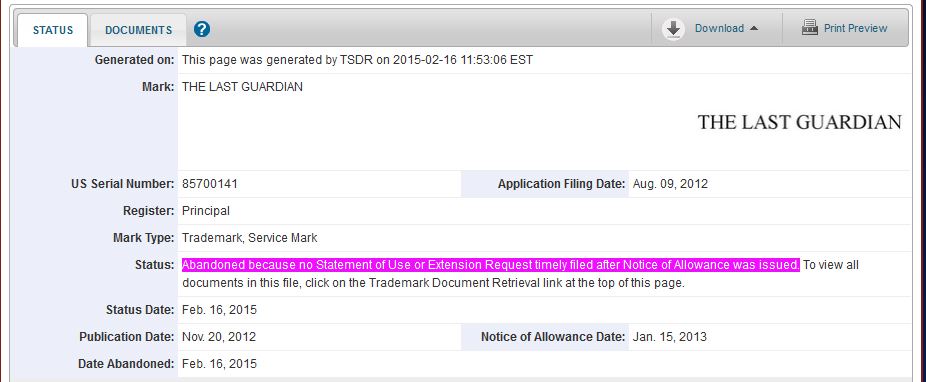
Sony has elected not to renew its trademark for The Last Guardian in the United States.

According to the game’s listing on the website of the office of patent and trademark in the US, Sony has not extended its trademark for The Last Guardian.

The image below is a screen grab of the webpage, serial number 85700141.

the-last-guardian-trademark

It’s important to note that this may still not reflect the status of the game’s development. Sony had abandoned the previous trademark it had for the same game once before (serial number 77750563).

The game could have also been given a new name.

Sony had confirmed all the way back in August last year that the game is still in development.