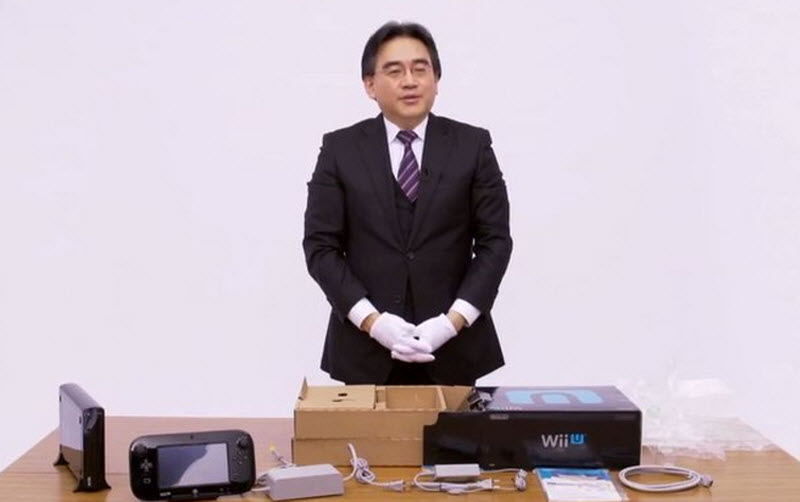
ps4-review-screen-1

by Jacob Siegal

I’ve been up front about my feelings regarding Sony’s disappointing pace for PS4 updates. The Xbox One monthly update schedule is not only impressive, but it also gives gamers a reason to come back and check out new features even when game releases begin to slow down. PS4 owners, on the other hand, have to wait months for any significant updates.

There’s no sign of that changing any time soon, but Sony might be able to at least appease disappointed PS4 owners (like me) by adding a significant new feature in the next update.

Sony recently began inviting PlayStation MVPs to a beta program in order to let them test updates before they go live, similar to what Microsoft has been doing for several months. Over the weekend, one of those MVPs leaked the change log for update 2.50, and it looks like Sony is finally bringing the full-featured Rest Mode to the PS4.

ps4-rest-mode-update

Once the update becomes available, users will be able to keep their game or app running even after putting the console into Rest Mode. This is a feature that Sony has been hyping up since before the console even launched, but if the patch notes are legitimate, it’s right around the corner.

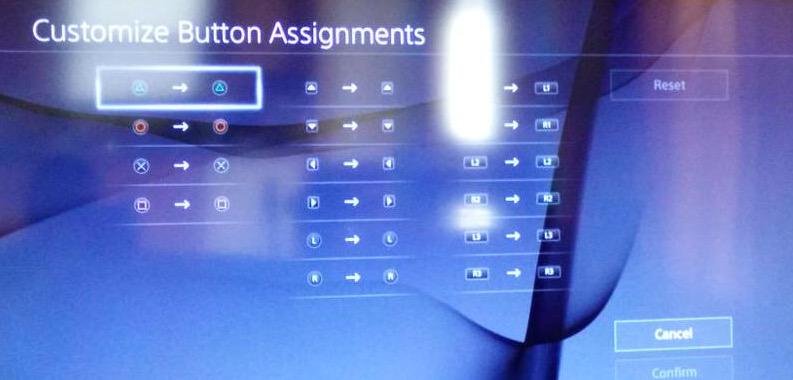
One NeoGAF user also pointed out that button assignments have been added to the Accessibility settings. This is what that will look like:

ps4-buttom-assignments

There’s no confirmed release date for the update, but NeoGAF users with access to the beta expect version 2.50 to go live before the end of April.

by Matt Weinberger

%27Games_were_supposed_to_be-ca3a620a710ccb5efb7ce068a2b3456c

(Brenda Romero / Wikimedia, CC) “There are many people silenced this year” —game developer Brenda Romero. At this week’s Game Developers Conference in San Francisco, a panel of distinguished game developers and critics gathered for a very popular panel, the third annual #1ReasonToBe — as in, “the No. 1 reason to be” a woman who works in games and technology.

The goal of #1ReasonToBe is to focus on the panelists’ accomplishments and amazing experiences.

Last year, the panel reduced the audience to tears before concluding in a standing ovation, and it became the talk of the event.

This year, people lined up before the doors opened, and the crowd filled the large auditorium.

“I hope to do more than just live; I hope to thrive,”  Elizabeth LaPensee said of her experiences as a Native American woman in video games.

It’s a common sentiment lately. The rise of harassment campaigns like the infamous GamerGate movement makes women scared to make games or work in technology at all, and we hear more and more about women who quit technical jobs over it. Those who stay find themselves unwilling or unable to speak up for fear of losing their jobs, or worse.

“There are many people silenced this year,” panel moderator and game developer Brenda Romero said.
 %27Games_were_supposed_to_be-e0ef99bdda27592664501a761de95803

Game developers, designers, and critics discussed their reasons for staying in the industry at GDC 2015. In a powerful segment called the “Empty Chair,” Romero displayed anonymous comments made by people too afraid to speak up publicly, while the room stood completely silent. For example:

  • “Games were supposed to be a fun career choice. Now I’m afraid I’ll get murdered.”
  • “I used to check Twitter for fun. Now it’s fear.”
  • “There isn’t a woman alive who doesn’t have to worry about this.”
  • “I don’t draw attention to my femininity in order to survive as a developer. I disguise it with tomboyish behavior and silliness. I am neither.”

Audience members and panelists alike could be heard crying.

Professor  Constance Steinkuehler of the University of Wisconsin at Madison talked about how she managed to sneak a toy gun from the massively popular game “Portal” into the White House during her time as a policy adviser for President Barack Obama — as well as helping shape the Obama Administration’s policy on video games and gun violence.

“You can play the games that you want to play, and I can play the games I want to play, and that’s called free speech,”  Steinkuehler said. “I can make the games I want to make, and you can’t stop me.”

 %27Games_were_supposed_to_be-c722fe14fbd9de32eb7247b9fade0ae7

Prospective game developers lined up to meet with Wargaming recruiters at GDC 2015. That’s the reason to be in video games, for  Steinkuehler : It’s free speech, pure and simple.

The next panelist, EA creative director Amy Hennig,  discussed her love affair with old-school arcades and the Atari 2600, which eventually faded. She went to film school instead, and her dream was to become a cinematographer. But she was told it was for men only and to find another career.

She never gave up, and she eventually took a job at Atari making a game for its Atari 7800 game console to help pay for her tuition. Though the game wasn’t great, it made her consider a real career, working her way up in the industry, and doing a little bit of design work for EA on classics like “Desert Storm” and not-so-classics like Super Nintendo’s “Michael Jordan: Chaos In The Windy City.”

Her career continues to take off, with stints at major studios like Crystal Dynamics and Naughty Dog. Most recently she led creative direction for the “Uncharted” series, and now she is back at EA working on a “Star Wars” game.

 %27Games_were_supposed_to_be-289fd6a9265d3fdd853de802e7bfbfa5

For Hennig, her main reason to be in the games industry is that it has presented recurring opportunities and rewards for her, thanks to her tenacity.

“These things are not the game industry,” Hennig said of the GamerGate controversy and the harassment it involved. It’s not a man’s world, she said, adding that it was important to fight that perception.

Sela Davis, a software engineer with Microsoft, spoke on her experiences as a child who made games on her ZZT computer who then went to the Rochester Institute of Technology for information technology, only to take a break and go into creative writing and metalsmithing, and eventually a stint at SAP before going back to finish her degree.

“I wasn’t happy in art, and I wasn’t happy in tech,” Davis said of what led her to go back to RIT and learn to really make games.

Her career in games started to take off. Soon, she ran up against impostor syndrome, made much worse by the fact that she was often the only woman in the room. Not feeling as if you fit in with everybody else in the room can eat at your confidence.

Davis’ one reason to be in the games industry was that it needed more people who could feed one another’s energy.

Adriel Wallick, the independent game developer better known as ” MsMinotaur,” also touched on her own experiences with playing games. Video games were her escape when she was lonely, and she used it to bond with friends.

“They let us do lots of things,” Wallick said.

Eventually her interest turned to programming, and she built a rudimentary text adventure. Later in her life, she discovered the independent video game scene, and she started building small projects in between punching the clock at her day job. Soon, she connected with the Boston-based game studio Harmonix. Along the way, she found she got a lot of respect and support and mentorship from the games community.

“It’s allowed me to be a part of all these communities who have made me feel like family,” Wallick said of her No. 1 reason to love the games industry.

Finally, the panel turned to Katherine Cross, a Ph.D. candidate with the City University of New York, where she studies online harassment.

“Boy, have I ever been given a case study,” Cross said, referring to GamerGate, to laughs.

Cross took an academic approach to her presentation: Women are in the industry on paper, working as critics and coders, engineers and economists. The gap in understanding why harassment is a big deal, Cross said, comes because some do not realize the internet is real life, where people do business and present the work that matters to them. That’s why harassment matters, she said, because it interferes with and scares people away from a space that really matters.

When Cross faced with the wrath of GamerGate for discussing the subject publicly, she said, there was only one thing to do: Write about games more. Cue a standing ovation.

And so Cross’ reason to be in games is to be part of a community building new, interesting forms of criticism that tackle issues of sex and race in the gaming world. To create a world in which people understand why the internet and video games matter, and so aren’t threatened by women in the field. Change is being made, bit by bit, by people writing on the frontier.

“I study games because they matter. Because gamers matter,” Cross said.

The overall message is that women are here, playing video games, writing about video games, and making video games; they care about video games as much as any other gaming enthusiast, and they’re not going away just because of a hashtag. In fact, games critic Leigh Alexander announced she was launching a new website called Offworld just for criticism and interviews from and with women and minorities in games.

“I am here to stay, and there’s nowhere else I would rather be,” Cross said.

Once again, the #1ReasonToBe panelists each received a standing ovation.

Source: Business Insider

Photo credit: Matt Weinberger
 

8f6076c2e44bb01125552f1abebe0050

by Eddie Makuch

Lionsgate, the film company behind the blockbuster Hunger Games franchise, has made a major investment in The Walking Dead developer Telltale Games. Terms of the deal were not disclosed, but Lionsgate said the investment was “significant.”

As part of the deal, Lionsgate chief executive Jon Feltheimer will join Telltale’s board of directors.

The Lionsgate-Telltale collaboration will “continue the extension of Lionsgate’s film and television brands into the game space and will bring Lionsgate’s expertise in creating and marketing premium content to Telltale’s unique narrative-driven, storytelling approach to gaming,” both companies said in a statement.

The partnership also means the two can now explore opportunities to co-develop existing and original IP into episodic games and TV, Lionsgate said. No specific projects were announced, however.

“This partnership will accelerate Telltale’s ability to create not only original games, but episodic television series based on our game properties,” Telltale chief executive Kevin Bruner said. “An area at the cutting edge of industry growth.”

“Our partnership with Kevin Bruner and his team at Telltale continues to accelerate our momentum in the game space,” Lionsgate president of interactive ventures Peter Levin added.

“The convergence between premium filmed entertainment brands and original game properties is a natural direction in which to continue diversifying our content business, and Telltale is the perfect partner with whom to explore this dynamic area of growth.”

The announcement of the Telltale-Lionsgate partnership comes just a week after Bruner said in an interview with Digital Trends that games pale in comparison to other forms of media as it relates to mainstream recognition. A game like Middle-earth: Shadow of Mordor, based in the well-known Lord of the Rings universe, achieves only a fraction of the recognition that movies and TV shows get, he said.

“One out of 10 people know what you’re talking about,” Bruner said about Shadow of Mordor. “So the games industry is huge and video games are huge, but storytelling at large–television, films, novels–is way bigger than games.”

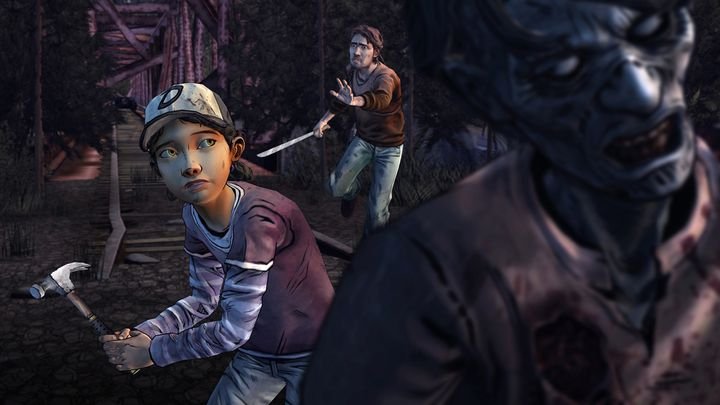
Telltale has a number of in-development projects. These include future installments in the company’s Game of Thrones and Tales from the Borderlands franchise, as well as a third season of The Walking Dead. What’s more, Telltale is working on a Minecraft game, and even has plans for its own original IP.

Mike-Ey

Microsoft “shocked and deeply saddened” by the tragic death of 30-year-old Mike Ey in a hit-and-run accident.

by Eddie Makuch

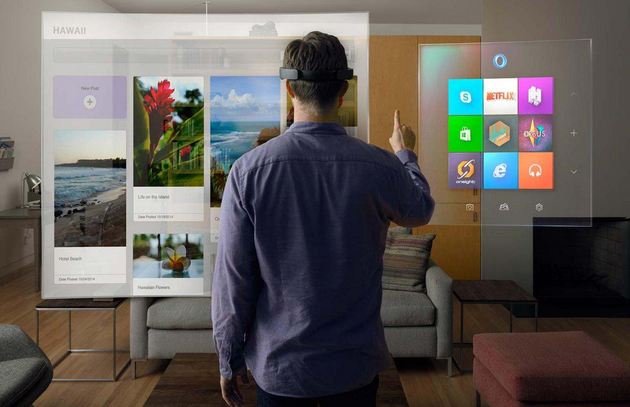
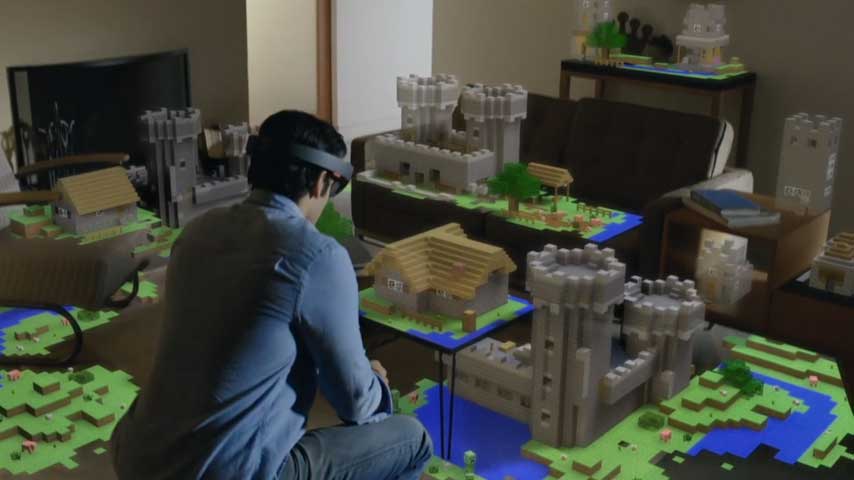
Mike Ey, a 30-year-old Microsoft designer working on the company’s futuristic HoloLens technology, has died in a car accident. On early Saturday morning, he was rear-ended by a hit-and-run driver at 100mph, police say, according to a report from Seattle news site KIRO 7.

Robert Malsch, the person accused of crashing into Ey, was captured by Redmond police (with the help of a tracking dog) after he fled the scene on foot, authorities say. Malsch faces vehicular homicide and hit-and-run charges.

A Microsoft representative said: “We are shocked and deeply saddened by this loss of a wonderful engineer, colleague, and friend. We extend our sympathy to Mike’s friends and loved ones.”

Ey was raised in New Jersey and graduated from Rochester Institute of Technology.

HoloLens, part of Microsoft’s new Windows Holographic platform, was announced during a January Microsoft event.

2823226-holo hololens

Sources say executive planning to exit the company after three years, though Microsoft has yet to comment officially.

by Eddie Makuch

phil_harrison_microsoft

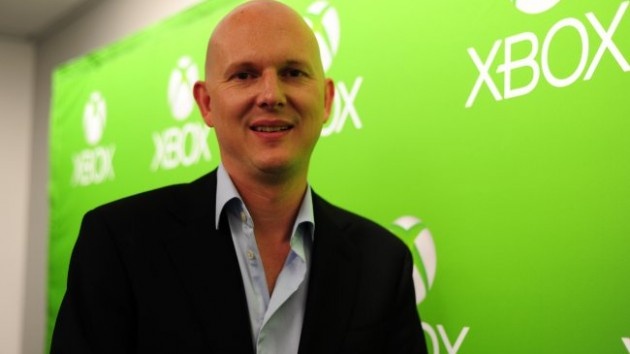
Microsoft corporate vice president Phil Harrison, a senior member of the Xbox leadership team, is planning to leave the company. That’s according to a new report from GamesIndustry International, which cites multiple unnamed sources with the information.

Gamespot contacted Microsoft this evening for further information but the company has yet to respond.

Harrison, a former longtime Sony PlayStation executive, joined Microsoft in 2012. In his role as corporate vice president, he is responsible for leading Microsoft Studios Europe, overseeing UK-based developers such as Lionhead Studios, Soho Productions, and Rare Ltd.

According to GamesIndustry International, Harrison “grew frustrated” when former Xbox boss Don Mattrick left the company in 2013 to join Zynga. Harrison, according to sources, was also frustrated when Phil Spencer’s promotion to Head of Xbox did not lead to a promotion for him.

Finally, the site claims Harrison issued an ultimatum to Microsoft, saying he would leave the company if he was not offered a new, better position.

Rumors of Harrison’s departure from Microsoft come on the same day that GamesIndustry International also reported that Microsoft’s Lift London and Soho Productions would merge. Harrison was instrumental is founding Lift London.

We will have more details on this story as they become available.

b99a19ac108aa4c2a3d95daed99f97fa

by Collin Campbell

Xbox head Phil Spencer used his GDC presentation this morning to talk about Microsoft’s attempts to integrate Windows 10 with its Xbox and tablet businesses.

Spencer announced that Other Ocean’s sports-platformer IDARB will be cross-play enabled for Xbox One and Windows 10 tablets and PC.

The ID@Xbox program for indie developers is being expanded to cover all Microsoft platforms with tools provided for cross-play development. Various ID@Xbox games for Windows 10 are being demoed at GDC.

A wireless adapter for Windows 10 will be released that allows all Xbox One wireless peripherals to work on Windows devices.

A new action MOBA called Gigantic was announced from Motiga. The game will be available for Windows 10 and Xbox One and will be cross-playable between both, with the same account.

Windows PC space trading game Elite: Dangerous “will come to Xbox this summer.”

Spencer also spoke about the Windows Universal App Platform, which allows developers to create the same game across Windows 10, Xbox and HoloLens, adding that he understood that individual platforms would have their own display and input considerations. He said he wanted to see more games working across the different devices.

His talk, very much aimed at developers, also touched on the Windows Store, which will “enable cross-buy and cross use.” That will allow people to buy games on one platform and access them across platforms, but “it’s not something that we will mandate.”

A new Xbox Live SDK is being released to some “early adopter” developers today, with a full rollout of the API set to come out in the next 12 months. A Universal Development Center will act as a central tool hub for bringing games to multiple devices.

He touched on HoloLens and said that holographic APIs would be made available along with new details.

“All of the parts of gaming at Microsoft are coming together to show a complete vision,” said Spencer, adding that the company is committed to deliver services and games across multiple platforms, and not just console. “We are committed to making Windows 10 the best that gamers have ever had.”

 a7b0ffbd21fde2416497c265d42f451e

Windows 10 is Microsoft’s new PC operating system, due to be introduced later this year. It will be freely available for anyone who owns consumer editions of Windows 7 through to Windows 8.1.

Back in January, Microsoft showed the multiplatform-designed Windows 10 on Xbox as well as its Xbox PC gaming app on Windows 10. The company how it planned to allow games like Forza Horizon 2 to stream Xbox One games direct to their local PC and Windows 10-based tablet, and indicated future plans to stream from Windows 10 PCs back to Xbox.

The company also talked about how free-to-play combat adventure Fable Legends will be cross-playable across both platforms. It unveiled the HoloLens augmented and virtual reality system and announced that Cortana, Microsoft’s voice-powered digital assistant, will be baked into Windows 10.

4010a0330a998ecbb4f9ef6c2fac3bd7

by Colin Campbell

Most game players find evil paths in narrative games a big turn-off. Overwhelmingly, they follow “good” paths as the default option.

Statistics presented by Microsoft technical evangelist Amanda Lange at GDC today showed that, in narrative games where “good” and “evil” were clearly defined as story paths, only 5 percent of players opted for “evil” on a first play-through. The number jumped to around 50 percent on a second run.

In her presentation, “Beyond Binary Choices: How Players Engage With Morality,” Lange showed a series of stats based on in-game achievements and path data. In Infamous, for example, 95 percent of players who completed the game reached the “good” ending while the number who saw the “evil” ending was 65 percent, most of whom, she surmised, probably saw it on a second play.

Lange described herself as a player who enjoys the “identity tourism” of experimenting with morality and identity in games. But based on research she conducted via online polls, she found that most players tended toward making in-game choices the way they might in real life.

This raises an important question for creators of narrative games. If players are not attracted to evil paths, what is the point of them as anything other than added content for subsequent play-throughs?

Some of the answers came through her research. Many respondents said that being evil for its own sake is not attractive, that it needs to come with specific rewards or, at least, a level of ambiguity. Players are more likely to “press the red evil button” if they are in situations where they are trying to impress a specific in-game character or faction.

Players will do unspeakable things to NPCs in open-world situations, but in narrative sequences, they are much more squeamish. Notorious examples include the Grand Theft Auto 5 torture scene and the “No Russian” scene in Call of Duty: Modern Warfare 2, during which innocent civilians are gunned down. Many players reported finding these scenes distressing and uncomfortable.

I want to push the evil button and see what happens

She described these examples as good design, in that they achieved a lot of publicity, but they asked players to do things that they hated doing (No Russian was skippable). For Lange, this tendency to turn away from evil in games is strange. “I always play the bad guy,” she said. “I want to push the evil button and see what happens.”

 85f729a2c5241e83bb57a30257058eb9

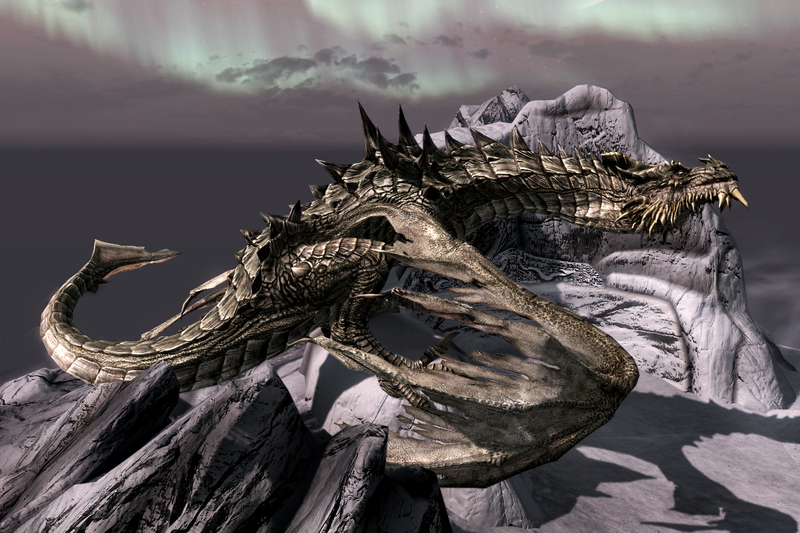
She used Paarthurnax, the good dragon in Skyrim, as an example. She killed the dragon and enjoyed a lot of gated content as a result, but most players did not. The same with Skyrim‘s “Dark Brotherhood” quest, which she said was the best quest in the game, unseen by many players.

So what is the lesson for game designers who create “evil” narrative paths, and want players to experience those stories as viable first-play options? She said that presenting pure evil without context is a bad idea, because most people find the concept off-putting. Adding friction to evil is counter-productive. Evil should come with its own risks and rewards, as it (mostly) does in real life.

“People love to have their emotional boundaries tested,” she concluded, adding that evil paths can create the most interesting moral problems.


mario-kart1

by Paul Tassi

Thirty years after the debut of the NES, Nintendo still finds themselves as a leader in the video game industry. That’s an unprecedented position to be in, as all Nintendo’s rivals have fallen to their might, and stranger still, Nintendo persists in being the “model” example of many of the best practices of the industry.

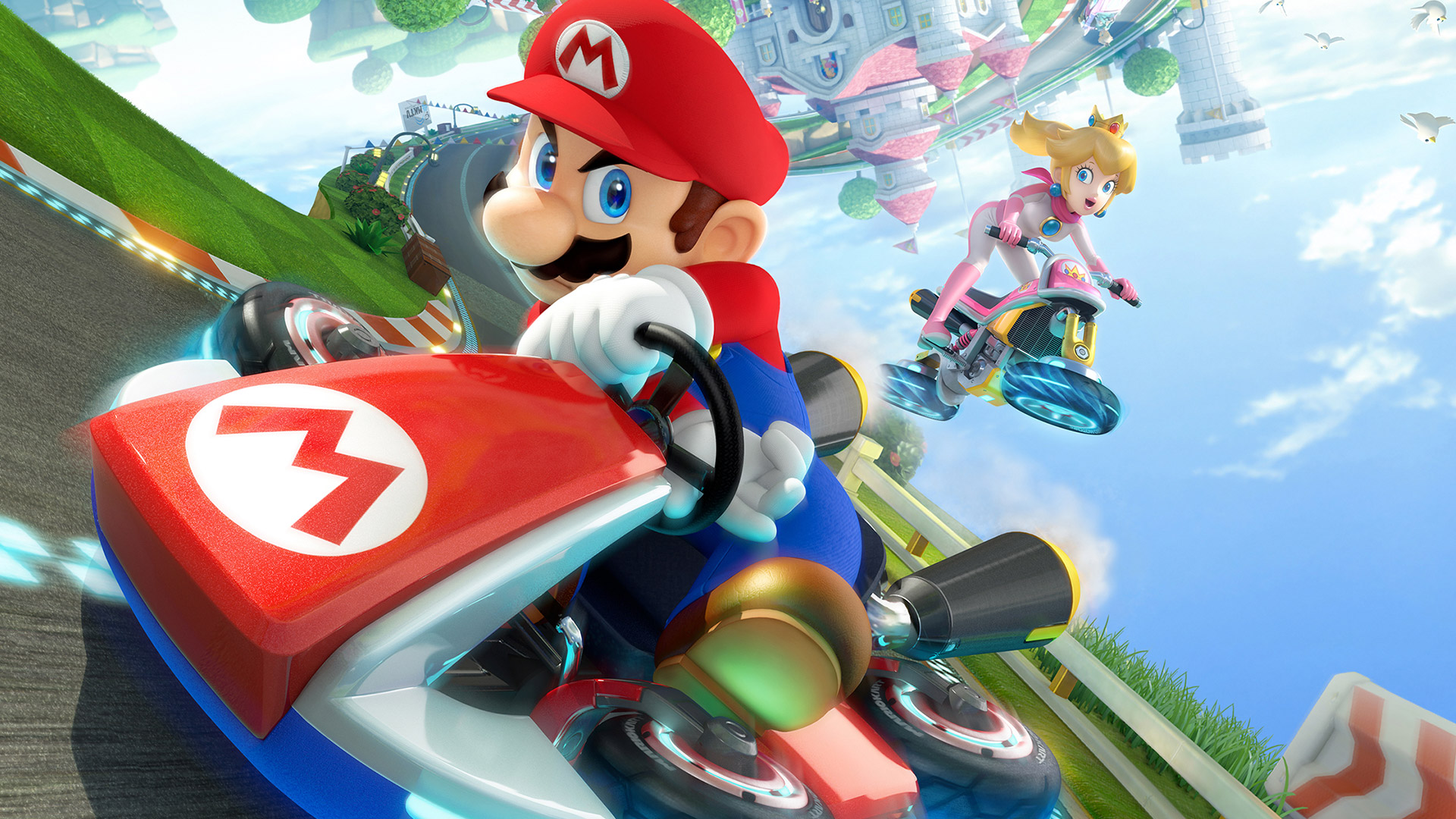
DLC has been a huge topic of debate for years now in the industry, with players constantly feeling overcharged or ripped off for content they expected to be in the game in the first place. Nintendo resisted putting DLC in their games at all for years, but now that they have, they’ve shown everyone else what substantive, fairly-priced DLC should look like. Their packs for Mario Kart 8 and Hyrule Warriors are incredibly well-made and offer a huge host of maps, characters, items and more for a below-average price of around $12. Only Nintendo could take a first crack at something like DLC, and end up knocking it out of the park.

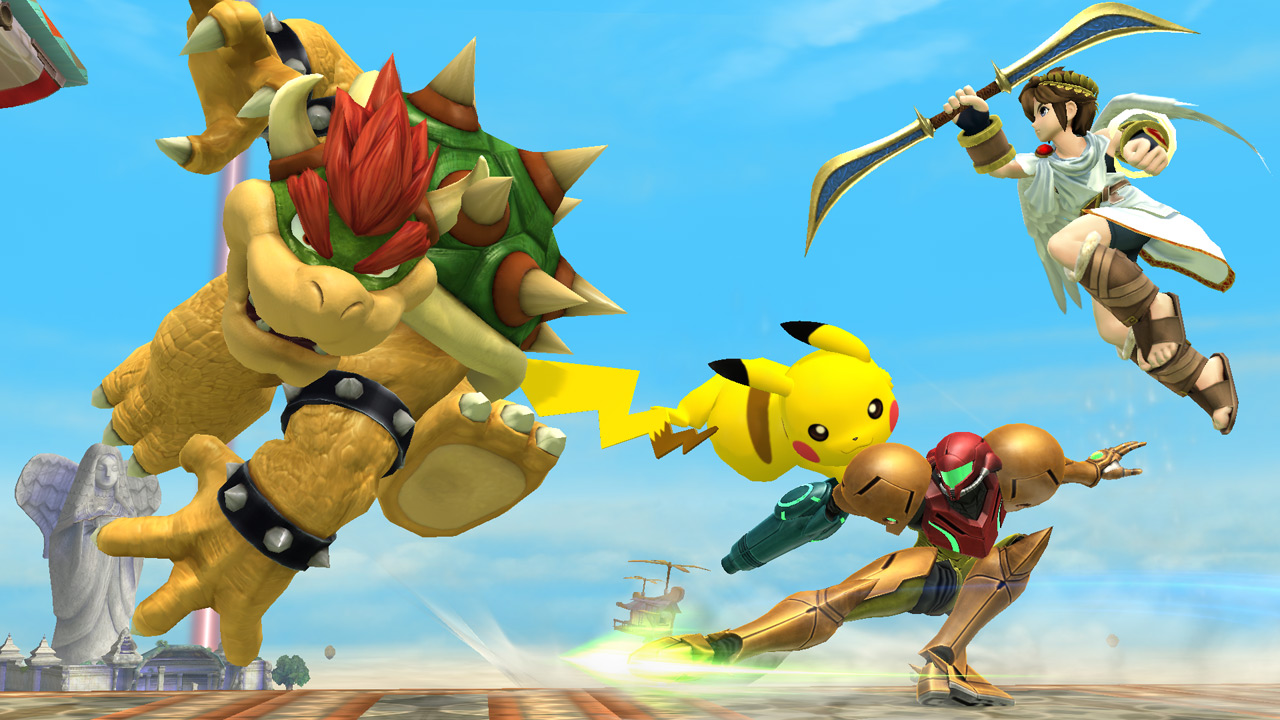
Past that, I recently wrote an article detailing the persistent problem that Microsoft and Sony are both having to deal with in this current console generation. Both the Xbox One and the PS4 have a distinct lack of good exclusive games. The piece was inspired by the recent lackluster release of The Order: 1886 on PS4, but the trend has continued since launch, and includes Xbox One as well. The two systems have precious few worthwhile exclusives, with all their best games being third party releases. Of course, Nintendo is the exception once again, as it dominated 2014 in terms of high quality exclusives from Mario Kart 8 to Super Smash Bros. Wii U to Bayonetta 2. In an age where Sony and Microsoft are losing their footing when it comes to first party hits, Nintendo is as strong as ever.

And lastly, yesterday I published a lengthy piece detailing the struggle to get AAA game pricing down to $40 for shorter games like multiplayer-only Evolve and single player-only The Order. I said that right now that $40 price point doesn’t really exist, and then I was promptly corrected when readers reminded me that Nintendo prices some console games at $40, and most of their 3DS games are that price as well. Nintendo even has mastered nuances of the industry I didn’t even know about.

All this is to say that Nintendo has the potential to be in a dominating position in the market, and yet as we all know, they’re lagging far behind. They constantly miss their sales projections, and now the Wii U is officially the slowest selling major Nintendo console of all time. With so much going for them, the world would seem to be Nintendo’s, but what’s preventing them from taking the crown?

smash-bros

If I had to sum up Nintendo’s central problem in one idea, it’s that they are failing to modernize. That manifests itself in a few different ways, all of which are bringing the company down as a whole.

Many of the minor ways Nintendo resists modernization are evident recently, like how a lack of a unified account system makes transferring games between systems cumbersome for Nintendo fans. Or how Nintendo’s apparent fear and misunderstanding of YouTube has caused them to try and negotiate a contract with video content creators that’s far more controlling and overreaching than any other in the industry.

But above all else, Nintendo’s failure to modernize comes down to a much more tangible problem, their hardware. It’s why the Wii U has struggled so much as of late, and before that, why the Wii burned so many bridges, despite being a worldwide phenomenon among non-gamers.

Though Nintendo has never relied much on multiplatform third party support for games, and have been content to let their own games be their brightest sales stars, times have changed. Though Nintendo still makes great games, so do third party publishers. The problem is that Nintendo has now gotten to a point where they practically have no third party support at all. After anemic sales on the Wii and then the Wii U, many of the biggest developers have abandoned Nintendo entirely. Worldwide hits like Activision’s Call of Duty and EA’s Madden are no longer released for the Wii U. Ubisoft, after disappointments like ZombiU and hardships like the Wii U port of Watch Dogs, has announced that they will no longer make “adult” games for the system. That was demonstrated this year as they released both a new-gen Assassin’s Creed (Unity) and a last-gen one (Rogue) and somehow neither came out for the Wii U.

All the biggest third party hits of 2014 were nowhere to be found on the Wii U, from Dragon Age to Far Cry to Mordor to Destiny. Sony and Microsoft may not have produced more than one memorable exclusive each during the year, but both of them had the distinct advantage of having all these games in their roster while Nintendo had none.

All of this comes down to their hardware, both in terms of power and concept. Nintendo has struggle painfully getting their hardware to match whatever the current standard is set by their console rivals. They previously bemoaned trying to make the leap to HD in an era where their competitors had crossed that bridge years earlier. The result was the Wii with last-gen capabilities in the era of the Xbox 360 and PS3, and now we have Nintendo finally catching up to those systems, but now once again the industry have moved on to the Xbox One and PS4.

Every time this issues comes up, fans will bemoan the fact that “better graphics don’t make better games.” That’s largely true, and yet that isn’t the issue here at all. By designing a system without the capability to play these modern games that use more powerful engines, Nintendo is slamming the door in the faces of countless hit titles. Combine that with Nintendo’s recent need to have some sort of gameplay gimmick as a core part of their new systems, either the Wiimote waggle or now the Gamepad’s second screen, and developing for them is just too exhausting to bother with. Many developers learned that the hard way for the Wii, a huge-selling console, and now they’re far less motivated to even try for the Wii U, which has only sold a fraction of the amount of its predecessor.

destiny-dark-below42

But this is what’s so frustrating about the situation. If Nintendo could field a truly modern console, they could run the table on the Xbox One and PS4. They have far and away the best first party exclusive line-up out there, including 2-4 of the best games of the year in any given year. They would be an absolute powerhouse if they had access to the other seven games that make up yearly top ten lists. And yet, their inability or lack of desire to keep up technologically with their competition has made them fall far behind instead.

So what to do? Ignoring the much-hated suggestion of Nintendo getting out of hardware entirely and focusing on games, they need to produce a console that catches up or surpasses the current generation in terms of power, during that generation, not afterward. They need to allow their games to be played with a normal controller, and not invent a new gimmick as the focal point of the system, only to end up rarely using it at all.

Though this would have been great advice four years ago, I have to wonder if it’s even possible now. It does seem likely that Nintendo will be the next of the big three to come out with new console hardware, given that the Wii U is older than the other two and Nintendo has already admitted they’re working on something new. And yet, it’s hard to know if A) they’re up to the challenge of making the kind of system they need to and B) if a mid-generation release would be a hit or a disaster.

For a decade now, Nintendo has shown that they just do not have the capacity to match the technical capabilities of their competition for whatever reason. It’s hard to understand how at this point they could just flip some magic switch and produce a console to rival the PS4/One. If they do, it seems like it would take long enough to develop that by the time it does come out, the cycle has begun again.

Secondly, if Nintendo did release a new console, a powerful one, in the next three years or so, how would it sell? Existing Wii U owners may be dismayed they have to upgrade to another Nintendo system already, and current Xbox One and PS4 owners will have already made their choice for the console generation, as only a fraction of the market owns more than one major console given their high cost. Nintendo would be debuting a new console in the middle of a generation that’s already saturated with consoles, and years out, would probably have lower price points to boot compared to a brand new Nintendo system.

wii-u2

But if Nintendo is to stay in the hardware game, this seems like the only plausible way forward for them. Despite Zelda and Starfox supposedly coming in the next year or two, the biggest games of any Nintendo generation, Mario Kart and Smash Bros, have already come and gone. The Wii U will continue to feel more and more dated as time goes on, and it’s hard to imagine a resurgence for it. Recently Nintendo executive have said that “one great game” could save the system, pointing to how Pokémon extended the life of the Game Boy for years, but it’s hard to bank on Nintendo pulling that same rabbit out of the hate twice. Ironically, the only game I can see doing that would be a fully-fledged console Pokémon RPG, something Nintendo seems determined never to make for reasons that forever elude me.

It’s a frustrating situation because Nintendo does so much right in the industry right now, and it’s maddening to see that their biggest problem is their inability to make a modern console that can play the kind of third party games that Nintendo needs to bolster their roster and better their market position. But all the solutions seem like hard, if not impossible answers. Nintendo has survived a good long while now, but their decisions about what comes next for them are going to be incredibly important if they want to remain a fixture in the industry for decades to come.

0dc51fd523a6597b082679d30eb86d0b

by Emily Gera

Blizzard has released a new patch to World of Warcraft which finally fixes an ancient bug that has irritated its users for years.

In Update 6.1 you’ll find a few new features including a selfie cam, racing and new blood elf character models. But Blizzard has also tackled an older issue: A problematic bug that caused your camera to quickly jolt out of position when the user clicks the screen to smoothly move the angle of the camera.

This is described by Reddit user ZwuckeL who explains: “On random occasions WoW will center your mouse cursor for a split second when you either right or left click. Since the mouse button is often registered as clicked at that very split second, it will move the camera around in a weird way.”

While not a game-breaking bug, this issue did cause problems for players by turning their characters around randomly and causing mis-targeting.

Full patch notes are available right over here.

Destiny_Xur_1280-1413575895041_0_0

by Dave Tach

A seemingly remorseless 17-year-old friend of a friend is responsible for deceiving a fifth-grader and deleting two high-level Destiny characters, Game Informer reports, based on interviews with one of the victim’s mothers and the perpetrator.

And the bad actor admits to doing the same thing in a Grand Theft Auto game, too.

“I’ve done it multiple times,” he said. “I think three? Four? I thought it would be funny.”

Late last week, the griefer exploited his power when the 11-year-old turned over control of his console using the PlayStation 4’s Share Play feature. That allows PS4 users to give control of their systems to third-parties over the internet. Sony advertised the feature as helpful, like in a theoretical situation in which someone got you through a particularly difficult part of a game.

The fifth-grader believed the friend of a friend would show him a trick for leveling up his Destiny characters. Instead, the malefactor deleted a level 31 Warlock and a level 26 Titan, leaving only a level 23 Hunter before the middle-schooler realized what was happening and cut the power to his PS4.

A player whose PlayStation Network ID was seen in the video was on the receiving end of attacks after the child’s mother posted a video of the incident on YouTube; he claims that he didn’t do it. According to his mother, the perpetrator was in the home, visiting another of the 11 children who live there, when he took control of the PS4 account blamed for the attack. She claims to have tracked down the culprit through a series of posts on the Bungie.net forums, and hopes this information will put the situation to rest.

Told of the viral nature of the video chronicling the incident and the attacks on another gamer whose account appeared in the video, Game Informer asked the miscreant if he’d do it again.

“It depends on the situation,” he said. “Maybe. Maybe not.”

He doesn’t believe he has “to say anything” to the injured party’s family, and his advice for those suffering after the attack did not ooze sympathy.

“Suck it up and move on with life,” he said. “What else is there to say?”

Last week, the victim’s mother said she contacted Destiny developer Bungie, who said it was unable to reverse the deletion.

“Please be careful out there, kids,” a post on Bungie.net last week referencing the incident reads. “Bungie has some ideas for how we can make regrettable deletions like these less permanent. While we plan the right course of action (and build out new game features), protect your Guardians from sleazy online jerks — or dogs that step on your controller.”