Archive for the ‘Game Articles’ Category

PlayStation-5-PS5-1

by Christopher Morris

Sony and Microsoft are already planning for their next generation consoles

The current console generation (or is it the next generation?!) is not yet eighteen month old, yet already many video games fans are looking to the PS5 and Xbox Two. There are a variety of reasons for this, but one of the most prominent is that the existing video games systems have perhaps been a little underwhelming.

It is a bit harsh to describe the PlayStation 4 in particular in this way, as it is essentially a very solid video games system which has already delivered some excellent titles. Sony Corporation will undoubtedly be satisfied with the commercial performance of the PS4 in the video games marketplace, but yet hardcore gamers are not entirely satisfied with it.

The fast moving PC market means that both the PS4 and Xbox One are already falling behind, and despite the fact that both Sony and Microsoft Corporation are currently working on virtual reality systems, there are question marks over whether the existing console technology will be able to deal with it.

Evolving model

Additionally, the whole video gaming model is changing. The inordinate popularity of smartphones has contributed to this, as casual gamers would rather play titles such as Flappy Bird and Angry Birds on iPhones and Android-enabled devices.

And the time when cloud-based gaming renders the console obsolete may not be a million miles away. Although we are likely to see at least one more generation of video games consoles, both Sony and Microsoft are already investigating the prospect of gaming in the cloud in this generation, and it could be that the PlayStation 5 and Xbox Two will be centred around this concept.

While both the PlayStation 4 and Xbox One have delivered some visually impressive titles, there is also the feeling that nothing which has appeared on the systems as of yet is truly next generation. The Last of Us and Grand Theft Auto 5 in particular are exceptional games which look beautiful on the next-generation consoles, but they are nothing more than upgrades of previous generation titles.

In terms of delivering a truly unique and revolutionary experience, it is doubtful whether either the PS4 or Xbox One can deliver. With this in mind, virtual reality is extremely important for the industry. Already analysts’ predictions are that the PlayStation 4 will sell around 80 million units in this generation. These are pretty good figures for Sony, but when one considers that this is just over half the number of PlayStation 2 units which we shifted, it is evident that consoles need to deliver something truly groundbreaking if they are to reclaim their market share. Or even retain it.

PlayStation-5-PS5-2

VR critical

So the first element of the PlayStation 5 and Xbox Two which will be important is outstanding support for VR gaming, which will also necessitate hugely increased specifications, processing power and improved graphics chips. Many analysts, observers and even video game fans believe that both Sony and Microsoft were pretty cautious when making decisions about the internal components of the PS4 and Xbox Two. And given that the consoles are already falling behind the PC market in terms of capabilities, it is clear that by the time this console generation ends that this will be a major issue.

It is not surprising then that the existing consoles will have a much shorter shelf life than previous iterations of the PlayStation and Xbox series. We will probably see the PlayStation 5 and Xbox Two by the end of this decade, whereas previous Sony and Microsoft consoles have had a natural life of 10 years or more.

Attempting to solve the short lifespan of consoles in the existing gaming landscape may take some radical action from Sony and Microsoft. As mentioned previously, it is extremely likely that both corporations will place a greater emphasis on streaming technology with their future consoles. While the demise of physical media has been predicted continually, and indeed incorrectly, for some years, it is not beyond the realm of possibility that the PlayStation 4 an Xbox One could be the last mainstream video games consoles to include discs.

Even if this is not the case, by the end of the decade broadband speeds should have improved considerably, and streaming services for contemporary games could become feasible. This would prevent consoles dating as quickly as they do at present to a certain extent, although it must be said at the moment that the cloud-based gaming model certainly needs to develop somewhat before it becomes truly viable.

Xbox-Two-1

PS5 and Xbox Two to focus on 4K

Another aspect which PS5 and Xbox Two will need to deliver on is 4K resolution. This will be another area where the existing consoles are going to be left behind pretty rapidly. Although both consoles have the capability to display content in 4K, the chances of either of them running modern games in this resolution are absolutely zero. The Xbox One has actually struggled to deliver 1080p gaming, and although the Sony machine is the more powerful of the two, there is no way that it can support 4K gaming.

This will be critical in the coming years, as we are already seeing 4K resolution becoming a mainstream technology. There is speculation that Samsung Electronics Co., Ltd. or LG Electronics Inc. will release the first 4K mass-market smartphone this year, and Apple Inc. has already unveiled the 5K resolution Retina iMac.

Xbox-Two-2

Next-gen challenges

Undoubtedly Sony nailed the ethos behind its existing console, got the branding spot on, and placed the PS4 in an attractive context for gamers. And it is equally unquestionable that Microsoft completely misjudged the market and made numerous PR blunders with the Xbox One. But the job of designing, delivering and marketing the next generation of video games consoles will be far more complicated.

Not only will the PS5 and Xbox Two need to embrace technology which has not been fully developed yet, and which is well beyond the capabilities of existing Sony and Microsoft consoles, but they will also have to compete in a world in which the video games market is diversifying. Competition from other devices, and the expiration of the model in which consoles have operated since they first appeared on the market means that Sony and Microsoft will have two deliver outstanding PS5 and Xbox Two consoles, as well as accurately gauging the market and consumer expectation.

150218_GAME_ThisWarOfMine_jpg_CROP_promo-mediumlarge

This War of Mine shifts the focus of war games from the shooters to the civilians caught in the crossfire.

by Laura Hudson

The appetite for games about war is immense. From Call of Duty to Battlefield, videogames set during violent conflicts—particularly shooting games—are some of the most popular and lucrative in the world. But the experience of war they offer tends to be notably narrow, focused almost exclusively on one perspective: how it feels to be a powerful man with a gun.

This War of Mine, a survival game created by Polish developer 11 Bit Studios, shifts that focus profoundly. Rather than offering the pseudo-heroic thrill of rampaging around a city wielding heavy weaponry, This War of Mine focuses on the people who usually end up as background characters or collateral damage in most war games: civilians trying to survive the chaos and violence around them.

You begin the game by selecting a group of two to four people, each with his or her own backstory—teacher, warehouse worker, celebrity chef—and specialized skills. As a violent siege of unspecified origin rages in the fictional Eastern European city of Pogoren, you find your survivors huddled in a dilapidated house, the faint sound of automatic weapons echoing in the distance.

There are two primary cycles, day and night. After the sun goes down, your survivors can sleep, stay up to guard against thieves, or head out to scavenge for materials, perhaps becoming thieves themselves. The daylight hours are spent inside, where snipers can’t find you; if you’re lucky enough to have supplies, you can board up windows to protect against looters, make food, or build the beds, stoves, and vegetable gardens that will keep you warm, fed, and alive.

On leaner days, there’s nothing to do except watch the hours tick by as the survivors mill about, anxiously smoking cigarettes. (You can push a button and skip to the evening, but then you might miss something important, like a neighbor or trader knocking on your door.) It takes about 10 minutes for a “day” to pass, time spent idle in a way that feels unusual in a video game. The silence is the hardest part about the waiting; I’d often have one of the characters turn on a radio and listen to classical music, the broadcasts punctuated occasionally by the nearby sound of shelling. It’s a strange feeling, this sort of waiting, not only because you don’t always know what’s coming next but because there’s a very good chance it could be something worse.

Although the game is based partially on the Siege of Sarajevo, 11 Bit creative director Michal Drozdowski emphasized in an interview that it’s not meant to depict any specific historical event but rather the broader experiences of civilians during war. “It’s about many modern conflicts,” he said. “Warsaw was heavily destroyed during World War II and most of us have grandmothers, grandfathers who saw and remember the face of war.”

The most difficult part of the game isn’t evading armed thugs but the moral choices you make about how far you’re willing to go to get the things you need. The decisions seem easy, at first, but as your supplies start to dwindle and your shivering, half-starved survivors start succumbing to illness or death, the ethics of stealing and violence start to seem a lot more ambiguous. War has a way of wearing you down. “When you’re a civilian and war breaks out, you need to defend your family and friends,” Drozdowski said. “Your beliefs and opinions are not important. That’s what This War of Mine is about.”

One of the most disturbing moral dilemmas involves a location known as the Quiet House, where you find an elderly couple living relatively untouched by the war. The house is full of food and medicine—two of the most valuable commodities in the game—and you can steal as much of it as you like without any resistance. The couple is helpless; they can’t lift a finger to stop you from taking everything they have, and certainly not from committing violence against them if you want to.

Unlike the more war-torn areas you encounter, the Quiet House feels like a small pocket of civilization, and violating it feels far more disturbing. “Oh please, we need that. Have a heart!” pleaded the old man as my character strode through their charming home, rifling through their cabinets. I realized that I must look exactly like the armed thugs who had tried to storm my own shelter so many times.
150220_GAME_QuietHouse_jpg_CROP_promovar-mediumlarge

Drozdowski told me the Quiet House scenario has provoked some of the most interesting responses from players. During playtesting, they watched as one woman initially decided to steal all the food in the elderly couple’s house but later regretted the decision. She returned to the house and put half the food back in the cupboards, so the couple wouldn’t be left to starve.

This spontaneous act helped inspire the 11 Bit team to create emotional consequences for ethical decisions within the game itself. Help out your neighbors when they come knocking, and your survivors will feel happier. Steal or commit violence, particularly against unarmed civilians, and your survivors will react with everything from sadness to a complete emotional breakdown. Regardless, it’s a mark of success that This War of Mine doesn’t actually need to reward or punish you with in-game consequences to make its moral decisions feel meaningful; the act of simply making the choices—and living with them—feels like reward or punishment enough.

Although I managed to avoid committing any serious acts of violence my first time through the game, I later read several strategy guides that explained how to take out the armed rivals you encounter and claim their stashes for your own. When I played through a second time, I decided to try attacking some of the militants I’d avoided. After all, I’d killed opponents for power-ups a thousand times in other video games. Maybe things would have been a lot easier if I’d just been more aggressive.

The next time I found a building full of resources and an armed sentry told me to get lost, I hit her with a crowbar. She didn’t die easily; it took four or five swings to finally kill her as she tried desperately to flee. As I headed off to loot the building, a man walked in from another room and discovered her body. He was her friend, and he reacted with grief and rage, screaming her name and running from room to room in search of her killer—in search of me. I ended up bolting for the exit before I had a chance to take anything. I had murdered her for absolutely nothing.

After my character made it safely back to our shelter, I closed my laptop and stopped playing for the night, a sick feeling in my stomach. Nothing about this was easy. This War of Mine might not be fun, in the traditional sense, but it’s deeply engaging for a reason that feels diametrically opposed to most war games: empathy. Although the game occasionally compels you to do terrible things, it also pushes you to feel the human impact of those choices on your own characters and on others. In most war games, life is cheap and killing is easy; in This War of Mine, taking a life tends to be expensive—it exacts a terrible price.

The scene that haunted me the most, however, took place in an abandoned supermarket. Shortly after I arrived, playing as a young woman named Katia, I peered through a crack in a door and saw a soldier accosting a girl; the encounter escalated quickly from creepy comments to a demand for sexual favors at gunpoint. I wasn’t sure what to do. I’d just started playing the game, and I didn’t know even how to fight, or whether I was strong enough to take on the soldier as an unarmed woman. Like anyone facing a difficult, potentially violent situation, I had no idea what would happen.

And so I did nothing as the soldier forced the girl into a nearby shed and locked the door. Later, as I guiltily crept back to my safe house with my looted goods, I swore that when I played through the next time, I’d do things differently; I’d be better prepared. But call it whatever you want: In the end, I didn’t intervene because I was afraid.

That uncertainty is something the developers wanted to provoke, and it’s the reason you can’t save or restore your game, or why you can’t start more than one game at once. “In reality you cannot live two lives at once,” said 11 Bit art director Przemek Marszal. “In This War of Mine there is no tutorial, because when war breaks out, there is no tutorial of people telling you what do to survive and save your family. You’re just on your own.”

Although you often make decisions blind, it doesn’t stop them from haunting you—either inside the game or outside of it. After Katia returned home from the supermarket, she seemed distraught, and talked about what had happened to the girl for days. But I remained true to my word. When I played the game through a second time, I went back to the supermarket, this time as a burly man named Bruno who was armed with a knife. I was ready, I thought. This time I’d do the right thing. When the moment came, I intervened to save the girl, struggling with the soldier as she ran for the exit. The soldier slipped out of my grasp and shot me to death. A Polaroid picture of Bruno’s corpse appeared on the screen. He died a hero, I suppose, although it didn’t feel like it. It just felt like he was dead.

Without a third pair of hands to help out during the bitterly cold winter, my other two survivors had to work even harder, with illness and exhaustion as their constant companions. One of them developed a serious illness, and with no medicine or time to rest, she soon died. Maybe saving that girl was a mistake, said a voice in my head as I watched my final survivor slowly starve to death, snow drifting softly behind the abandoned house. The game didn’t offer any answers. I didn’t have any either.

c3f95378ac39086b7c9903c7a11c30c2

by Chris Pereira

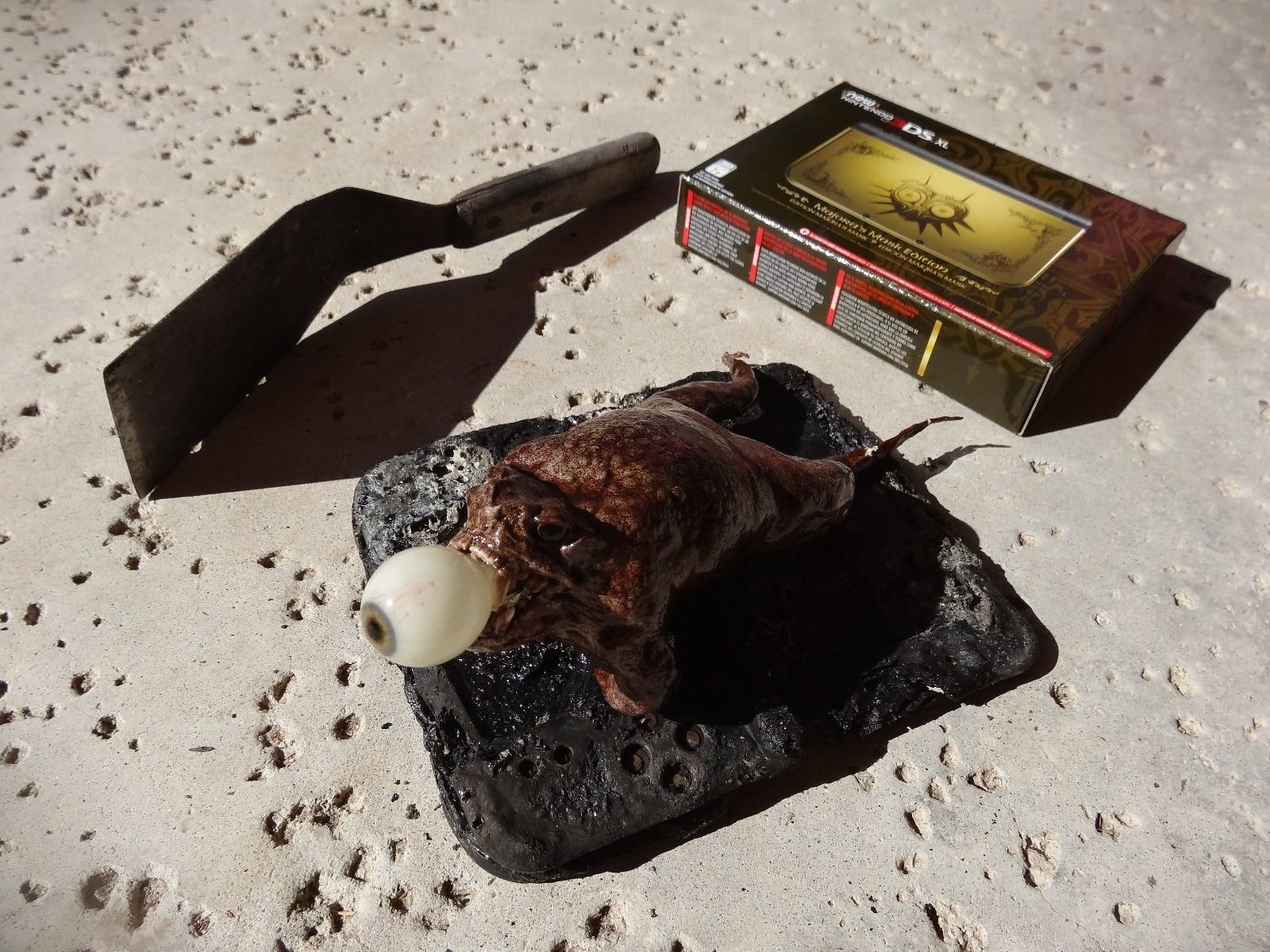
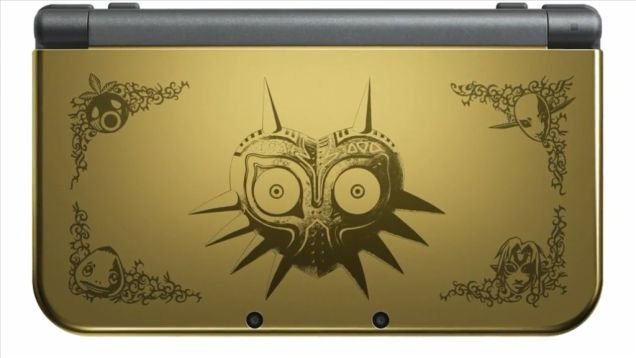
In news that’s sure to infuriate devoted Zelda fans who have failed in their attempts to track down the limited edition Majora’s Mask New 3DS XL, a person has microwaved one of these systems and listed it for sale on eBay.

The disfigured system above can be yours for $11,315, the Buy it Now price set by eBay account perfectlymadebirds. According to the listing, the working system was microwaved “for purposes to CREATE ARTWORK using the microwaving process inside a fully customized microwaving robot shielded enclosure. 1200 Watts of microwaving power was used to microwave the device inside a 2.2 CUFT VINTAGE 1970s-era Whirlpool Microwave BEAST.”

93cc8e5a31e725839452fb2e6a741110

The Majora’s Mask system has been in extremely high demand, quickly selling out in advance of the New 3DS’ North American launch last Friday. Prices have soared on the secondhand market, with a number of systems selling for upwards of $400 on eBay.

That unfortunate situation makes this microwaving look like an elaborate trolling, though this isn’t the only microwaved item the seller is offering: You can also have a melted iPhone 6 Plus or 2DS if you have a few thousand bucks burning a hole in your pocket.

Whether it was an attempt to anger people or not, the reality is that–however few of these Majora’s Mask systems Nintendo produced–there is now one fewer working model in existence.

The-Order_-1886-PS4-1

by Wesley Yin-Poole

For Ready at Dawn, developer of PlayStation 4 exclusive The Order: 1886, it’s a matter of quality, not quantity.

Over the weekend a YouTuber called PlayMeThrough uploaded the entire game, including cutscenes, to the video site. Adding up the length of each video we get five hours and 30 minutes.

Last week I had a chat with Ru Weerasuriya, founder, CEO and creative director of Ready at Dawn, to discuss The Order’s length after a previous report indicated it could be completed in just a few hours.

“I know there are numbers out there,” he said. “I know why the question comes up. I know numbers have been put out there that are actually not right. It’s impossible to finish the game in that time, so we know the numbers are wrong.

“At the end of the day, we’re not going to comment on it. We can’t stop people from writing the things they do. And we’re not going to jump at every single mistake that is made out there. Every time somebody has the wrong impression of something we made, or somebody writes the wrong thing about what we did, it would be a full-time job to be like, oh no, that’s not right. We make games. We do what we do for the players. And, ultimately, that’s where I want to leave it.”

While Weerasuriya denied The Order, which leans heavily on interactive cutscenes and quick-time events as it blends third-person shooting, exploration and puzzle-solving with in-engine cinematics, can be completed in just a few hours, it is clear the game won’t be considered long by anyone’s standards.

The-Order-1886-2

But how long, exactly, had Ready at Dawn’s tests shown The Order to be? Weerasuriya wouldn’t reveal the average playthrough time, but he was willing to enter into the debate about it.

“Game length is important,” he said. “Every game has to take its own time to tell its story. Some games can be short. Some games can be long. I still remember the first time I picked up Modern Warfare, I finished the campaign in about three-and-a-half or four hours. And it was fun because they made that campaign work for that because they had something else.

“Any of these games need to pack in what it needs to to deliver the experience you were hoping to deliver when you first tackled it. For us that meant, it’s not going to be a short game, it’s going to be something that rewards you as you play through, that there is a storyline, that you have information there, and then also it opens the door to a lot of questions you might be able to answer either by what you find in the game, or hopefully by what you will find out in the future.

“Our industry is diverse enough that we need different games. We have to allow for different genres and single-player games like we do, multiplayer games, co-op games, social games, whatever it is.”

The Order’s length is of particular interest because it is a single-player only game. There is no multiplayer portion to turn to once the story is complete. So, the issue of value has been raised a week before the game goes on sale this Friday, 20th February. On Amazon, for example, The Order costs £49.
Weerasuriya said he understood concern about The Order’s value as a full-priced game, but hoped Ready at Dawn’s quality over quantity approach would satisfy players.”I absolutely understand,” he said. “To tell you the truth, that’s something we always keep in our heads. We know people want to be entertained and have things they can play longer. But the industry has always had diversity. You go back 10 years, there were a lot of games that were just single-player, one time play. There were some games that were single-player and you could jump back in and get more. That’s what we did in our game. You can jump back and get other things out of it.”Do we all need to do the same thing? I hope people who do like these kind of games, do play them. But I also want to be in an industry where me as a gamer, I’m given the choice to do that. I’ve played games that lasted two hours that were better than games that I played for 16 hours. That’s the reality of it.”I’ve had many more experiences of very short games that have floored me, that have left me dreaming of the things I could do after, more than the games that have lasted 15, 16, 20 or 30 hours, where I’ve just been like, okay, I played it through and I got what I wanted, but I didn’t get more than what I was expecting. Sometimes I want to be floored, even if it’s for a short amount of time.

“Gameplay length for me is so relative to quality. It’s just like a movie. Just because a movie is three hours long, it doesn’t make it better.”

the-order-1886-670x376

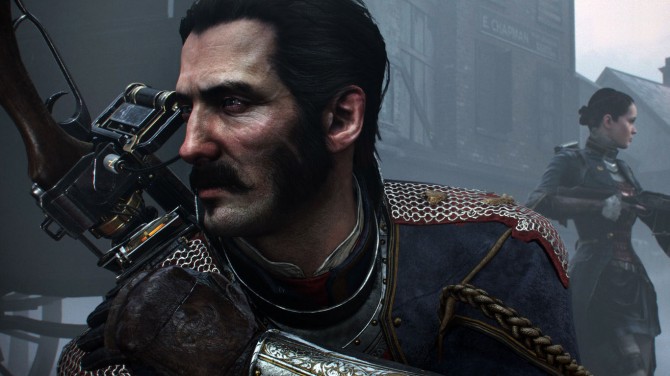
As the debate about The Order’s length rages on, most agree it’s one of the best-looking console games around. Its environments and characters are highly detailed, and its Neo-Victorian London vistas are stunning. In short, The Order is quite the looker.

I wondered whether creating a game with such impressive visuals meant Ready at Dawn, which is 120 people strong, simply didn’t have the time or resources to create a huge amount of content. But Weerasuriya said the development of the game wasn’t so black and white.

“It’s not the same people who go into both things,” he said. “It never was a question of, we’d put our efforts in art so we’re not going to create as much content.”

Rather, Weerasuriya insisted, it was Ready at Dawn’s focus on creating a variety of mechanics that meant there was more work to do than if it had made a straight up third-person shooter.

“If you want to talk about the number of gameplay mechanics, we probably have a lot more than normally any single game would have,” he said.

“Across the board, like the different melee systems, from the different gun systems, the breadth of guns you can use in the game, the different navigation stuff, even on the puzzle side, the interactive cinematics, all of that stuff, we actually probably, piece by piece, if you look at it, and the diversity of it, we built more content than a lot of games would.

“We didn’t rely on the same content. That’s one of the things we did. We didn’t want to be the one trick pony that went, all right, we’re making a shooter, so basically forget everything else, you’re just going to pick up a gun and you can go around and shoot at people. Not to sound like I’m putting anything down, it’s actually easier to do that and say, look, that’s all we’re going to do.

“The harder part was to try and figure out a way to build all these different mechanics and then through the thread of gameplay through the game, and the storyline through the game, put all of these moments together that made you feel like you’re going on a rollercoaster.”

The Order has raised eyebrows for the way it uses interactive cutscenes, which cannot be skipped, as part of the overall experience. The game often thrusts the player into action during or just after a cutscene with a quickfire QTE or melee fight, to name two examples.

This, Weerasuriya hopes, will keep players engaged throughout the entire campaign.

“When story is important we lessen the combat, but when combat is important we lessen something else,” he explained.

“Those spikes keep going all the way through to build an experience we felt was diverse. People would be always engaged. We’ll give you time to just watch and not do anything. Great. You can find that in the game. We’ll give you time to interact when you do that.

“But you better be careful, because as soon as an interaction is finished, you might have control of the player and you need to go forward, because if you wait, something bad might happen. That was the point. The point was, make sure people never felt like we were taking them for granted. We wanted them to understand there might be always something to do.

“Rightfully, some people just hate cinematics. Some people just hate certain types of gameplay. Some people hate navigation. The question for us was, we can’t just satisfy one group of people like that. What we want to do is give you an emotional ride. An experience. That was the long thread throughout the whole game.”

As The Order nears release, the length of its campaign is sure to play an important role in its success. But after a weekend of debate on gaming forums and social media, it’s clear some at Ready at Dawn are ready for the game to do the talking.

6e0de1dd634ea01103f7d098fbb8e845

by Colin Campbell

This game is about real life. The main protagonist is you.

Called Reflections, the game is still in Greenlight mode on Steam. Even if the set-up sounds a little unusual, the game does look pretty interesting.

It’s another one of those walkabout games in which you explore your surroundings, pick up stuff, make decisions and move the story forward. You begin the game packing up your things to head out to college. The player explores and interacts. The story reacts to how the player moves objects around.

Developer Tristan Moore of Broken Window Studios explained to Polygon what else happens. “Interactions are all based around manipulating physics-driven objects, but we’re pushing hard to make each of these interactions meaningful,” he said. “You can do things like exploring your home, making repairs, cultivating the relationship with your friends and family, exploring your neighborhood or even just play games like basketball.”

12759ece8843e684ed245f7bca49f386

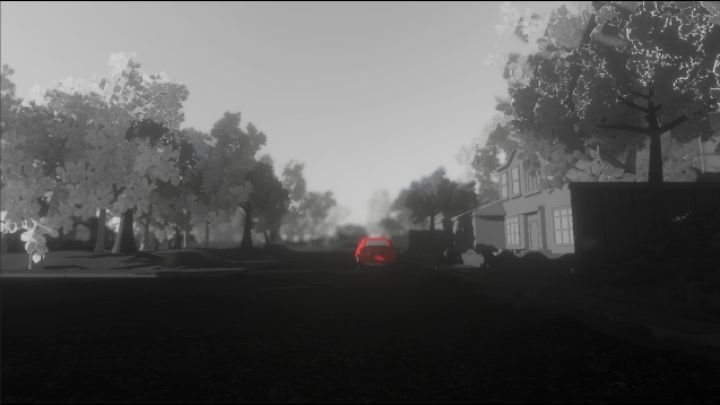
As you complete interactions, objects become flushed with color. The player’s view of the world gradually changes from monochrome to vivid color.

Reflections was originally built at a game jam at around the time Moore was graduating from college. He wanted to try to make a game that spoke about real life, but decided to focus on other stuff, like open-world horror title Grave.

“Since then, a few games have come out with interesting experiences that were just about normal people,” he explains, referring to the likes of Gone Home and even more fantastical fare like Dear Esther and The Stanley Parable. “The value of that type of experience has been proven. Not every game has to be about action, combat or puzzles.”

So, why make a game about people pretty much being themselves? “We’re really pushing the idea that the you are ‘you’ in the game, so the elements of the story are designed to be general. We are setting up a couple of questions for you to answer at the start which may change some of the outcomes and characters. We want to leave the character of ‘you’ pretty open, so it’s more defined by your actions than a predetermined context.”

Reflections, due out in April, asks the question: “Where will your life take you?” If you’re interested, over to the Steam Greenlight page would be a good start.

evolve-steam-cd-key-satin-al-001

by Jeff Grubb

Gamers are not afraid to let you know when they’re unhappy, and publisher 2K is learning that right now. People are slamming the Steam store page for the new 4-on-1 online shooter Evolve with damning reviews as a way of letting others (and 2K) know that they do not like many aspects of the game. The most common complaint is that Evolve has too much day-one downloadable content that players can pay to unlock as well as the premium-priced versions that include extra stuff that many people think should come included with every version of Evolve. We asked 2K to comment on the gamer response, but we’re still waiting on the company’s statement.

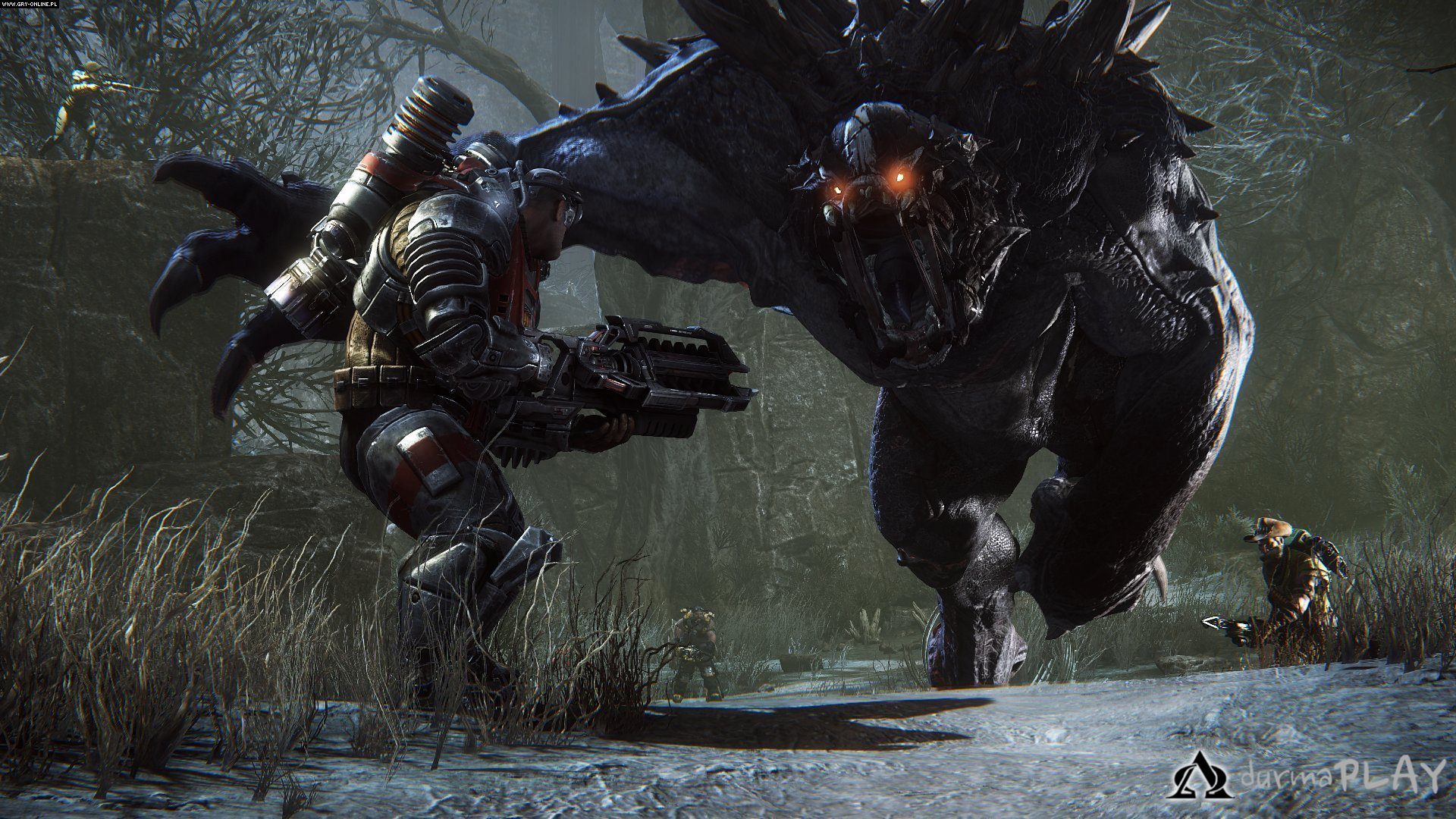
If you pay the $60 retail price to purchase Evolve, you get it with 12 of the hunter characters (some of which you unlock as you play) and three of the monsters. But you do not get immediate access to four additional hunters and the three monster skins that paying $80 unlocks. Or you could pay $100 to immediately have access to 18 hunters, four monsters, and four monster skins. 2K has eight different ways to buy Evolve — all of which come with various pieces of extra content that act as incentives to get players to spend more. While this may potentially increase the revenue the game generates, this price structure is also enraging some players who may enjoy Evolve but are eviscerating it in reviews because they think it’s not fair to pay $60 for what they feel is an incomplete product. It doesn’t help that Evolve is multiplayer-focused. Gamers are accustomed to paying $60 for releases that are brimming with single-player content as well as competitive and cooperative multiplayer modes. Evolve is laser-focused on its 4-versus-1 mechanics — but many people think that even $60 is too much for that. But the game also had nearly a dozen cosmetic skin packs for characters available for purchase the moment it went on sale. All of these issues have led to a number of negative user reviews on the Steam store page for Evolve.

by Nicholas Holden

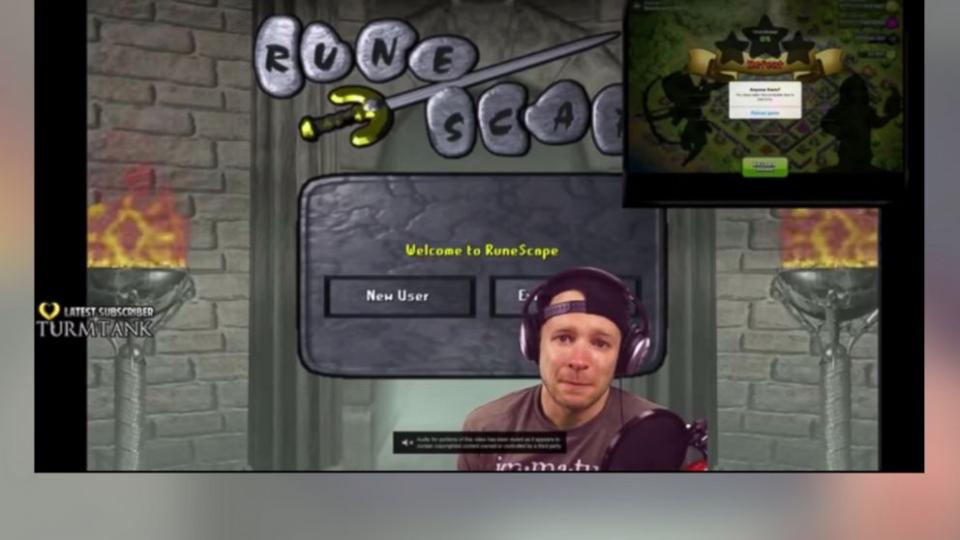
On Saturday, we reported that a popular YouTube streamer was raided by police in front of 60,000 viewers, as a result of a false police report claim, or “Swatting.” The ‘SWATer’ is yet to found, but in an unrelated case a Nevada gamer has been arrested, as he has been accused of orchestrating a “SWATting” attack on a video gamer over the summer.

Brandon Wilson, 19, known by some as “Famed God,” was arrested last week Thursday, according to the Chicago Sun-Times. Wilson falsely reported a murder to Naperville police in July 2014, resulting in armed law enforcement arriving at a victim’s address.

MediaHandler.ashx
Brandon Wilson, 19, aka “Famed God”

Prosecutors working on the case stated that Wilson also threatened an attack on the victim’s banking and Social Security accounts. He told the victim that  he would put the victim’s father “in debt for life.” The threats will form as additional charges, of which Wilson can expect up to five years in prison.

Investigators found evidence of Wilson’s involvement in the SWAT attack as well as other similar incidents. He charges include; two counts of computer tampering and one count of intimidation, computer fraud, identity theft and disorderly conduct. The are said to be up to three other states currently after him who may proffer additional charges.

Most “swatting” related incidents come from gamers. The success of streaming platforms such as Twitch, which provide a live screening of victims being ‘Swatted’ could be the reason, as it provides the perpetrator with an audience. That being said, it looks like we are slowly but surely seeing these pranksters being punished for their actions. As a result, we may see swatting reduced over the next few years when more of these internet thugs land themselves behind bars.

Do you think Wilson’s five year jail sentence is too harsh? Remember Justin Carter, the teen jailed in 2013 over the League of Legends disagreement? His case is still under investigation. Carter spend a lot of time in jail and is still under house arrest, over a comment.

by Chris Reed

Superhero movies have been making a killing at the box office for more than a decade now, but all too often the video games based on these spandex-clad characters are a little lackluster (*cough* Superman 64 *cough*). Thankfully, we can find some diamonds in the rough. Here, in no particular order, are some of the best superhero video games ever made.

1. Ultimate Marvel Vs. Capcom 3

ultimate-marvel-vs-capcom-3-640x343

When it comes to superhero Fighting games, Ultimate Marvel Vs. Capcom 3 is about as good as it gets. Each player picks three fighters from a massive roster of Capcom characters and Marvel superheroes, including Spider-Man, Iron Man, Wolverine, and Hulk. Then you tag-team your way through your opponents, pulling off big flashy moves unique to each character.

To the untrained eye, the results might seem too chaotic. But once you get a little experience under your belt, you’ll find a game with all the depth and balance of Capcom’s best fighting titles.

2. Spider-Man 2

Spider-man_2_1621575i

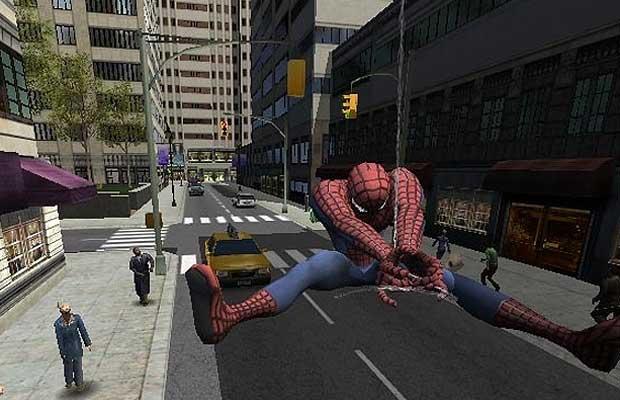
The 2004 game Spider-Man 2 was one of the better open-world games of the era, thanks in no small part to its swinging mechanic. It was great fun to web-sling through the skyscrapers of Manhattan, taking in the vistas and stopping to thwart the occasional crime.

Beyond that, though, the game sported voice acting from the cast of the movie, narration by cult hero Bruce Campbell, and plenty of fun side missions. Other Spider-Man games have come out before and since, but this one just might be the best of the bunch.

3. X-Men

X-Men

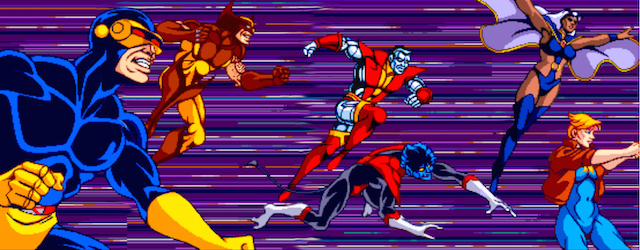
In the 1990s, some of the most fun you could have with your friends was going to the arcade and crowding around the four sets of control inputs on the X-Men arcade game. Each player could jump, attack, and use a limited superpower against the hordes of Sentinels and other enemies the game sent after you. It was challenging as all get-out — which ensured you’d keep pumping in quarters — but the four-player cooperative gameplay was second to none.

4. Freedom Force

freedom-force

Everyone loves the Bioshock games, but before those were conceived, developer Irrational Games made Freedom Force, one of the best squad-based tactical games around. Before each mission, you assemble a team from a list of superheroes. Then you go out into the city and stop the bad guys before they can finish their bad deeds, whether that means thwarting purse-snatchers or fending off an alien attack. It’s all great stuff that’s clearly inspired by the early years of superhero comics, and it works fantastically in the game.

5. Hulk: Ultimate Destruction

hulk-ultimate-destruction

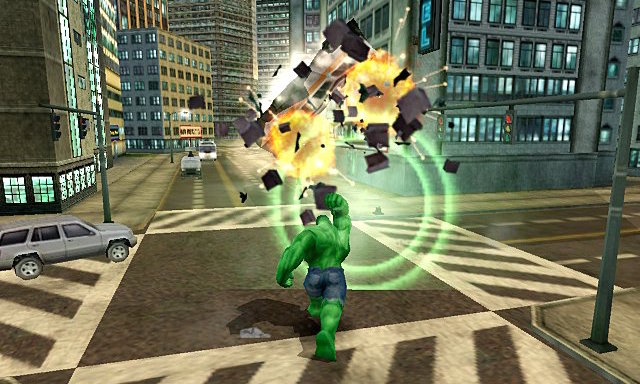
The angry green giant hasn’t enjoyed the video game spotlight as often as Spider-Man or the X-Men, but he starred in one really fun game in the PlayStation 2 era. Hulk: Ultimate Destruction is an open-world game in which — as the title suggests — you can wreak havoc on the city.

Just about everything in the game is destructible, from the cars to the lamp posts, and even some of the buildings. Better yet, you can use pieces of the stuff you demolish to break other things and fight off enemies. If you enjoy the occasional unhinged rampage, this game’s for you.

6. Lego Marvel Superheroes

lego-marvel-superheroes

Lego games are always adorable and lighthearted, but Lego Marvel Superheroes also offers an encyclopedic look at the whole wide Marvel Universe. Scores of superheroes and villains are accounted for here, including the X-Men, Fantastic Four, and the Avengers, plus all the mean mutants and evildoers they love to fight. But the best thing about this game? No matter how many building blocks you break the Marvel Universe into, no clean-up is required.

7. Marvel Ultimate Alliance

marvel-ultimate-alliance

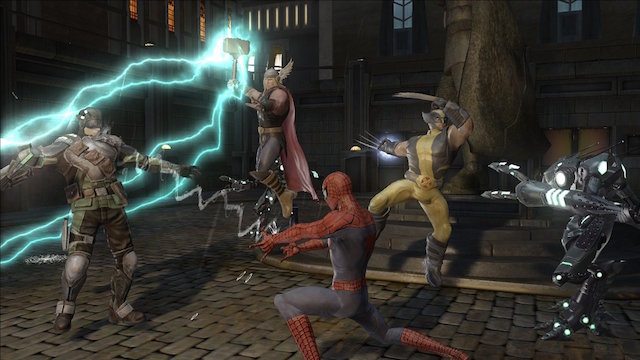
The X-Men Legends games were tons of fun, but developer Raven Software went all out with Marvel Ultimate Alliance, a top-down beat-‘em-up game that has you pick from 24 playable superheroes and then pound the super-snot out of every enemy who gets in your way.

The game features more than 100 characters from the Marvel Universe and explores just about every corner of the comic book locations, from Thor’s Asgard to Dr. Doom’s Latvian castle. Throw in some satisfying skill tree-based progression and a fantastic story line, and you’re looking at a great way to spend 20 hours.

8. Batman Arkham Series

batman-arkham-asylum-e1398437366105

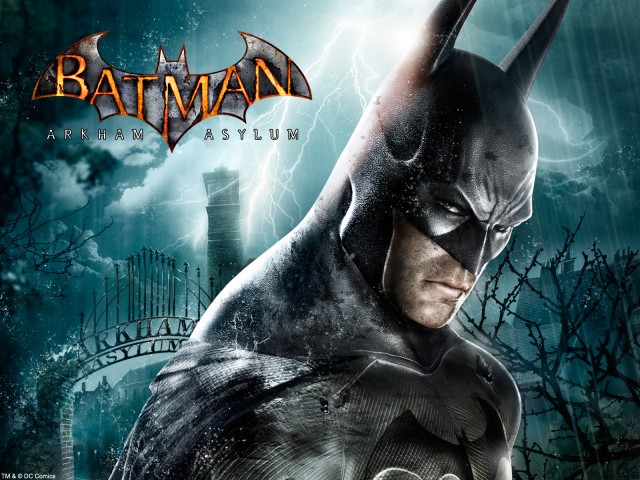
Let’s cut to the chase: If for some reason you can only play one superhero game for the rest of your life, you should choose either Batman: Arkham Asylum or Batman: Arkham City. These games are no-holds-barred AAA titles. First is story: The plots weave a crime-filled tale that fits perfectly into the Batman canon. Developer Rocksteady managed to do right by the heroes and villains alike.

But the best thing is the combat. These games have some of the hardest-hitting melee battles in all of gaming. You often find yourself being attacked by a group of thugs, but the game’s finely-tuned system of blocks and counterattacks makes fending them off not only possible, but incredibly rewarding. Batman comes off as powerful, but not too powerful; capable, but not invincible. It’s everything you could want in a superhero game and more.

HT_gamer_swatted_sk_150206_v16x9_16x9_992

by Alyssa Newcomb

A popular gamer said he was shaken up after armed police, apparently prompted by a prank phone call, raided his home as he was live streaming to nearly 60,000 viewers on the video game website Twitch.

Joshua Peters, a U.S. Air Force veteran who lives in St. Cloud, Minnesota, was playing browser games on Wednesday when he fell victim to an apparent “swatting” prank.

Swatting is the practice of placing a phone call that prompts armed police to deploy to the home of an unsuspecting target — something that can be incredibly dangerous for victims caught off guard.

St. Cloud Chief of Police William Anderson confirmed the incident to ABC News and said it was currently under investigation.

Known as Koopatroopa787 on Twitch, Peters played with his noise-cancelling headphones on as armed officers swarmed the residence where he was with his mother and younger brothers.

When he heard his mother call to him that officers were in the home, a confused Peters exited from view of the camera. After it was evident he had been a victim of swatting, Peters returned to close out his stream as he held back tears talking about the dramatic situation.

“I see you posting my address. I had police point a gun at my little brothers because of you. They could have been shot, they could have died because you chose to SWAT my stream,” he said, addressing the anonymous attacker. “I don’t give a s*** about what you have against me, or what I did to you. For that, I am at a loss for words. Your gripe is with me so let it be with me and do not involve my family in any way, shape or form with this. They don’t deserve that.”

Peters told ABC News today he does not have “beef” with anyone and was not sure who would target him.

“It was more or less a wake-up call that I have to be careful. It can happen to anybody,” he said. “I came back on after and told everyone what was going on. I knew the person who did it was watching and I wanted to let them know you can’t do this.”

The officers who stormed his home were “very professional about it” when they realized they had been sent to the house as part of a swatting prank. Peters said he is now working with authorities to determine who could have targeted him.

Dungeon-Defenders-2

by Rashid Sayed

Philip Asher who is the Marketing Director at Trendy Entertainment has revealed that Sony’s policies for the PlayStation 4 is the reason why they opted to go console exclusive with them. The PC version of the game been under early access for quite a while and it was announced during The Game Awards show that it will also come to the PS4.

It’s rather interesting that Trendy Entertainment decided to skip the Xbox One version since they would ideally want to be on as many platforms as possible. When asked whether there was a specific reason they are skipping the Xbox One version, Asher stated the following:

“We really love the folks at PlayStation and right now a lot of policies on the PS4 made it a better fit for Dungeon Defenders II, since it will be a free-to-play title,” he said.

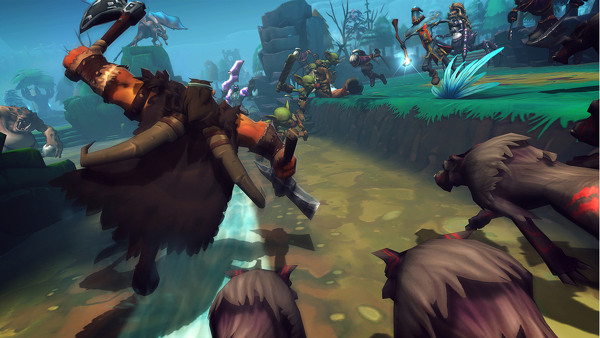
He also explained how different classes will interact with each other. “In Dungeon Defenders II we’ve implemented a combo system that allows heroes’ Defenses and Abilities to interact. So, for example, a Monk can place a lightning aura over a Huntress’ geyser trap. Then, when enemies walk through the geyser trap they will get wet and when they get dealt the electric damage from the lightning aura they will become stunned.”

Dungeon Defenders 2 will release on PC and PS4 sometime this year, however the developers stated to us that they are not sure whether they will be able to launch it simultaneously on both platforms since the game is deep in development on the PS4.