775473a497d4c4543558a168459b72ef

by Tamoor Hussain

Phil Spencer, the head of Xbox, has explained how Xbox 360 game emulation is being achieved on the Xbox One, as well as the ethos behind the company’s decision to support legacy content.

Speaking on Giant Bomb’s E3 Day One podcast, Spencer said the decision to support Xbox 360 games was made to “make 360 owners look at Xbox One as a safe place to play.”

“Millions of people made investments in 360 content,” he said. “We thought the right thing to do was to make that content go forward, but we didn’t know [how difficult it would be].”

“[Emulation] is hard,” admitted Spencer, explaining that the company was dealing with having to harmonise PowerPC architecture with x86.

 “The approach that we’ve taken is to actually emulate the full Xbox 360 hardware layer. So the [operating system] for the 360 is actually running when you run the game,” Spencer explained.

“If you watch the game’s boot you’ll see the Xbox 360 boot animation come up. From a performance standpoint it allows [emulation] to work. We’re able to get frame by frame performance equivalents.”

“[Xbox Live] thinks you’re on a 360, so people have been asking ‘hey, why are you playing Mass Effect on the 360?,’ I was actually playing on the Xbox One.”

Spencer continued to explain that, since the Xbox One thinks it’s playing a normal game, features such as streaming and screenshots are supported.

“The 360 games think they’re running on the 360 OS, which they are. And the 360 OS thinks its running on the hardware, which it’s not, it’s running on an emulated VM. On the other side, the Xbox One thinks it’s a game. That’s why things like streaming, game DVR, and screenshots all work, because it thinks there’s just one big game called 360.”

Delving deeper, Spencer explained exactly how the emulator packages the Xbox 360 games, and how it compares to Xbox 360’s emulation of original Xbox games.

“You download a kind of manifest of wrapper for the 360 game, so we can say ‘hey, this is actually Banjo, or this is Mass Effect. The emulator runs exactly the same for all the games.

“I was around when we did the original Xbox [backwards compatibility] for Xbox 360 where we had an emulator for every game and it just didn’t scale very well. This is actually the same emulator running for all of the games. Different games do different things, as we’re rolling them out we’ll say ‘oh maybe we have to tweak the emulator.’ But in the end, the emulator is emulating the 360, so it’s for everybody.”

Asked about whether Microsoft would require permission from game publishers to adjust game code, Spencer clarified it would not be interfering with code.

“The bits are not touched,” he said. “There’s some caveats, and as always I like to be as transparent as I can be on this: Kinect games won’t work from the 360, because translating between the Kinect sensors is almost impossible.”

Finally, the subject of multi-disc games was also addressed. According to Spencer, it’s an issue engineers are looking into.

“We’re still working on multi-disc,” he said. “Lost Odyssey and Blue Dragon are some of my favorites from the 360. There’s actually work in packing a multi-disc into single that requires us to go back and look at the original package on the multiple discs and reconfigure that.”

Microsoft announced Xbox One backwards compatibility with Xbox 360 games at its E3 press conference. According to the platform holder digital Xbox 360 titles already purchased via XBLA, as well as retail discs of last-gen titles, will eventually be “natively” playable on Xbox One.
destiny-ps4-e1403010724655

by Emanuel Maiberg

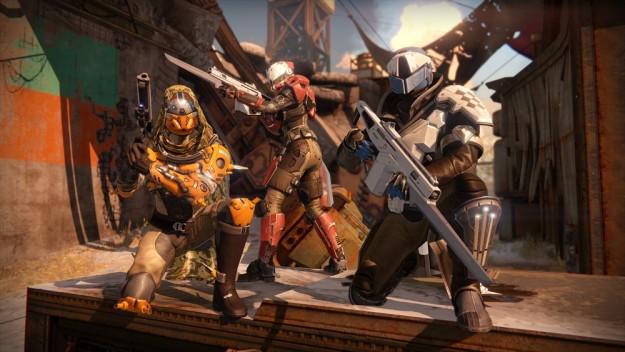
Last week, a Destiny clan named DoD Legion lost a member, Joshua R. Stokell, who passed away after a lifelong battle with cystic fibrosis. A fellow clan member who goes by the handle Ln_Wanderer on Reddit put out a call on the Destiny sub-Reddit, asking dellow Destiny players to send video clips the clan can put together as a kind of memorial montage.

“As expected, you the Destiny community, came through is an amazing way,” Ln_Wanderer wrote. “More than 250 people have stopped by here and the Bungie forum to offer your condolences and to submit video clips. From the bottom of our hearts- Thank You! We are proud to honor our friend with the following video:”

The 3-minute video shows Destiny players firing their guns in unison, saluting, and waving goodbye from all around the game’s universe in honor of Stokell, or TheSquashPhD, as he was known in the game.

In other Destiny news, Bungie was at E3 2015 to announce the newest expansion for the game, The Taken King, which launches on September 15.

drake2

by Paul Tassi

In 2013, Sony took to the E3 stage to announce that not only would the PS4 not rely on a constant internet connection, not be inextractible from a motion control peripheral, and actually play used games, it would also be priced $400, a hundred less than the Xbox One which had just debuted with all of the aforementioned baggage. But in 2015, it was Microsoft MSFT -1.28%’s turn to throw Sony for a loop by announcing that the Xbox One would be backwards compatible with the Xbox 360.

I wouldn’t say that the two are quite on the same level in regards to surprise hardware announcements, as Sony’s blow was so savage and deep the Xbox One is still trying to recover, but the One’s new backward compatibility was one of the only significant hardware stories of this year’s event, and clearly threw Sony for a loop, as evidenced by a Eurogamer interview with Shuhei Yoshida.

“I didn’t think it was possible,” Yoshida said. “There must be lots of engineering effort.”

He’s also a little skeptical about how it might work in practice.

“They talked about 100 games, but what kind of games will be included? Is it smaller games or big games? We don’t know.”

Right now, Microsoft is having fans vote on which games they want to see supported the most, as the system works on a case by case basis to ensure whatever architecture the old game was built on can now fit into the new system.

This week, I wrote that we would likely never see backwards compatibility for the PS4, with the main reason being that Sony has invested a ton into PlayStation Now, their game-streaming service which streams all manner of old Sony titles for a rental fee. Suddenly allowing the PS4 to play old games would negate a huge part of the reason anyone would bother to use the service, if they have a reasonably sized past-gen games library.

games

While Yoshida confirms that PS4 will likely not see backward compatibility any time soon, if ever, he instead cites technical reasons. “PS3 is such a unique architecture, and some games made use of SPUs very well,” he says. “It’s going to be super challenging to do so. I never say never, but we have no plans.”

I think this entire affair has been kind of a masterful move by Microsoft as a way to try and claw their way back to even ground with Sony after the PS4 took off like a rocket. I’m sure that while there are technical issues currently preventing the PS4 from playing older games, those issues were likely also in place for the Xbox One. Only Microsoft clearly deduced that it would be a worthwhile investment to try and crack that riddle, knowing that Sony would be thinking that the debate was over and done and both the PS4 and the Xbox One agreed that backwards compatibility was simply not happening this generation.

Now, Microsoft gets to spring this on them out of nowhere as a not-insignificant selling point for the Xbox One, which is increasingly valuable the more similar the consoles have become to one another since launch. Tell one prospective consumer that one system plays their entire existing library of games, while the other forces you to rent them from a streaming service can be a pretty compelling argument. Probably not enough to turn the entire tide of the console wars, but few can dispute it’s a solid benefit all the same.

This now puts Sony in an awkward position as they wonder how or if they should answer this. Do they spend Microsoft-level resources investigating how to make the PS4 backwards compatible? Do they do this knowing that it could potentially damage PlayStation Now, which has already been struggling to find its footing? I don’t think so.

As I said previously, Sony is still far enough in the lead where the Xbox One’s newfound backwards compatibility is probably not enough to pose a significant threat. As cool as the feature may be, it is a relatively small number of users who will actually use it when they get immersed in the next console generation. Having backwards compatibility at launch is a pretty significant bonus because it’s so new into the console’s lifecycle and there aren’t many games to play. But now? If someone gets a new system, they may play older games from time to time, but we’re now at a point two years into this new generation where there are plenty of PS4/Xbox One must-play titles to choose from.

So while Sony was as surprised as any of us about this development, it’s not something that necessarily has to send them reeling either.

reddead_0_0

by Charlie Hall

During their E3 press conference on Monday, Microsoft executives announced backward compatibility for Xbox 360 games on the Xbox One. Just a few days later, they’ve opened a page to allow fans to vote on what games they want added to the program.

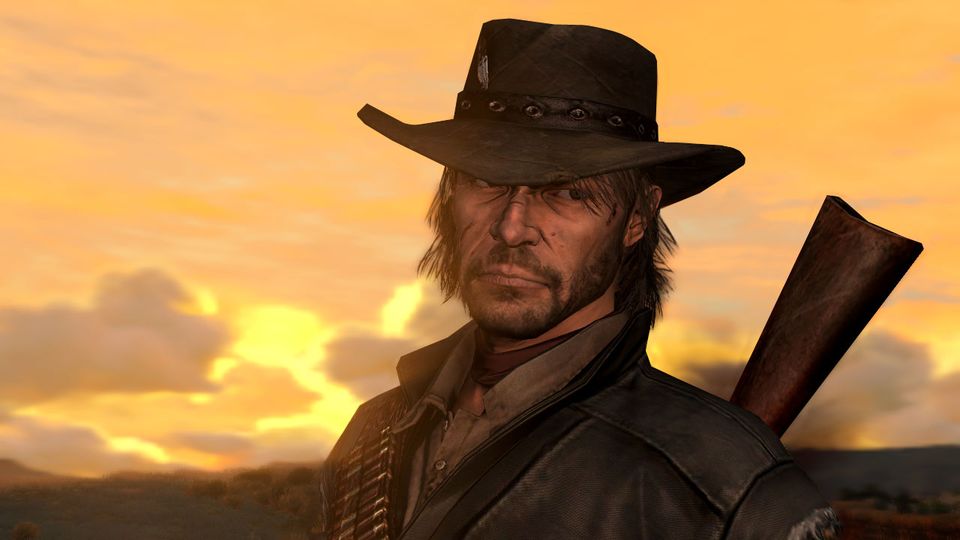
Leading the pack, with more than 30,000 votes, is open-world western Red Dead Redemption.

While only 18 games are available right now including fan favorites Viva Piñata, Geometry Wars: Retro Evolved 2 and the original Mass Effect, Microsoft has promised 100 titles by this holiday season.

Other titles topping the charts in the fan vote include every single shooter of the previous generation. Also Fallout 3 and BioShock Infinite… which have a bunch of shooting in them as well. More than likely, Microsoft is eager to spread the love around to other genres, so now’s your chance to place a vote that just might make a difference in what titles you’re able to play.

Aiming_at_Thunderjaw_0

by Chris Plante

Today marks the end of the best E3 in recent memory, and the beginning of a new, healthier era for the big budget sector of the video game industry.

After years of misguided press events that ostracized women, fetishized realistic violence, and promoted video game consoles as practically everything but hardware that plays video games, the companies that dominate E3 have made strides to better respect the medium that pays their bills, along with the people who enjoy and work within it.

For the first time, women appeared on stage in the majority of major press events, and as playable characters in many games. A handful of trailers emphasized that players will have the option to play as women in games like Dishonored 2, FIFA 16, and Assassin’s Creed Syndicate. The latter franchise made the positive about-face following last E3, when members of the previous Assassin’s Creed development team cited a lack of time and resources as the reason a woman wouldn’t be a playable character in their game.

“Gamers engage most deeply with games when they can find something to identify with,” said Microsoft Game Studio head of publishing Shannon Loftis, during an interview with The Verge. “Including more diverse characters in the game, it just makes sense. It makes gaming sense. It makes business sense.” Loftis is right, and other publishers and developers are finally catching on.

Take for example Guerrilla Games, best known for a sci-fi military shooter so masculine that nothing more need be said than its title: Killzone. This year the developer announced a new franchise: a robot-dinosaur hunting game, in which a woman plays the lead. Titled Horizon: Zero Dawn, it’s proof women too can be the stars of beautiful, exciting games with utterly meaningless titles.

There’s plenty of room for improvement in inclusivity, from the scope to the breadth of representation — minorities still get little to no public recognition at the conference — but we witnessed progress in an industry that more often than not behaves like a petulant child, kicking and screaming and refusing to grow-up.

Without publishers kindling controversy dumpster fires, the games had an opportunity to speak for themselves, just as it should be. The event was by no means a celebration of risk and undiluted artistic integrity, but not everything was baked in a board room. Mirror’s Edge: Catalyst, For Honor, and even Mario Maker scan like ideas that exhausted developers fought a thousand little, corporate fights to get green-lit.

Last, and I struggle to describe this, is the new vibe VR and AR bring to games. Virtual and augmented reality projects, of which there were countless, released this mysterious energy into the Los Angeles Convention Center that made a walk through the halls feel like trip to Disneyland. In years past, virtual reality was a lark to many of the attendees, but this year you couldn’t walk down the hall without hearing about this opportunity for video games (and their publishers) to be at the forefront of something truly futuristic. I’ve never seen so many people in Los Angeles smiling.

E3 2015 played out like the industry’s cotillion. After much encouragement, publishers are coming together to take ginger steps into adulthood. There’s plenty of maturation left — hello worker rights! — but for the first time in a long time, the future of big budget video games looks like a place hospitable for players, raised on the medium, who have already grown-up.

IMG_20150618_101225537

by Marshall Honorof

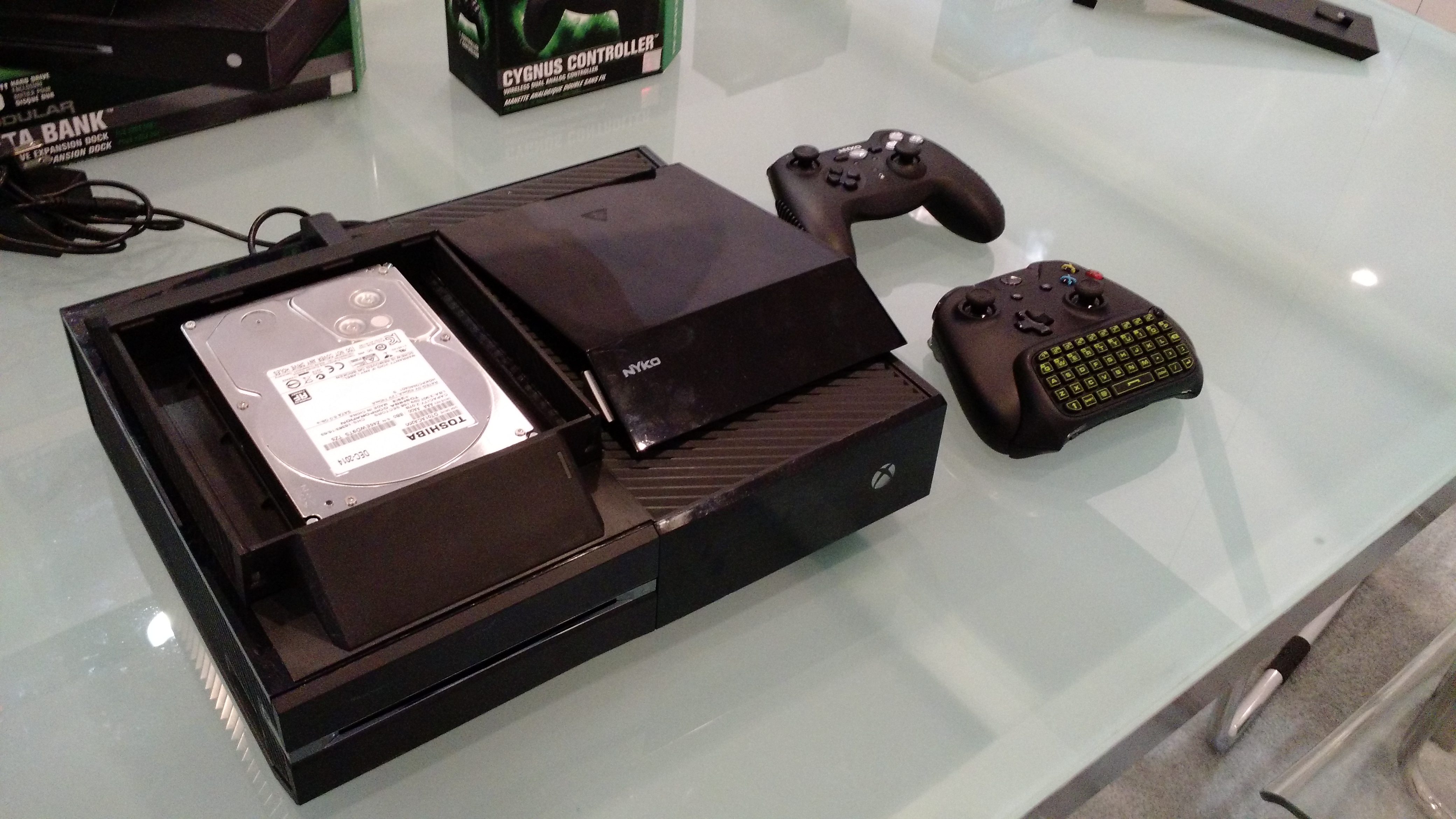
LOS ANGELES — You’ve got to hand it to Nyko, it makes products that people want. The popular gaming accessory manufacturer rarely produces the flashiest gear or the biggest announcements, but their products have an amazing way of making you slap your forehead and asking, “Why didn’t I think of that?” For instance, why wouldn’t you want a tiny keyboard to plug into your controller? The company’s latest line of peripherals mostly targets the Xbox One to streamline your gaming experience.

I took a look at Nyko’s new lineup during E3 2015, and the new products all looked like potentially useful things to own. Just as the company announced upgrades and enhancements for the PS4 during CES 2015, this round of add-ons focused mostly on the Xbox One, looking to expand its storage space and helping gamers type faster on it.

The Nyko Type Pad for Xbox One will launch around October and retail for $30. You simply plug a small keyboard into the bottom of your Xbox One controller, then attach a USB dongle to your Xbox One. The Type Pad allows gamers to type in Web addresses, login details and messages to friends much faster than selecting words one painstaking letter at a time onscreen. There’s also a small scrolling nub to jump easily from text field to text field.

The Data Bank for Xbox One is another very simple idea that could solve a rather pernicious problem. If you’re running low on space on your console, you can install an external hard drive, but there’s no good place to put it. The Data Bank supports any 3.5-inch hard drive, connects it to the Xbox One via USB, and provides its own dedicated power cord. This way, players can buy large, cheap hard drives, and secure them in place with a handsome black enclosure that sits neatly on top of the system. The Data Bank costs $40 and will launch in October, along with the Type Pad.

Nyko also shared a few smaller non-Xbox announcements. The Cygnus is a controller for Android devices, and represents a stripped-down, no-frills alternative to the expensive, rechargeable models on the market. The Cygnus runs on AA batteries, has a full complement of buttons, and costs only $25, but don’t expect any fancy features beyond that.

Finally, Nyko’s PS4 modular charging station is getting a small upgrade. This add-on plugs into the PS4’s USB ports to provide an easier method of charging controllers. Fans wanted a way to recharge controllers without losing the USB ports, however, and Nyko has developed a new version of the modular charge kit with two USB passthroughs. This model will ship once the current model’s stock runs out, likely between August and October.

Amidst trailers for Tomb Raider, The Last Guardian, Star Fox and the like, a few gaming accessories may not seem like much. However, you can’t play games without a gaming system, and these peripherals could help some players get a little more out of theirs.

The_head_of_Xbox_says-46e60f97767bec933247277c3e69e813

by Ben Gilbert and Corey Protin

In 2010, Microsoft launched its original “Kinect” camera peripheral for the Xbox 360 with a midnight event in Time Square. Hundreds lined up and chanted “You are the controller!” – Microsoft’s marketing message for Kinect; the camera/microphone peripheral tracks the human body and recognizes voice commands, thus putting players directly into games.

The first version of Kinect went on to sell some 24 million units, one third of which were sold in the first 60 days it was available. To say it was popular is a dramatic understatement.

When Microsoft launched the Xbox One in 2013, it came with a new version of Kinect. It also made the Xbox One cost $100 more than the competition: PlayStation 4. And that’s where Microsoft went wrong.

Despite a raucous consumer response to the first version of Kinect, the second iteration largely failed with consumers. It forced the cost of Xbox One to $500, whereas the first Kinect was an optional addition to the Xbox 360. The PlayStation 4 launched at the same time as the Xbox One, and it cost $100 less while offering much of the same content.

In short, Kinect has been a hindrance for Microsoft’s Xbox division across the past two years: A reminder of previous success and recent missteps all at once.

Despite unbundling the Kinect from Xbox One at retail – thusly cutting the price of Xbox One to match PlayStation 4 – Microsoft’s position on Kinect remains one of commitment. Xbox leader Phil Spencer echoed this sentiment in an interview with Business Insider on Monday in Los Angeles:

I see the engineering resources that we’re putting in, to build out what Kinect’s able to do, and I think that idea of voice response and motion response is critical to where gaming’s going.

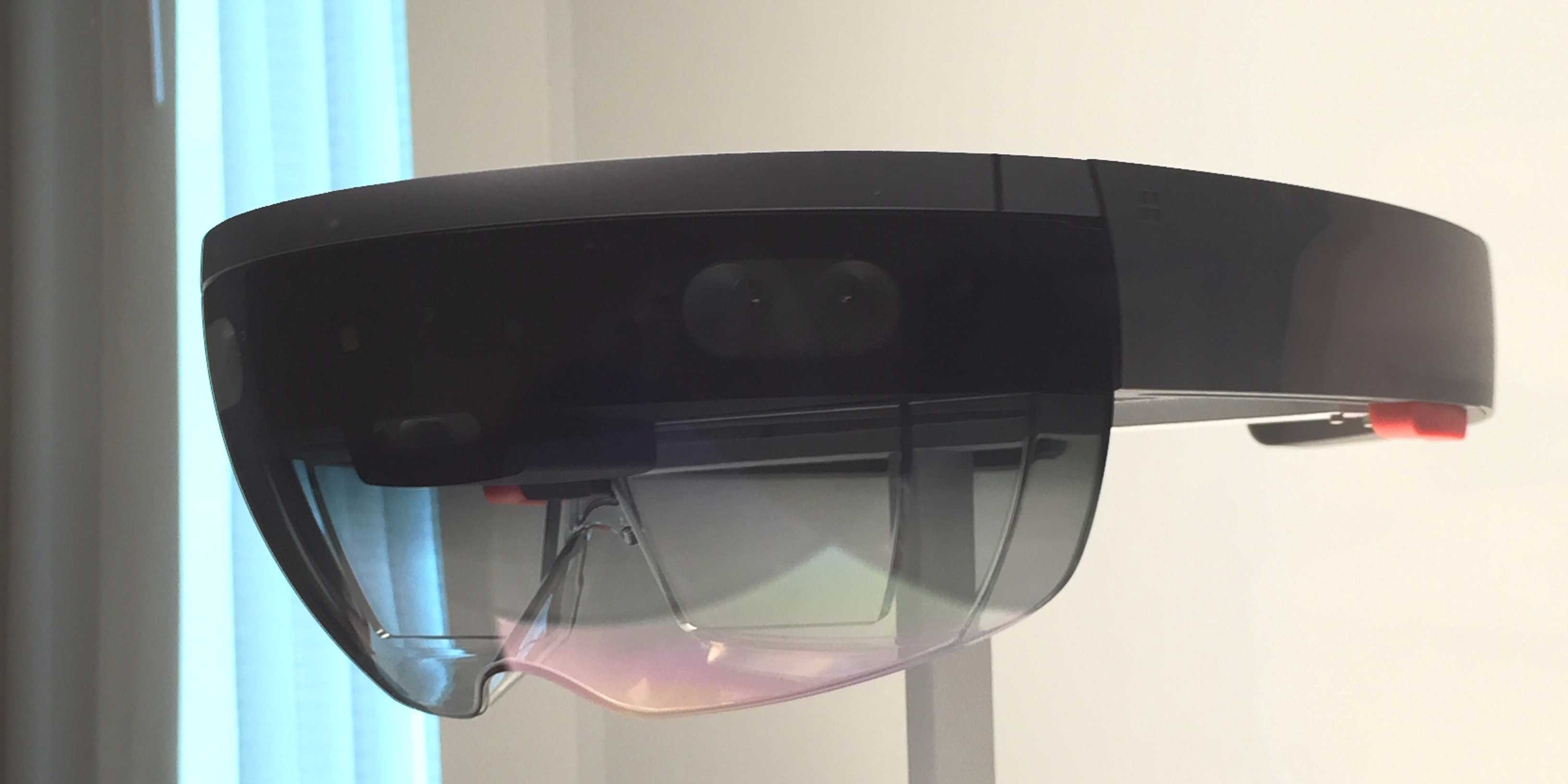
Beyond just the Xbox One, Spencer pointed out that Microsoft’s “next big thing” – the HoloLens headset it unveiled in January 2015 – employs much of the same technology as Kinect to work its magic. For example, HoloLens needs to scan the world around you and understand surfaces in a three dimensional environment. It also accepts voice commands. That is exactly what Kinect’s latest iteration was built to do.

“The importance of Kinect and understanding where a player is and allowing them to interact using their voice and gesture in an experience spans beyond just what console is about. A lot of what’s in HoloLens is the same surface area that a Kinect developer would use,” Spencer told us.

He also sees its use as a voice command machine to be of crucial importance: Xbox One owners with Kinect are largely using it as a means to command their console via voice, not with gestures (i.e. waving around your arms).

Personally, my Kinect is in a box in the closet after weeks of failed attempts at using it easily in my living room. But if the impressive technology in Kinect helps make the insane “mixed reality” of HoloLens better, then consider me on board. Whether or not Kinect itself will be “critical” to the future of gaming is unclear, but the tech inside Kinect seems a no-brainer for driving the future of interaction in gaming.

9fa2da537272e41e52c2c7a024d133ec

by Eddie Makuch

The Xbox One may be trailing behind the PlayStation 4 in the current-generation sales race, but Microsoft has high hopes for its console this holiday. Speaking with GameSpot this week at E3 2015, Microsoft executive Aaron Greenberg said a string of blockbuster exclusive games and new backward compatibility functionality will lead to a “massive migration” of Xbox 360 owners moving to Xbox One.

“A lot of people have been waiting for the next Halo; a lot of people have been waiting for Gears; a lot of people have been waiting for backwards compatibility,” Greenberg said.

Halo 5: Guardians, Gears of War Ultimate Edition, and backward compatibility will all be available on Xbox One before the end of the year.

“And so we think having all of that coming this holiday; we expect we’re going to see a massive migration,” he added. “We expect millions of Xbox 360 owners to migrate and move to Xbox One. We see that the majority of people who buy an Xbox One today own an Xbox 360. So our fanbase has stayed very loyal. And frankly, they’re waiting for those new releases to come this year.”

Greenberg stressed that you should not underestimate how pivotal backwards compatibility will be in encouraging people to upgrade from an Xbox 360 to an Xbox One.

drakes-fortune-e1434634387793

by Paul Tassi

One of the biggest stories to come out of E3 that doesn’t involve the announcement of an actual game is the news that Microsoft’s Xbox One will now be able to play Xbox 360 game discs, offering full backwards compatibility for the console, something long thought impossible for this new console generation.

Nearly everyone, outside of entrenched fanboy camps perhaps, sees this as a pretty huge deal for the Xbox One, as that now means reluctant 360 players are free to upgrade without the fear of losing their massively expensive game collections. Yes, an Xbox One is still $350, which isn’t cheap, but the fact that it’s backwards compatible now just made it feel a lot more valuable to those with big 360 library. And with 80 million Xbox 360s sold, that’s no small number.

It’s not going to win Microsoft the console war by itself, and certainly won’t be used by all (I traded in most of my 360 games for a Wii U a while back. I don’t regret it, though I did wince a little when this was announced), but undoubtedly Sony has to be sitting up and taking notice of this development. Out of the PS4, Xbox One and Wii U, the PlayStation 4 is now the only console that isn’t backwards compatible. Surely Sony now must be considering performing whatever voodoo Microsoft did to make the One play 360 games, so they can offer their PS3 library to fans, right?

Don’t count on it.

The real genius of this move here by Microsoft isn’t that they’re now offering something Sony doesn’t have. It’s that they’re offering something Sony almost can’t have, based on how they’ve structured the PS4.

I’m not talking about system architecture. Though it would likely be hard, there probably is some way that the PS4 could be altered to be able to play PS3 discs. Rather, I’m talking about what Sony essentially replaced backward compatibility with: PlayStation Now.

The real genius of this move here by Microsoft isn’t that they’re now offering something Sony doesn’t have. It’s that they’re offering something Sony almost can’t have, based on how they’ve structured the PS4.

I’m not talking about system architecture. Though it would likely be hard, there probably is some way that the PS4 could be altered to be able to play PS3 discs. Rather, I’m talking about what Sony essentially replaced backward compatibility with: PlayStation Now.

playstation-now

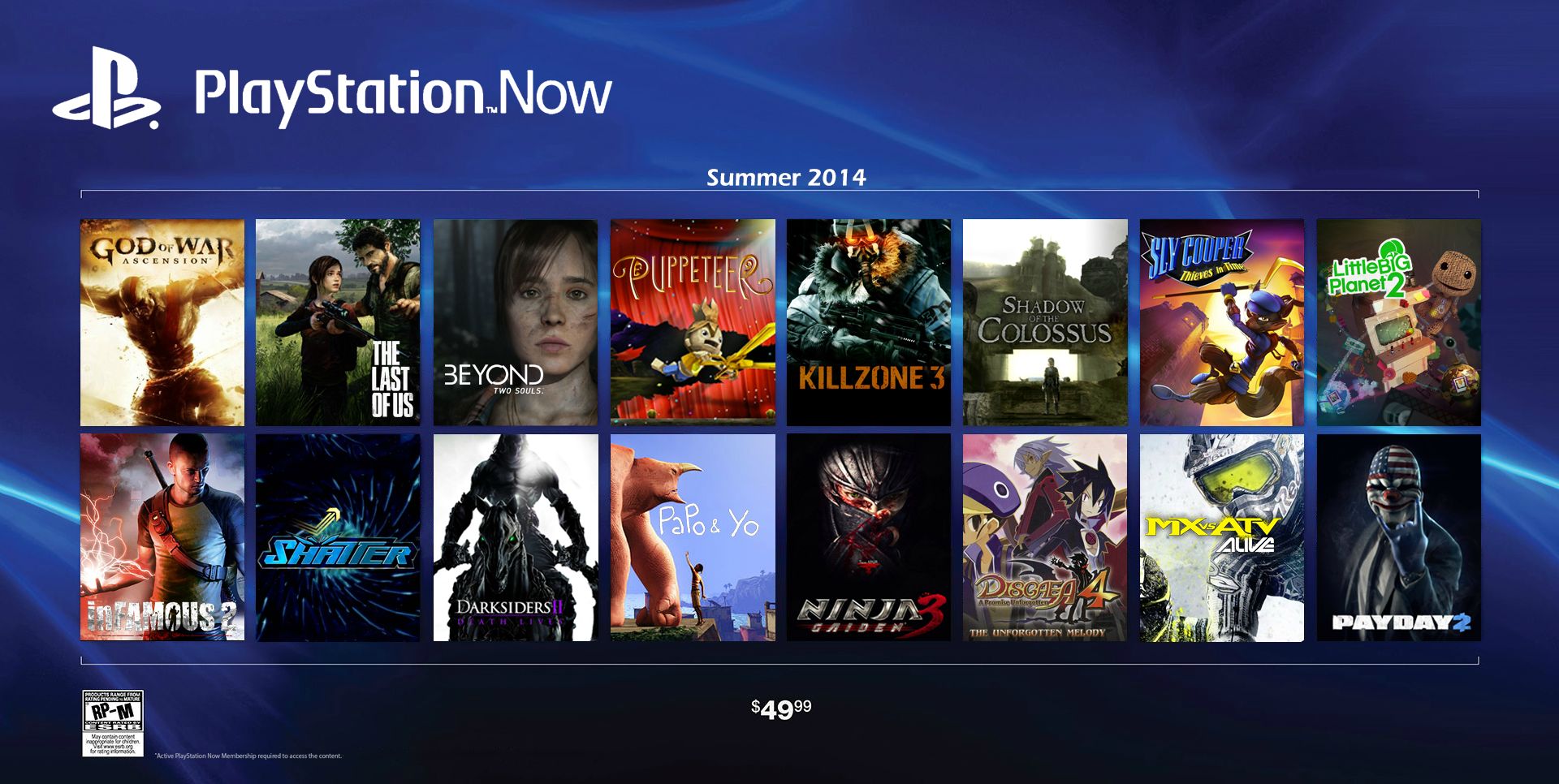
Sony has invested a lot of time, money and effort into PlayStation Now, the streaming service which allows for the digital rental of a huge host of old PS3 games from classics to the obscure. PS Now has struggled to find a proper pricing model, but from the beginning the intention was clear. Since backwards compatibility was too hard to implement, Sony thought they could offer select PS3 games that players might have a hankering to replay, while making themselves and the publishers a few bucks in the process.

In a vacuum, this isn’t a bad idea. PS Now does work pretty well, and even if prices have been wonky, chances are PS4 owners aren’t dying to play old PS3 games all the time. When the craving hits them, they can spend a few bucks a play Uncharted or God of War or what have you, or try something else they never got around to.

The problem, of course, is now when both of your rivals, Microsoft and Nintendo, suddenly are offering full backward compatibility for their consoles, your rental system doesn’t look quite as appealing. And the fact is that if Sony converted the PS4 into a backward compatible machine, much of the point of PlayStation Now, which they’ve invested so much into, would be rendered moot.

Past that logic, Sony is still in a position where they don’t need to view the Xbox One as nipping at their heels. Though Microsoft’s console has come a long way since its disastrous launch in 2013, the sales gap remains enormous between the PS4 and Xbox One. Backwards compatibility is a great function to have and certainly no one (no one sane, anyway), is saying that it’s a bad thing for a console to offer.

god-of-war4

But with that said, the longer time goes on, the less relevant backwards compatibility will be. Ideally, you want your console to offer the ability to play last-gen games right at launch, which makes the transition from one system to another much more painless. Rather than keeping two boxes around and trying to build a new library from scratch with the new-gen system, you can simply have one new box that plays everything you’ve bought over the last six years, and everything else yet to come.

Two years into the console’s lifecycle means that transition is a little rougher. The appeal is still there, but you have people like me that were resigned to the fact that this would never happen so they ditched their libraries. Or you have others who already switched to Sony at the start, and they’re not going to also buy an Xbox One just to unlock their 360 library.

This is probably what’s going through Sony’s head right now. This is a big story at E3 sure, but in practice, is it worth it for the PS4 to relentlessly pursue backwards compatibility to “catch up” with a system they’re already dramatically outselling? I’m not so sure. Add in PlayStation Now’s desire to act as a last-gen rental service that would be hugely undercut by PS3 discs, and it seems downright impossible.

If Sony could crack the code and figure out a way for existing PS3 game discs to unlock content on PlayStation Now for free, that would be kind of a genius compromise. Though the technical feasibility of that is unknown, and it would still fundamentally gut PS Now in a lot of ways. The more likely option is that Sony just keeps ignoring backwards compatibility and hopes that after E3 dies down, it won’t spark some Xbox One sales frenzy. They’re ahead, they had a plan, they’re probably going to stick to it.


reggie-fils-aime_741c6

by Brian Crecente

To be perfectly clear: Nintendo president Satoru Iwata didn’t apologize.

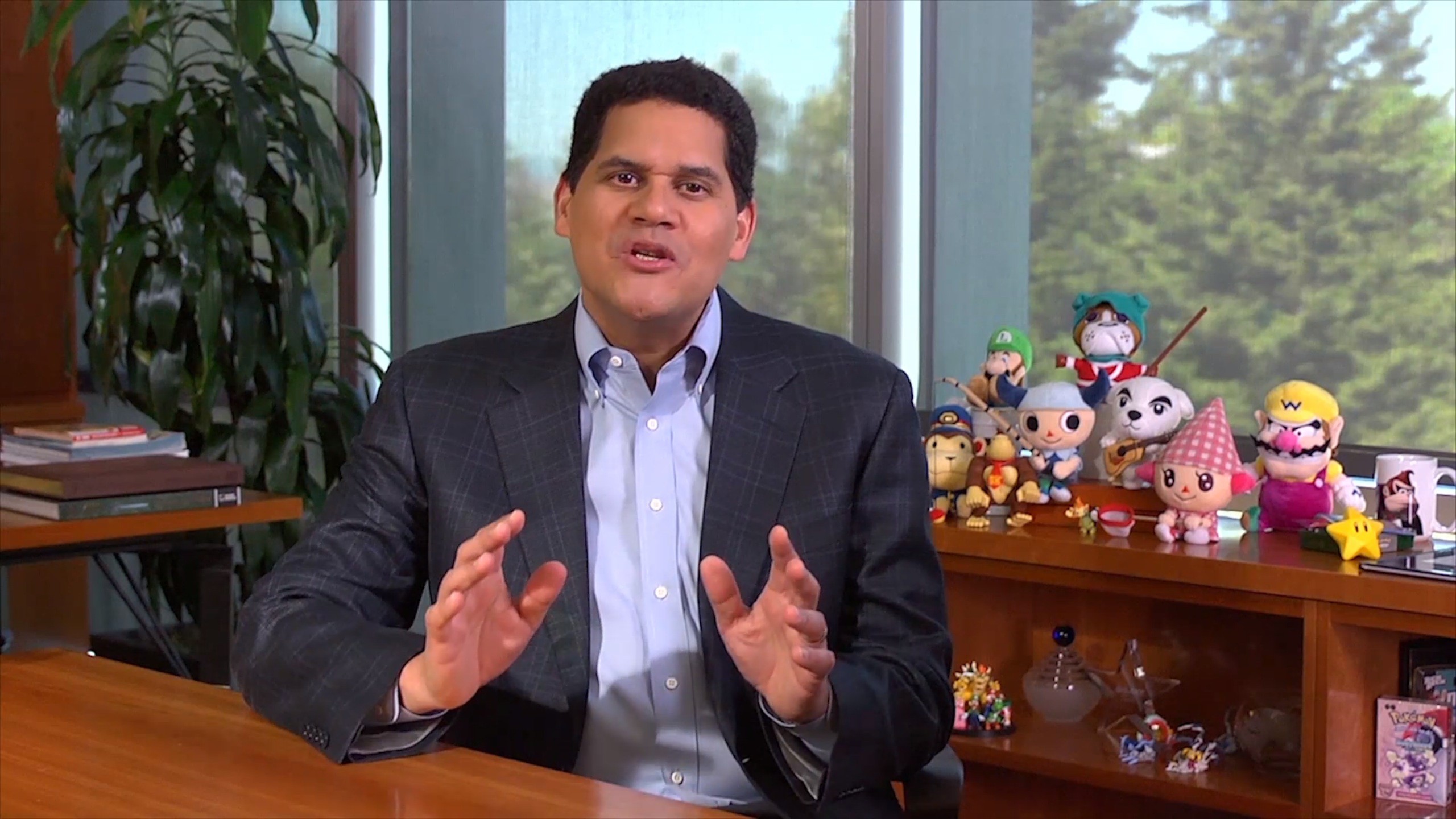
“It was not an apology,” said Nintendo of American president Reggie Fils-Aime. “It was not a statement about the content we’re showing, essentially it was an ‘I hear you’ message.”

The not-apology, the message, was a tweet sent out by Iwata seemingly in reaction to a tidal wave of negative online reaction to the company’s E3 Nintendo Direct this week.

One translation, by NeoGaf user Cheesemeister has Iwata saying this:

“Thank you for watching. We take opinions of this year’s Digital Event seriously and will work to better meet your expectations.”

But Fils-Aime says that translation isn’t exactly right and misses some of the context.

“Mr. Iwata is in Japan and what he’s trying to do is help explain to consumers in Japan what’s going on at E3,” he said. “The correct translation of his message was: ‘Thank you for your feedback. We hear you and we are committed to continuing to meet your expectations,’ was essentially his message.

Apology or not, it was certainly spurred by the reaction to the games and news Nintendo pushed out at E3.

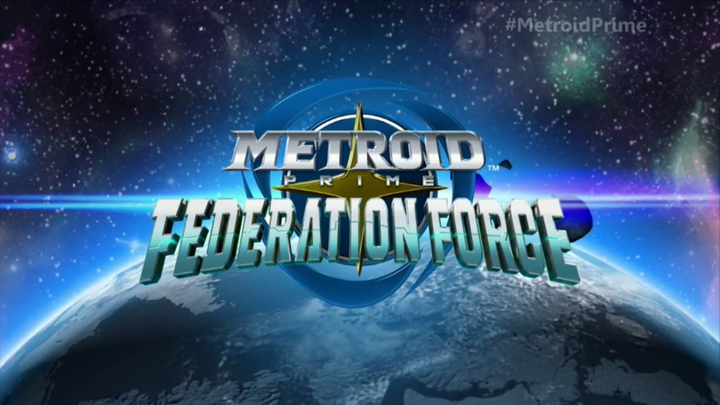
Many fans reacted with vitriol, either disappointed with what wasn’t said, or with what was. Nearly 12,000 fans signed a petition on Change.Org to try and convince Nintendo not to continue developing one of the newly announced games: Metroid Prime: Federation Force.

9e6db53bf8c934af0ce05b207f060d5d

But Fils-Aime seems unfazed by the reaction.

“One of the things I find interesting is that if you look at E3 historically for Nintendo, typically what happens is a press briefing happens or our digital event happens,” Fils-Aime said, “and then over the course of the next couple of days people see the games get to play the games and the appreciation and understanding of what we’re doing increases over those three days and continues to build into the holidays.”

Take for example Splatoon, he said.

Splatoon, a new sort of shooter unveiled at last year’s E3 based on an entirely new IP, didn’t receive an entirely positive reaction at the show. At least not initially.

“Splatoon is a game that people are loving right now, but if you rewind to E3 last year, Splatoon was being viewed as, ‘Yes, it’s innovative and it’s different, but the controls are a little hard and I don’t understand the mechanic of turning into a squid and going through the ink.’ There were all of these complaints. But now you look at the finished product and the satisfaction is huge.”

The key to Nintendo’s success, Fils-Aime said, isn’t just to make good games, but to help people understand why they’re good.

“For us, our goal is to make sure we announce the content, help people understand the content, but most importantly get hands on with the games,” he said.

That’s why Nintendo has programs like the one that delivers demo versions of unreleased games at Best Buys around the country or allows people to download early version’s of games on their Wii U to try for themselves.

“I haven’t heard the feedback (for this year’s Best Buy demonstrations), but I think the feedback is going to be quite positive because what we do is make great games and they show well and they really lead to consumer excitement.”