Archive for the ‘Opinion Piece’ Category

oculus-rift-crescent-bay-prototype

by Steven Tweedie

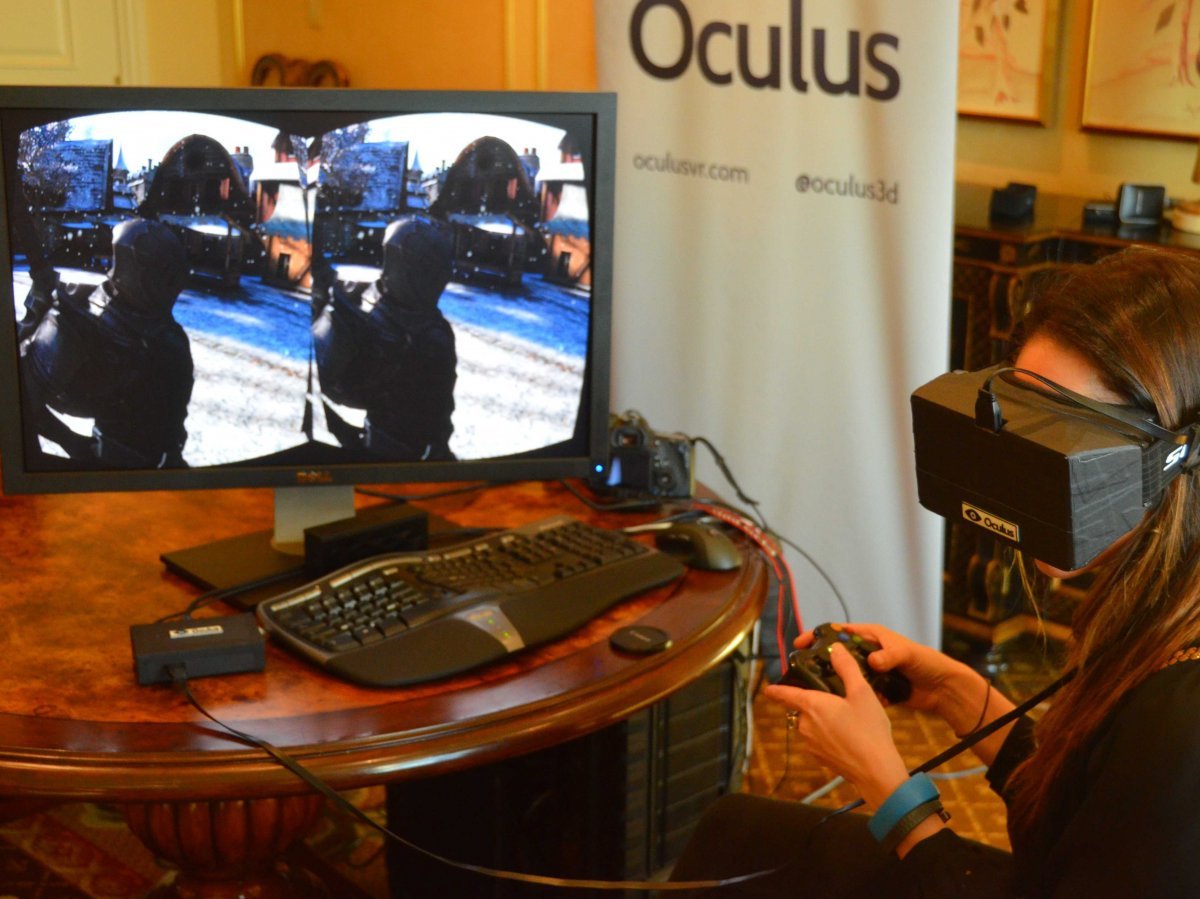
Oculus showed off its newest Oculus Rift prototype at this year’s Consumer Electronics Show in Las Vegas, and the virtual reality headset has an incredible new feature.

It’s called “spatial audio”, and it makes the virtual environments sound like you’re truly there.

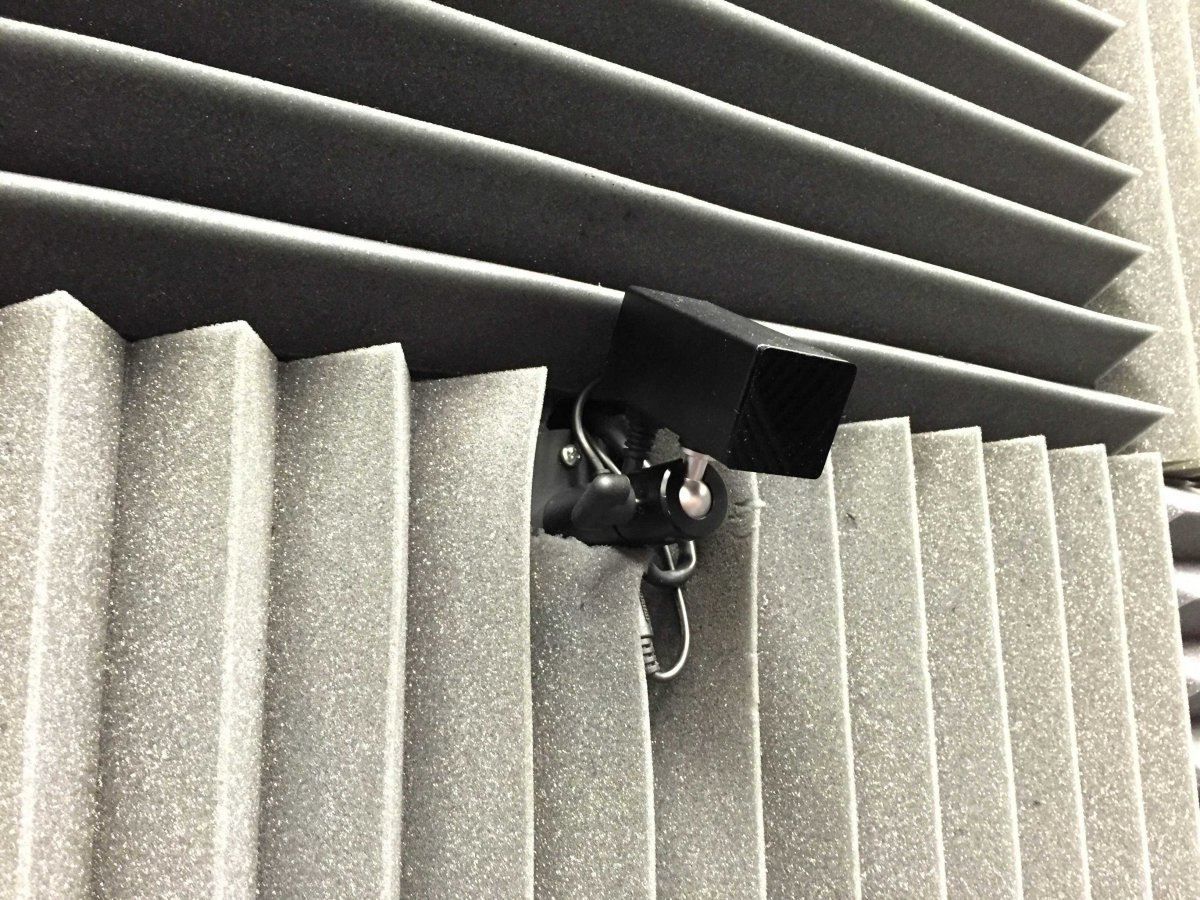
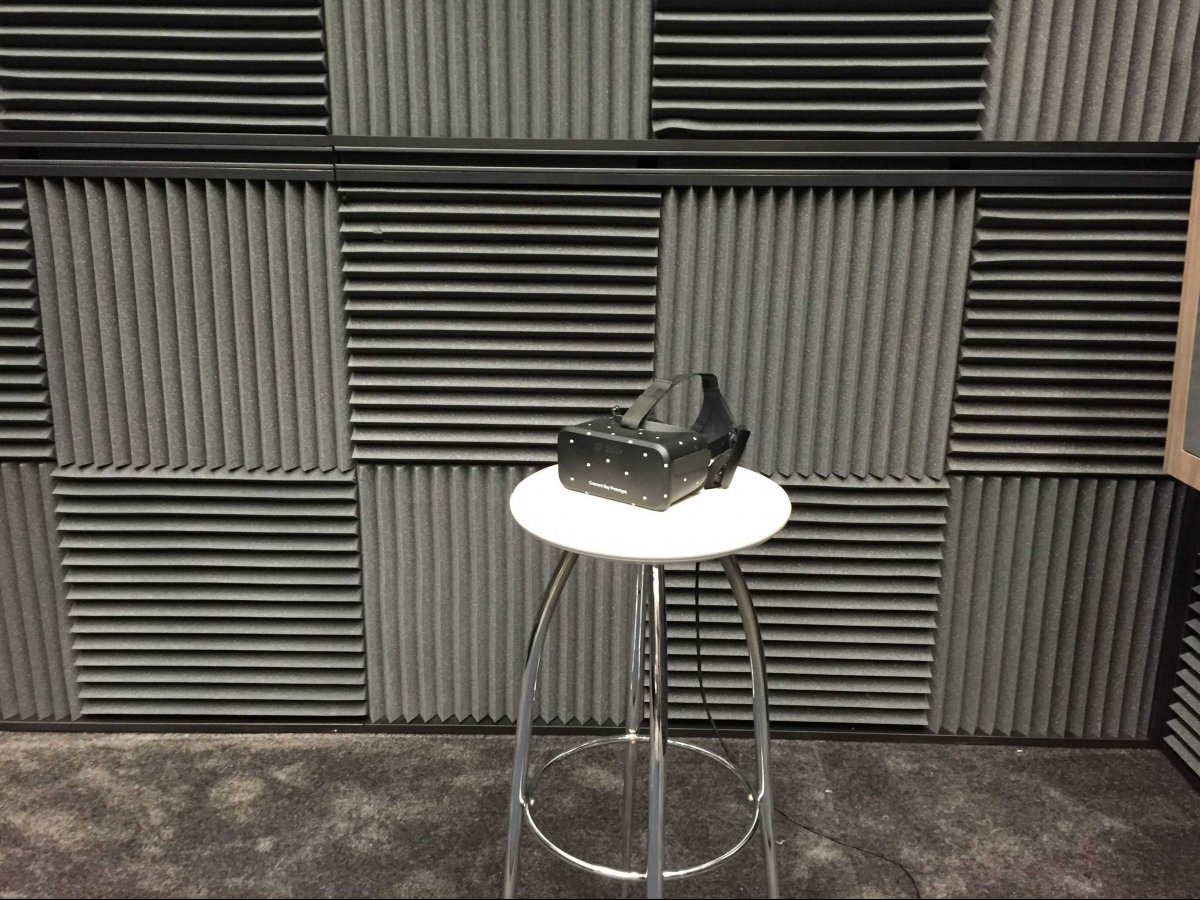
To test this new feature, I was ushered into a room padded with foam to allow for better acoustics.

Spatial audio is incredible: it means if a bird flies overhead in a game, you can hear its chirp travel from behind you, to over your head, and finally to in front of you. If you turn around, the audio responds accordingly. This only adds to the realism.

I got to try a version of the latest “Crescent Bay” Oculus Rift prototype that didn’t feature spatial audio last month at Business Insider’s Ignition conference. More than a month later, I got to try the same demos, but this time with spatial audio, and I can say it certainly makes a big difference.

In one demo created to show off what the spatial audio can do, two giant robot arms that look liked like they belonged in Elon Musk’s Tesla factory faced off in a battle using magical wands. The robot arms moved in circles around me, sending sparks at each other. Thanks to the inclusion of spatial audio, the sounds always matched the physical position of the robots.

If a noise occurred in front of me while I happened to be looking down, the sounds actually moved above my head, which is how it works in reality too.

img0778jpg

The best example of the Oculus Rift’s new 3D audio was during a tug-of-war between the two robots for a tiny, squeaky toy rubber duck. After trying to wrestle the duck from each others’ robotic claws, one robot arm grabbed the toy duck and flung it over my shoulder, and I was amazed at how the squeaks traveled from in front of me to directly behind me. I even found myself turning accordingly, just as you would if someone yelled something from a car driving by.

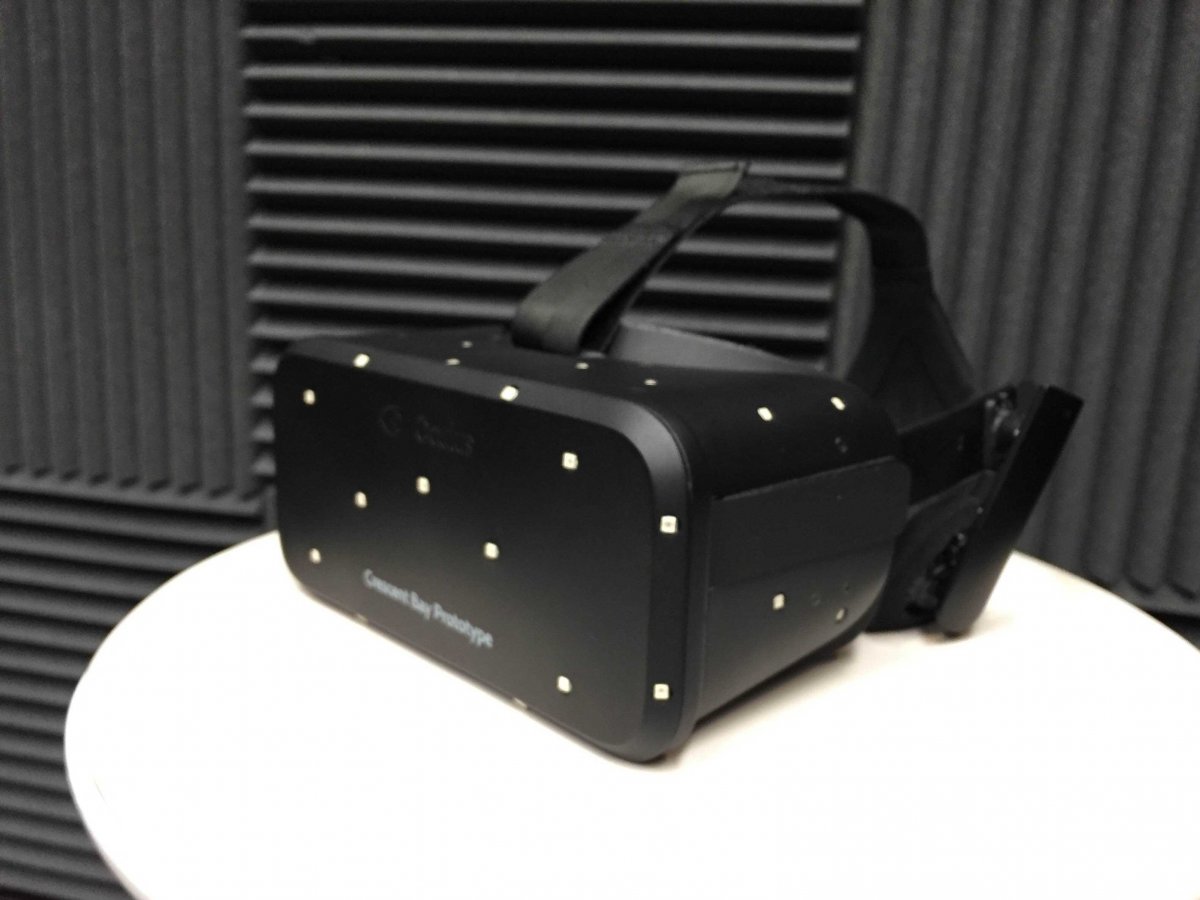
The Oculus Rift already has full positional tracking, meaning you can bend down, lean in, and walk around a small area. This is possible thanks to the new infared camera that tracks the headset’s position at all times using the dots on the front and back of the Rift.

img0775jpg

With your movements so closely tracked, tracking audio in the same way is the natural next step, and Oculus is also releasing its spatial audio software to developers so they can add it to their games for the Oculus Rift’s consumer edition launch.

There’s no doubt, however, that this was hands-down the best virtual reality experience I’ve ever had — and I’ve tried the last three virtual reality headsets Oculus has worked on.

This proves it takes more than visuals to trick your mind into truly believing you’re in a virtual environment.

Oculus is still being cagey on when the Oculus Rift consumer edition will launch, so unfortunately virtual reality enthusiasts will have to continue to play the waiting game for now.

Trust me, it’ll be worth the wait.

One_Image_That_Proves_How-6a5a7650afe1e09edc570f705f4bf9a3

by Steven Tweedie

Virtual reality is coming, and leading the charge is Oculus VR with its highly anticipated Oculus Rift.

But even after being acquired for $2.3 billion from Facebook earlier last year, the Oculus Rift still has its fair share of skeptics who are quick to say it will flop or that people aren’t interested in gaming with a headset strapped to their face.

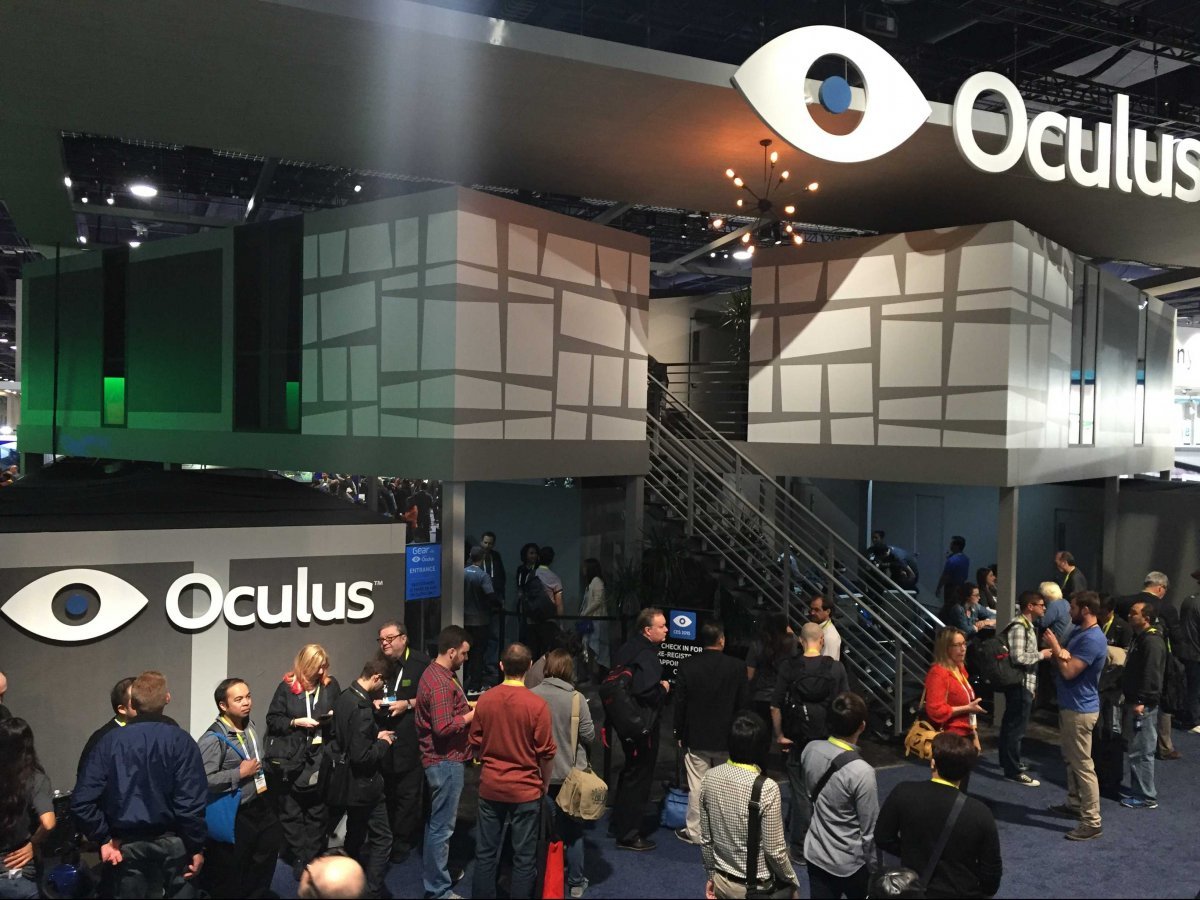
One look at the Oculus booth at this year’s Consumer Electronics Show in Las Vegas, however, tells a different story, and proves how popular the Oculus Rift has become.

Oculus had one of the biggest booths at CES this year. Its massive two-story structure housed multiple padded rooms where people could try the most recent prototype of the Rift.

It’s especially impressive when you look at where Oculus was just two years ago. At CES 2013, Oculus didn’t even have a booth. The team ran private demos from a suite at The Venetian, and it was pretty tiny compared to the towering booth this year.

One_Image_That_Proves_How-8ac12e9748af89d40c1279fce9e4a70f

Every time I walked past the Oculus booth while exploring the show floor, there was a line wrapped around the booth as people eagerly waited to try the Rift.

So regardless of what the skeptics say, the Oculus Rift is coming, and all signs are pointing to a truly enormous launch.

150105_GCLUB_INQUISITION_jpg_CROP_original-original

by Stephen Totilo

Laura, Chris, and Jenn—I merely asked if a great video game must impress us so much that we’d play it twice, yet now we have Chris and Laura rethinking whether a game they each gave 70 hours of their lives to was worth playing once. How perverse this medium is that those of us who love it are left wondering if it just gave us a great new experience or merely robbed our life of a few days. But it’s not the nature of a video game to be easily consumed, and some of the best ones spar with us. If a game makes me want to pull my hair out, it wasn’t necessarily a bad game. In fact, it might have been excellent.

Compare the other great forms of entertainment. Most music or literature, for example, isn’t designed to defy its audience, to require learning and skill and mastery to get to the end. Some great works do, of course. Most video games, however, do push back. They push back for the reasons non-gamers might expect: They can be full of tough bad guys who are hard to defeat, replete with races that are challenging to win, stuff like that. But they can also be tough the way that learning to use a new camera or computer operating system can be tough, because the interface is poor and in need of a new iteration next year. That, I believe, is the new Dragon Age’s problem. Here’s a game that plunges players not just into a fantasy word in need of saving—but into nests of confusing, counterintuitive menus that make upgrading one’s sword or mixing potions about as fun as defragmenting a hard drive.

There was much hubbub a few years ago about the ending of Dragon Age studio BioWare’s previous game Mass Effect 3. Many fans were incensed by what they felt was an insufficiently thorough ending, one they felt didn’t proportionately take into account the many decisions Mass Effect players had made across the trilogy of games. These fans complained, and BioWare eventually decided to release a revised, expanded ending—which spawned new complaints from fans defending the sanctity of authorial intent. I found the complaints about the complaints to be absurd. Developers have tweaked and patched and improved the gameplay tuning of games for ages—made this too-powerful gun less powerful, altered this multiplayer mode to make it more competitive—so why in the world would a video game’s story be beyond post-release tinkering? To say it was, I wrote at the time, would be to say that story was more important than gameplay, and we know how I feel about that.

All of which is to say: Let this serve as my call for BioWare to do a major overhaul of Dragon Age: Inquisition’s time-wasting menus. My God. If you’re going to “fix” Mass Effect 3’s ending, fix the menus of your new game, please. Dragon Age: Inquisition needs to feel a bit more like Game of Thrones and a bit less like Microsoft Excel.

One explanation for gaming critics’ zeal for small, polished indie games is that blockbuster games are still too often released in substandard states. A publisher the caliber of EA shouldn’t be releasing a game that has such bad menu systems as Dragon Age’s. EA wasn’t alone in that regard in 2014, nor was it even the worst. Major publishers regularly release games with poor interfaces, abundant bugs, and modes that, in the case of Microsoft’s and Sony’s twin fall debacles, Halo Master Chief Collection and Driveclub, respectively, are so busted that they eventually need to be apologized for. Perhaps this will be one of 2014’s gaming legacies: a year when blockbuster game publishers were embarrassed into exerting higher quality control, such that, come 2017 or so when we answer the siren song of a new Dragon Age, we will find a game that works well and doesn’t waste our time.

A final thought: I know that 2014 frustrated many people who love video games. In many ways it was a bad year, light on great games and heavy on unkind behavior. The year has certainly left its scars, but I leave you with what the year left me with: a wonderful discovery.

We may tolerate a fair amount of unpleasantness on this frontier of entertainment, but we also regularly turn the bend to discover new wonders. Late last month, for example, I discovered a mobile and tablet game called A Dark Room. Laura knows about it already. All of our readers should. It’s a game that treats graphics about as seriously as Chris’ beloved J.S. Joust … that in unexpected ways asks you to think about life and values in a manner Laura would appreciate … and that, for the sake of the Jenn Frank household, doesn’t require virtual reality goggles to enjoy. It is simple, beautiful, and occasionally disturbing. It is a gameplay game with a surprising amount of story to it. It is adapted from a 2013 Web-based game and is one of 2014’s best. Enjoy, Video Game Club. See you all in a year.

mario-kart-81
by Paul Tassi

As I expected, I played a lot of video games over the holidays with family and friends around, and also as expected, I played most of them on the Wii U.

While I’ve played games like Mario Kart and Super Smash Bros. previously, this was the first time I really got to experience them in full, surrounded by other people on my couch. It reaffirmed the notion that Nintendo has produced some of the best games of the year between those two and Bayonetta 2, and the narrative that Nintendo “won” 2014, a year full of otherwise unfortunate news in the gaming industry, holds true.

Nintendo has stepped up with their exclusives in a way Sony and Microsoft MSFT +0.43% haven’t this year. In the endless amount of top ten lists you’ll see littering the internet this time of year, you’ll easily see Mario Kart, Smash and/or Bayonetta on many of them. But if you find more than one or two Sony/Microsoft exclusives, I’d be amazed.

And yet, the argument for the Wii U still is not really an argument for the Wii U. It’s an argument for Nintendo and their ability to make good games. And in turn, that makes us circle back to an old debate. Why does Nintendo have to keep making console hardware?

I worry that 2014, good as it was for Nintendo, will be the year the Wii U peaked. The biggest games of any Nintendo console generation are almost always Smash Bros, Mario Kart and a new Zelda game, and we’re already at two out of three. Yes, Nintendo has many other well-known first party franchises, but those are the big trio, and after they’re out, it’s usually time to start looking ahead to the next system. With Zelda set to (supposedly) debut in 2015, that could be soon, and many are speculating that Nintendo will start talking new hardware shortly. I wouldn’t think this year, but maybe the next.

The way I see it, there are two ways Nintendo could go from here. They could come out with a new, solid piece of hardware that manages to catch them up to the PS4 and Xbox One in terms of power. Not because their current line-up of games looks particularly crappy on the Wii U, but because the relative lack of power combined with gimmicks like the gamepad have resulted in the Wii U losing almost all third party support. A system that could combine their stellar first party line-up with the cross-platform games Xbox One and PS4 share could be gamechanging, and kill the unfortunately true “released on everything but Wii U” meme.

But looking at history, I’m not sure how likely this is. For its last two consoles, Nintendo has been one step behind in terms of the power and scope of their hardware, and their lack of third party support is practically snowballing beyond redemption at this point. As much as I’d love to believe that Nintendo can magically produce a Super Wii that brings them to the generational level of the PS4 and the Xbox One, I’m not sure that will happen.

Rather, the other option is for Nintendo to simply focus on software for consoles rather than hardware. Because the third notion, making another unnecessary, underperforming console, in my eyes, isn’t an option.

I love Wii U games, but I still don’t understand the Wii U itself. From a purely technical perspective, it’s outright worse than its competitors, from horsepower to online capabilities to a hard drive that has less storage space than most of my USB sticks, and can hold about a game and a half before filling up. And that’s the larger version.

But past that, there has been nearly nothing to demonstrate to me why I am better off playing these great games on a Wii U rather than another system. The gamepad was supposed to convince me of this, pitched as a unique way to play, but instead, if anything, it’s a deterrent to the system and even Nintendo hasn’t made good use of it in the biggest games of the year.

When you tap the touchpad of the gamepad screen while playing Smash Bros, the match disappears and you see a simple readout of character portraits and damage percentages in its place, something that adds exactly nothing to the game itself, and actually takes away information. Mario Kart is a little better in terms of what it offers, a horn, a listing of who is in what place, and track map that shows where everyone is, yet it’s impossible to actually use. Looking down even for a half second to try and find data on the gamepad screen is an invitation to instantly hit a wall or wipe out in the game. In other words, trying to use the functionality actually prevents you from performing better in the game.

cff25da1d55e57fc5e14faa16f17a3e2

Past that, the gamepad has missed out on opportunities that should have been slam dunks for the concept. A Pokemon Snap reboot where the gamepad is used as a camera seems like a no-brainer, but a few years into the console’s lifecycle and we haven’t even heard rumors of such a thing. A third party game like Watch Dogs, where the central character uses a touchscreen to do most actions, still only relegated the real-life touchscreen of the gamepad to be mostly a glorified map.

Rather, what the touchscreen seems to do better than anything is drain battery life, as a constantly unplugged, lit-up device like that is bound to have a short fuse. For every one time I charged my Wii U Pro controller, I probably had to recharge my Gamepad four times. In general, the Wii U is incredibly controller-confused, allowing players to use two new-gen controllers, the Pro and the Gamepad, last gen Wiimotes, and now even last-last gen Gamecube controllers through an adapter. Some may appreciate that level of diversity, but to me it just makes the console look messy, and helped to contribute to the initial confusion about whether or not the Wii U was a new console at all. Even as late as last week, I found out I had a game-playing friend who thought the gamepad was originally sold as an accessory to the Wii.

The only real advantage I see for the gamepad is offscreen play when someone else wants to watch TV or play a different system. But outside of that? The point is that without a technically better system, and without gameplay gimmicks that actually contribute to games in meaningful ways, there is just no reason for the Wii U to exist. Nearly every point in its favor has to do with Nintendo continuing to make good exclusive games for it. That’s great, but again, doesn’t do anything to convince me that Nintendo wouldn’t make a hell of a software-only company unbound by lackluster hardware.

The original Wii succeeded because its gameplay gimmick worked. It was indeed a novel concept to swing a Wiimote like a golf club to hit a virtual ball, and the console quite literally became an explosive fad on the back of that tech (albeit a shallow system overall, in my opinion). And with Nintendo’s handheld scene, they’re in a different market position given that their only straight competition is tablets and smartphones, with the Vita barely making a dent comparatively in the space. But the Wii U, with its unnecessary gamepad and 3rd party desert, is being held afloat by a scarce few games alone, with almost no argument at all to be made for the hardware itself.

I don’t understand the comparisons to SEGA whenever this conversation comes up. While it’s true SEGA has fallen a long way since it made consoles, that decline is not directly attributable to their lack of hardware, nor is it a company that can be directly compared to Nintendo. You’ll be hard pressed to name more than one or two truly great SEGA franchises, but you can rattle off a dozen of Nintendo’s with ease.

In this day and age it seems like a tough sell to ask consumers to shell out for a technically inferior console whose sole benefit is the fact that it plays an exclusive strain of games. For as much as I enjoy my time with the Wii U, I can’t say I also wouldn’t enjoy playing Mario Kart or Bayonetta on PS4, a console which could then also play Far Cry, Dragon Age, Mordor, Wolfenstein and the rest of the GOTY top ten. The Wii U exists best as a supplemental system, and in a crowded market where a double console purchase is a hefty proposition, that’s not really a place you want to be.

Maybe I’m wrong. Maybe a handful of solid Nintendo games is enough for those who pick up a Wii U, and the console has moved 7M units to date (to PS4′s 13.5M, with a year’s head start). But for as much fun as my friends and I had while playing Nintendo’s best games these past few weeks, when I asked them if they’d think about buying a Wii U or swapping their PS4 or Xbox One for it, they said no. As much fun as the games were, there were just too few of them released too infrequently, and they were downright stunned when I told them the Wii U had now completely lost major franchises like Call of Duty and Madden altogether. A certain level of third party support was just assumed, but many may not realize how bad it’s gotten.

I hope that Nintendo pulls together to release some kind of Super Wii console that is the best of all possible worlds, but I’m not sure that they can survive another lackluster console like the Wii U, which is only classified has having “won” the year on the backs of its exclusives alone. But the hardware itself is behind the times and an unnecessary hindrance to a wider audience enjoying Nintendo games.

I’m not sure what 2015 will hold for Nintendo, but I do know Microsoft and Sony will be stepping up their exclusives game between Halo 5, Uncharted 4 and so on. As always, I want Nintendo to succeed, but I think they’re becoming further and further isolated in an industry that’s increasingly reliant on collaboration and finding as wide an audience as possible. I’m not sure hardware is required for that, when Nintendo’s greatest strengths are so clearly rooted in software.
candy-suxx-gta-vice-city

by Philip Wythe

As Grand Theft Auto V approaches a Steam release, gamers have continued to question whether the series will implement a female protagonist. Some fans have argued for a Bonnie-and-Clyde storyline, while others still believe the series should only have male protagonists. This week, we explore some of GTA’s history with female characters, and how a female protagonist would fit well for the open-world franchise.

In early 2015, Rockstar Games is scheduled to re-release the immensely popular Grand Theft Auto V onto PC. Rockstar’s long-awaited Steam version features a brand new first-person view, which utilizes high-end graphics in order to portray Los Santos and Blaine County with immersive detail.

However, GTA V’s PC release follows only shortly after a much larger debate in the gaming industry about GTA’s misogynistic content, after an anti-sexual violence petition led Target Australia and Kmart Australia to pull the game from stores shelves. While some gamers protested the decision, writers such as Polygon’s Colin Campbell have simultaneously rejected in-store removal, while defending the original petitioners’ concerns about misogynistic content.

GTA’s relationship with women has indeed been an ongoing issue over the past two decades. Last year, The Guardian’s Matt Hill hosted an interview with Rockstar Games’ co-founder and head writer, Dan Houser, in which Hill asked Houser about the lack of a female protagonist within GTA V. Houser originally responded, “The concept of being masculine was so key to this story,” disappointing many gamers hoping for a female protagonist.

Houser later expanded on Gamespot, stating, “… it’s one of the things that we always think about.” He argued that a female protagonist “didn’t feel natural for this game,” suggesting that a woman player character was “definitely for the right game in the future–with the right themes, it could be fantastic.”

Indeed, gamers have been wondering for ages whether Rockstar will finally design a female protagonist. The original Grand Theft Auto, released in 1997, featured four women playable characters – each from a variety of races and ethnicities. Since ‘97, the series hasn’t returned to women protagonists at all. And, as GTA V has reintroduced multiple protagonists into the series, many fans were disappointed to find that all three player options were male. Although Michael, Franklin, and Trevor are interesting and complex characters, the lack of gender diversity felt jarring.

When Houser notes that a female protagonist needs to “feel natural for [the] game” he’s largely correct. The right game requires the right protagonist, and creating a game setting which organically supports the player character is important for a strong narrative.

Yet, as GTA’s writers and developers have moved onto more mature and serious narrative themes, Grand Theft Auto certainly feels long overdue for a strong female protagonist. Rockstar’s 2004 rendition, Grand Theft Auto: San Andreas, took a critical view at Los Angeles gang violence and police corruption in the early 1990s. And 2008’s GTA IV touched on American socioeconomic class, wartime trauma, and class mobility in New York life.

Some fans have argued in the past that a woman protagonist would not necessarily “fit” into Grand Theft Auto’s world, suggesting that male protagonists are integral to GTA’s atmosphere and story. However, Grand Theft Auto’s core narrative themes – ambition, power, socioeconomic class, and cultural satire – are thematic concerns which a variety of female characters explore in the series alone. In GTA IV, socioeconomic oppression deeply affects Roman Bellic’s fiancé, Mallorie Bardas, who has a sexual affair with Russian mobster Vlad Glebov in order to settle Roman’s mafia debts. And women characters such as Candy Suxxx and Mercedes Cortez have examined sex work, and satirized the pornographic film industry in the process. Indeed, Grand Theft Auto’s maturing view at American society and culture means the series must seriously tackle women’s experiences in the American criminal world.

The idea of a female protagonist is not particularly foreign to fans, either. For years, gamers have been wondering whether a female protagonist would enter the series – and how she would appear. Some fans have suggested that a former sex worker would be an interesting protagonist; others note that an ex-FBI agent, military veteran, or police officer would provide an interesting backstory. Another recurring suggestion among fans is a Bonnie-and-Clyde storyline, between a male and female bank robbing couple. This idea seems to fit perfectly alongside GTA V’s introduction of multiple player characters, and even harkens back to GTA 3’s main antagonist – Catalina, leader of the Colombian Cartel, and ex-girlfriend of protagonist Claude Speed.

Likewise, GTA’s audience isn’t universally masculine. According to NPR, approximately 15% of GTA V’s fans are women gamers. Writers for Jezebel and Mashable alike have praised the game’s core gameplay, while also simultaneously critiquing its representation of women. Grand Theft Auto certainly does appeal to women gamers, and feminist critique of the series largely rests on its presentation of women characters – not, per say, its sprawling open-world gameplay. After all, a variety of open-world games with women characters – such as Saints Row, Assassin’s Creed Liberation, Fallout, Dragon Age, and DayZ – have been applauded for their engaging gameplay and freedom of choice, whether good or bad. Feminist concerns with GTA lie specifically with the series’ characterization and representation of women, not the game’s freedom of choice.

Needless to say, adding a woman protagonist into GTA VI does not inherently fix the series’ ongoing issues with misogyny – of which, might I add, would take an entire separate article to discuss. Indeed, many critics have noted that GTA V has serious problems with sexual objectification, transphobia, transmisogyny, shallow female characterization, male-dependent character relationships, and misogynistic humor that punches downwards onto marginalized genders. Among a plethora of other concerns.

Yet, a strong female character would be the right step for the series, and would demonstrate that the studio is working more towards creating satirical narratives that have an active role for women characters. Indeed, Rockstar’s writing team has constantly shown that they are capable of writing complex and nuanced male characters who deal with serious social, cultural, and political themes within the United States. So why not complex and nuanced women protagonists, too? Ultimately, a strong female protagonist is important for GTA’s future – the real question is whether Rockstar is up to the task.

PS5

by Giuseppe Nelva

With every generation of consoles, there’s always someone prophesying that it will be the last. At least according to Sony Copmputer Entertainment Executive Vice President Masayasu Ito, there will be a “next generation” for PlayStation, as he told to the online version of the Nikkei Shinbun.

“I think there will be a PS5. However, I don’t know what form it’ll have. It could be a physical console, or it could be in the cloud.”

“But even if the form might change, PS5 Games will be born. This is what we want.”

It’s reassuring to know that Ito-san is confident in the fact that this generation won’t be the last, even if it’s probably too early for Sony to know for sure what form it will have.

Personally, I definitely think that there will still be physical consoles in the next generation, including the next PlayStation. I seriously doubt even in ten years from now phone lines worldwide will be efficient enough to support major platforms fully based in the cloud, but the powers that be will ultimately be the ones making the final call. Gamers will vote with their wallet.

mario-christmas

by Paul Tassi

In the next week or so, there will likely be many articles stacking up the three major consoles, the PS4, the Xbox One, and the Wii U, comparing price, features, graphics, games and so on as you try to understand which one to buy for someone (or yourself) this holiday season. I may even write a few of those articles myself.

And yet, I think there’s only one console that just really screams “Christmas morning” to me, and that’s Nintendo’s Wii U.

If we were doing one of those handy comparison charts, the Wii U has plenty of significant disadvantages when placed next to PS4 or Xbox One. It’s essentially a last generation system in terms of horsepower, with graphics matching what we’ve come to expect from the PS3 and Xbox 360, but lagging behind the newer versions of those systems. And recently the console has seen a nearly complete collapse in 3rd party, non-partner support. While Nintendo still have connections that lead to joint projects like Bayonetta, 3rd party staples like Call of Duty, Madden and Assassin’s Creed have fled the system for good, and new hits like Destiny or Dragon Age will likely never make it to the console.

It’s a combination of these factors that leads to continued speculation that Nintendo would be better off in the software business, putting their well-received first party games on other consoles, and becoming an enormous software powerhouse without console hardware on their mind.

While I’m not totally opposed to that notion (and have even supported it from time to time), this is the time of year when I remember why it’s important Nintendo’s hardware still does exist. The Wii U is the only gaming device on the market that directly encourages local multiplayer, and the best games for the system are ones played with friends or family sitting next to you, not playing on their own console across town or across the country.

As such, when millions of Wii Us are opened Christmas morning (or handed out for Hanukkah), it’s really the only console a family can get which can be set up and have the whole gang playing in practically minutes. Older games like Nintendoland and New Super Mario Bros. U, or newer hits like Mario Kart 8 and Super Smash Bros. for Wii U were all designed to be played in groups. On Christmas, parents can play with kids, siblings can play with each other, friends can come over for holiday parties and play the new system. At a time where everyone is together, the Wii U is effectively the only console that can facilitate that. The PS4 and Xbox One can be plug-and-played as well, but it’s largely going to be a solo experience depending on the game.

Split screen gaming and local co-op isn’t completely dead. There’s definite fun to be had with a few Kinect dancing titles, and games like Call of Duty: Advanced Warfare have slid in split screen to at least one of its modes. And yet, that grand sense of local co-op community is inarguably the best on Wii U, where  everyone uses an assortment of increasingly ridiculous controllers from the Gamepad to the Wiimote to the Pro controller to now even decade-old Gamecube controllers.

Perhaps this is some amount of nostalgia talking, but it made me sad when I grew up and Sony and Microsoft MSFT -3.11% seemed determined to leave local co-op behind. Instead of having a friend over to play a game, I had to send him home to play on his own console over PSN or Xbox Live. When my gaming enthusiast friends would come over, there was little to actually do with the newest games we’d bought unless they’d brought their own console and TV with them. The only games we could actually play together were old ones like Halo 3 or one of the past Smash Bros. installments. Now that’s worse than ever, and local co-op is all but completely dead other than in a few multiplatform series like Borderlands, but most of the time its either stuck into a specific mode (COD’s Exo) or it simply doesn’t exist at all, even in games that encourage co-op (Dragon Age, Far Cry).

Obviously you don’t buy a console just for Christmas morning, so there’s plenty more to consider, but until Sony or Microsoft truly grasp the concept of family gaming and local co-op with friends, Nintendo is going to occupy a welcome niche in the console market, graphics and 3rd party support aside. I think it’s going to be a good holiday season for the Wii U, and its unique position in the market will help it stand out from nearly identical competition.

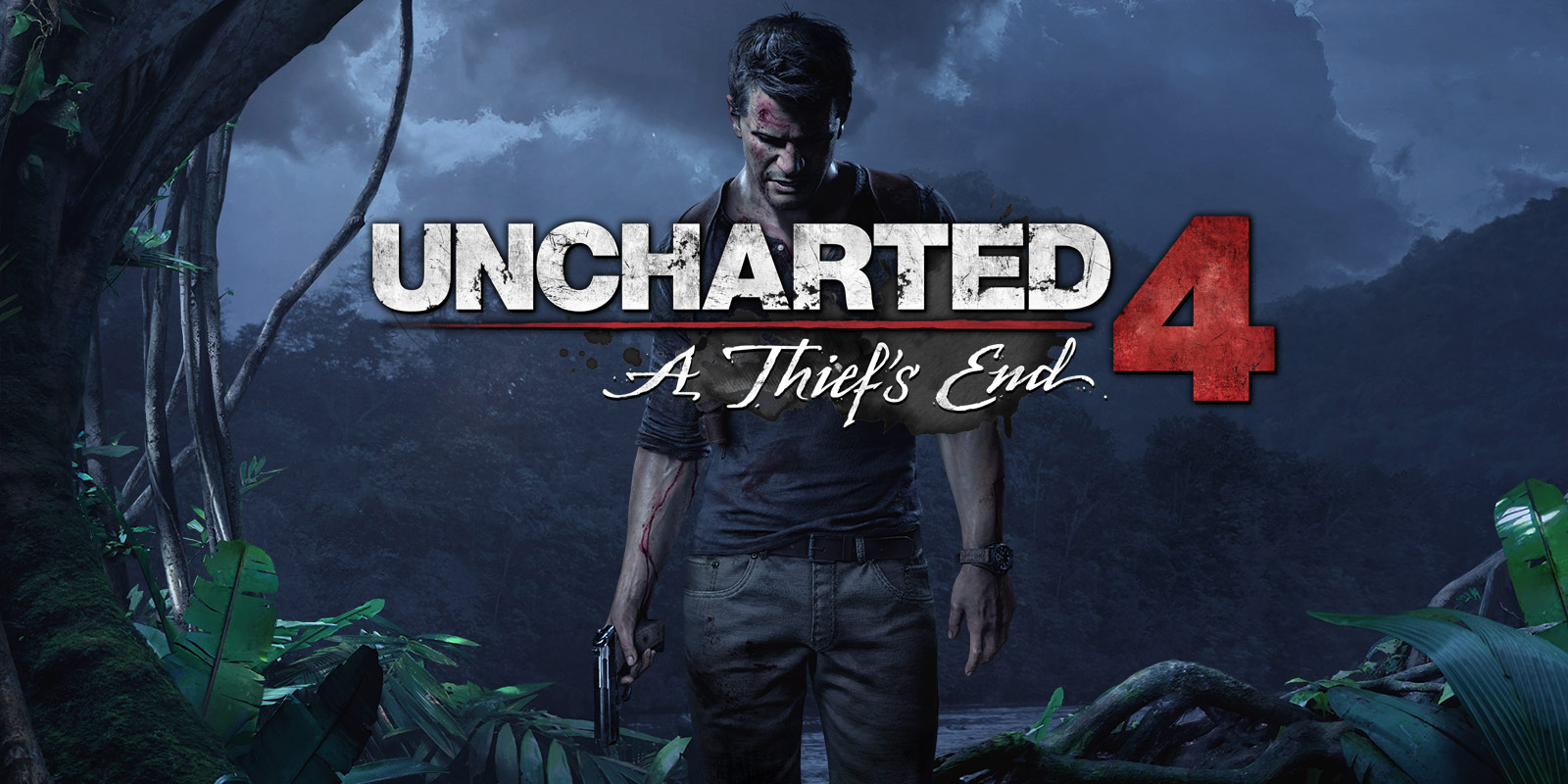
uncharted-4-a-thiefs-end-listing-thumb-01-ps4-us-09jun14

by Spencer Campbell

Transparency isn’t the norm in video game press conferences, and in some ways it’s for good reason. When games are shown for the first time, they’re often far from being finished, so laying everything out on the table for consumers to witness would be to the game’s detriment. But sometimes morals get muddy when it comes to press conference transparency — for example, Ubisoft’s Watch Dogs premiere.

E3 2012 generated a metric butt ton of buzz, but no game created more of a clamor than Watch Dogs. The slick graphics and fast gameplay impressed many outlets across the web, winning it many Best of E3 awards without even being playable on the showroom floor. Then more details about the game were released.

It became obvious that Ubisoft was less than honest about how great their game looked. At first, graphical comparisons between the E3 video and later released gameplay videos revealed lower quality textures, weather effects, and lighting. Then, claims of 1080p and 60 fps were dropped until eventually we were left with a game that looked and played middlingly at best. Watch Dogs wasn’t a life-changing, game of the year bombshell. And that would have been fine, if it hadn’t been for the dishonest E3 trailer back in 2012. We were all promised an impressive experience that had to be delivered via a fan made mod for PC after release.

Which is why I’m unabashedly happy that Nathan Drake fell through the game world during the gameplay demonstration at the PlayStation Experience. Since the reveal and subsequent disappointment of Watch Dogs, I’ve been incredibly wary about submitting to any hype caused by trailers, but I’m not afraid to be excited for Uncharted 4. Nathan Drake falling infinitely into the abyss showed a devotion to transparency from Naughty Dog. By showing off a game that was a little rough around the edges, the development team was saying what their game “will be.” The utter perfection surrounding the Watch Dogs trailer showed off what that game “could be,” and ultimately wouldn’t live up to.

Bringing someone on stage to play a live demo is risky. It’s usually reserved for motion controlled games to prove that, “Hey, it really works, I swear,” and even then sometimes it doesn’t, and it’s never looked good. It wreaks of desperation, but the Uncharted 4 demo was less about alleviating players’ doubts and more about the developers letting their work speak for itself. And on that fateful day, December 6th, Uncharted 4 decided to poop the bed.

The fact that a developer as big as Naughty Dog took a risk and trusted their product not to mess up shows a pronounced confidence that a prerendered video, no matter how perfect, could never bring.

PlayStation 5: What To Expect?

Posted: December 1, 2014 in Opinion Piece

by Christopher Morris

Despite leading this console generation Sony will already be considering its next video gaming move

While it hasn’t been the best time for Sony Corp financially, with its mobile phone division posting massive losses, one crumb of comfort for the Japanese corporation has been the success of its PlayStation 4 video games console. Sony seems to have hugely benefited from really listening to what consumers wanted with this eighth-generation video games console, and has been rewarded by outselling Microsoft Corporation’s Xbox One system by a ratio of nearly 2-to-1 worldwide.

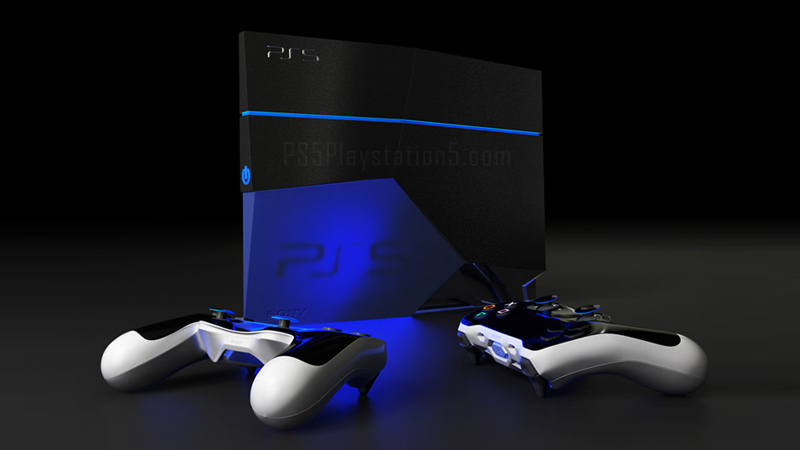
Playstation-5-PS5

PlayStation 5: Staying ahead of the curve

But Sony will not be sitting on his laurels, and in a marketplace which is as fast-moving as video games, staying ahead of the curve is always absolutely essential. Just ask Sega; within a matter of a few years the now video games developer went from being an absolutely major player in the video games console manufacturing market, to being eliminated from it completely due to the failure of the Sega Saturn and Dreamcast consoles.

Thus, Sony will already be thinking about when it will introduce the PlayStation 5. In the video games market, whether or not you produce a sequel to an existing console is pretty much dependent on market forces. But the success of the PlayStation 4 guarantees that there will be a PlayStation 5. Although cloud-based gaming and other technology such as Valve’s Steam Box has suggested that the console’s days may ultimately be numbered, at this point in time it doesn’t look as if this will develop fast enough for the eighth-generation to be the death knell for consoles.

PlayStation 5: Death of the disc

Additionally, both Sony and Microsoft appear to have plans for the next generation of video games consoles which will enable their devices to remain relevant. There is already speculation that both the PlayStation 5 and whatever Microsoft decides to name the next Xbox in its range, will ship without a disc drive. The death of physical media has of course been predicted for many years, and usually prematurely! But with Internet speeds increasing, and obvious incentives for video game developers to phase out the old-fashioned disc, it is possible that the PlayStation 4 might be the last Sony console to accept physical media.

In-line with this, Sony might be looking to develop and improve its online services, including its PlayStation Now technology. At this point in time, broadband speeds don’t really seem to be sufficient to support cloud-based gaming, or any form of gaming which is completely reliant on streaming over a server. But these will actually increase in the near future, and eventually it does seem inevitable that disks will be defunct.

It is also thought that the PlayStation 5 will launch in a relatively short period of time into the future compared with previous console generations. There are several reasons for this, not least the disk dilemma, but another major consideration is the fact that both the PlayStation 4 and the Xbox One just aren’t all that powerful.

Unquestionably, the Sony PlayStation 4 provides a significantly improved gaming experienced over the PlayStation 3. It can quite simply slickly carry out all of the tasks that the PlayStation 3 used to struggle to deal with. But its spec and capabilities don’t really compare to a high-end PC, and of course computers will develop further in terms of internal specifications in the coming years.

PlayStation 5: Dealing with 4K

Although the PlayStation 4 is theoretically able to deal with 4K video, in reality this is a physical impossibility. There is no way that the processor in the PS4 will ever be able to render 4K content in an acceptable fashion. So as this becomes a more prominent resolution, it is possible that content produced by the PS4 will look increasingly dated.

Additionally, the ability of the PS4 to deal with the Project Morpheus virtual reality technology that Sony is currently developing will obviously be considerably less than that of PCs. The Oculus Rift project could leave Morpheus looking rather pale by comparison, and this will be a major consideration if virtual reality gaming takes off in the next few years.

So when we consider the make-up of the PS5, these trends and issues will be strongly reflected in its portfolio of features and specifications. Firstly, we can expect the PS5 to launch in around 2020. It is possible that the device may even hit the stores before then, but this generation of consoles can expect to be replaced in around 5 to 6 years.

Features in the PlayStation 5 will very much reflect the world it will be coming into. This could be a cloud storage-based console with no disc drive, which is APU driven. The ability of the PlayStation 5 to deal with 4K video will be absolutely key, and thus the dedicated graphics chips and processor included in the device will be mega-powerful. This will also assist the ability of the console to deal with virtual reality.

By the time 2020 comes round, gaming and consoles could be very different beast from what we’re accustomed to.

Screen_Shot_2014-07-14_at_3_29_52_PM__2__0

by Ben Kuchera

The idea that Ubisoft somehow didn’t know the condition of Assassin’s Creed Unity doesn’t just strain credulity, it snaps it in two and then sets the pieces on fire. The game’s issues are blatant, and extensive. The manipulation of review embargoes adds an extra layer of shady behavior to the situation.

So that’s the context of the “free” DLC that’s being offered, or a free game if you purchased a season pass. A company shipped a broken product, it used the embargo system to delay the news hitting, and are now offering more content for that game as a sort of apology. And that free game? It costs them next to nothing to open up their catalog as a way to try to make good on the horrific launch of Unity. The worse Ubisoft will suffer is a few lost Far Cry sales.

We have to stop giving them a free pass

The system has become exceedingly stacked against the early buyer. We’ve passed the point anyone is trying to hide it. The fact that Ubisoft thinks it can get out of this situation so cheaply isn’t a contrite apology, it’s a victory lap. It’s up to consumers to figure out how badly this behavior will hurt companies in the future, and free DLC is a woefully inadequate first step to making this right.

Here’s an apology that would matter: A way to return the game for a full refund, and a direct apology to players along with an explanation for how and why this happened.

That’s not going to happen however, because money. Refunds would mean dealing with retailers and Uplay, Ubisoft’s own digital distribution platform, states its rule simply: “All sales on PSN, Mac and PC digital content are final.”

It would cost time and money, and it would have to note that it shipped a broken game on notes to investors, and then describe the cost involved in actually treating its customers with respect. These things are unacceptable to a business focused on the bottom line.

Instead of taking steps that would matter, Ubisoft is going to offer warm platitudes and free content for people who paid $60 or more for a game that everyone but the purchaser knew wasn’t likely to work. If you want to know why players and the press don’t often trust big publishers, this could be exhibits A through Z. The entire system has been manipulated to hide the fact the game was broken, and Ubisoft is trying to make up for that dishonesty in the least expensive ways possible.

If there’s any silver lining in this situation, the free game selection is pretty great, including Far Cry 4 and The Crew.

Publishers need to stop tip-toeing around their own failures, and offering for-pay content for a broken game for free isn’t a great way to repair the relationship.

Video games are the only business where you’ll often hear industry insiders talking about how buying at launch is a good way to support the studios behind the games. This leaves out the fact that returning an opened game is all but impossible, and broken games at launch is close to becoming the rule rather than the exception.

This isn’t about Ubisoft, it’s about an industry that’s becoming increasingly comfortable selling non-working products to buyers with little to no recourse. Read Ubisoft’s post about the free content, they describe this issue as if it something that happened to them, rather than the result of the company’s own actions.

I’m also looking at you, Microsoft. The Halo situation remains unacceptable.

If anything, this is another painful reminder to stop pre-ordering games, stop buying games at launch, and for the love of god don’t buy season passes for content that may or may not be worth your money. Ubisoft needs to stop treating its customers with this level of disrespect, and it needs to start now.