Archive for the ‘Opinion Piece’ Category

nintendo-NX

by Tim Maison

During the Nintendo press conference in which president Satoru Iwata revealed Nintendo would be teaming up with DeNA, a Japanese mobile gaming company, to produce mobile content featuring Nintendo’s characters as well as develop a new, multi-platform membership service to replace the currently presiding Club Nintendo, Iwata hinted at the Big N’s next console.

As Iwata explained, Nintendo has far from lost its vision concerning “dedicated video game systems.” “As proof,” Iwata insisted, “let me confirm that Nintendo is currently developing a dedicated game platform with a brand-new concept under the development codename ‘NX.’” Little more information was teased about “NX” outside of the fact that it will be included in the membership service Nintendo and DeNA are developing and that more information will be given next year.

None of this is news, though, so why another article? Simple, with so little information given, its unclear whether “NX” is Nintendo’s next home console, portable console, or something else entirely, despite the massive assumption that this is the successor to the “failed” Wii U. Let’s look at ALL of the facts. The “NX” is presumably going to be revealed at E3 next year, exactly five years after the reveal of the Wii U and potentially released a year later, again following the pattern of the Wii U. So has Nintendo “given up” on the Wii U?

Not at all. Should “NX” be the Big N’s next home console, that would be a five year lifetime for the Wii U, which perfectly aligns with Nintendo’s usual new console release schedule. Don’t believe me? Look at the time span between the SNES and the N64, and then the N64 and the Gamecube, and then the GameCube and the Wii. All of these consoles were in the spotlight exactly five years before the next console came out. The only exceptions to the rule are the first of Nintendo’s home consoles, the NES, at six years, and the most recent, the Wii, whose staggering sales and success probably extended its lifetime to seven years. So why all the doom and gloom surrounding the mystery shrouded “NX”? Even if industry standards dictate longer lifetimes for consoles, Nintendo has proven time and time again that it marches to the beat of a different drum and they’ll do what works for them.

A lot of the fear and frustration permeating around the platform seems to be the term “brand new concept,” that the “NX” is already toting, especially when many consider the primary “gimmick” of the Wii U a failure. The opinion is out there that the Wii U’s GamePad is underused and adds little value. This is not only untrue, it is also an unfair argument. To begin with, some of the GamePad’s brilliance isn’t in operating as a necessary second screen (which it has succeeded in in several titles), but in acting as the primary screen for the console. Am I the only one who has a wife that wants to watch Netflix on the TV while I play Mario Kart, Smash Bros., or any number of games? Or what about secret playing during holiday family movie nights when mom gets to pick the movie? Utilizing the gamepad as a controller and TV simultaneously not only has its uses, but is pretty fun to boot. Bring in the argument that the gamepad comes equipped with a standard headphone jack, and you are set up for complete surrounding disengagement!

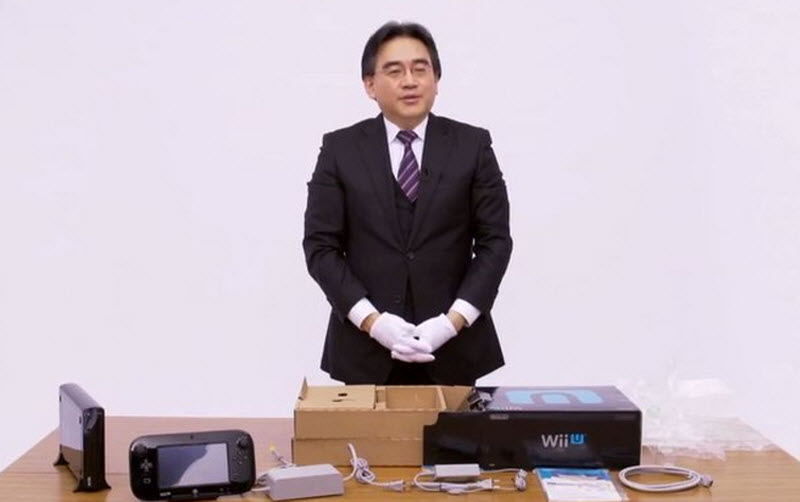
Miyamoto-Wii-U-970-80

The argument is unfair in that many of the Wii’s biggest hits underutilized the motion controls (The Legend of Zelda: Twilight Princess, Super Mario Galaxy, Super Smash Bros. Brawl) and no one called foul, while a lot of the titles that utilized the motion controls best came late in the Wii’s lifetime. The fact is, the Wii U is only two-and-a-half-years-old, and we’ve yet to see what the console can really do. One simply has to look back at The Legend of Zelda: Skyward Sword to see a late console entry making full use of the console’s concept, the Wii’s motion controls, and overcoming its graphical limitations by generating a gorgeous, impressionist art style thus fully demonstrating both what the Wii was capable of. While the Wii U has a lot of wonderful games, it hasn’t quite found that title yet, and until I’ve played Zelda Wii U and several of the other titles slated for release this year, I will hold off harsher judgment.

It also seems unfair to criticize the GamePad when it’s only now really making use of one of its hottest features, near field communications, or NFC. That’s right, I’m talking about amiibo. Amiibo, figurines of Nintendo characters that can interact with certain games and save and store data in the figure itself, arrived on the scene late last November. Since then there have been two more waves of figures, with a fourth set to come out next month. As of January, Nintendo reported it had already sold 5.7 million units worldwide. At $13 a unit, that’s about $74.1 million dollars in sales in under three months, all before the release of the New Nintendo 3DS which also has NFC capabilities. If that isn’t counted as a Wii U win, I don’t know what is. Based on the popularity of titles like Skylanders and Disney Infinity, and seeing the frenzy that amiibo has already generated, the Wii U, with its NFC capable GamePad, stands to make a killing and further mark its comeback. Really long story short, if “NX” replaces the Wii U, it is not because the Wii U is a failed console or featured a failed concept, it was merely a matter of time.

Here are the rest of the facts. Where the Wii U has yet to turn three, the Nintendo 3DS is days shy of turning four here in the States (Happy Almost Birthday, 3DS!). Should “NX” be revealed at next year’s E3 and be released the following year, 2017, around third or fourth quarter, the 3DS will be six-years-old going on seven! While many of Nintendo’s mobile consoles have longer life cycles than five years, with more revisions than home consoles, some portable platforms were only given three years to shine, amongst them the Game Boy Color and the Game Boy Advance. The 3DS has already had three revisions (the XL, the 2DS, and now the New Nintendo 3DS), so where will it be in 2017? Always complete with their own “new concepts,” including the DS’s double screen and touch screen (did you forget what “DS” stood for?) and the 3DS’ 3D display, the “NX” could easily be Nintendo’s next portable console. Should that be the case, we shouldn’t be discussing what Nintendo will do to keep up with Sony and Microsoft, but what Sony will attempt to keep up with Nintendo in the portable market. Based on the PS Vita’s track record, not much (just kidding, Sony enthusiasts!).

The fact remains that no one outside of Nintendo knows what “NX” is, home console, portable, or other. We’ll see Nintendo mobile titles before the “NX” is revealed. So, in the infamous words of Heath Ledger’s Joker, “Why so serious?” As it stands, the Wii U is far from dead, the 3DS is better than ever, and, like Pokemon before them, we’ve got amiibo to collect (Nintendo, have you thought about a Pokemon amiibo line with a new Pokemon title released alongside? There’s money in that idea!). So until the Nintendo Entertainment Xperience is announced (totally what “NX” should be called. It’s throwback-y, but still hip because of the “X”), let’s enjoy what we have. Until NX’t time, thanks for reading.
modern-warfare2

by Paul Tassi

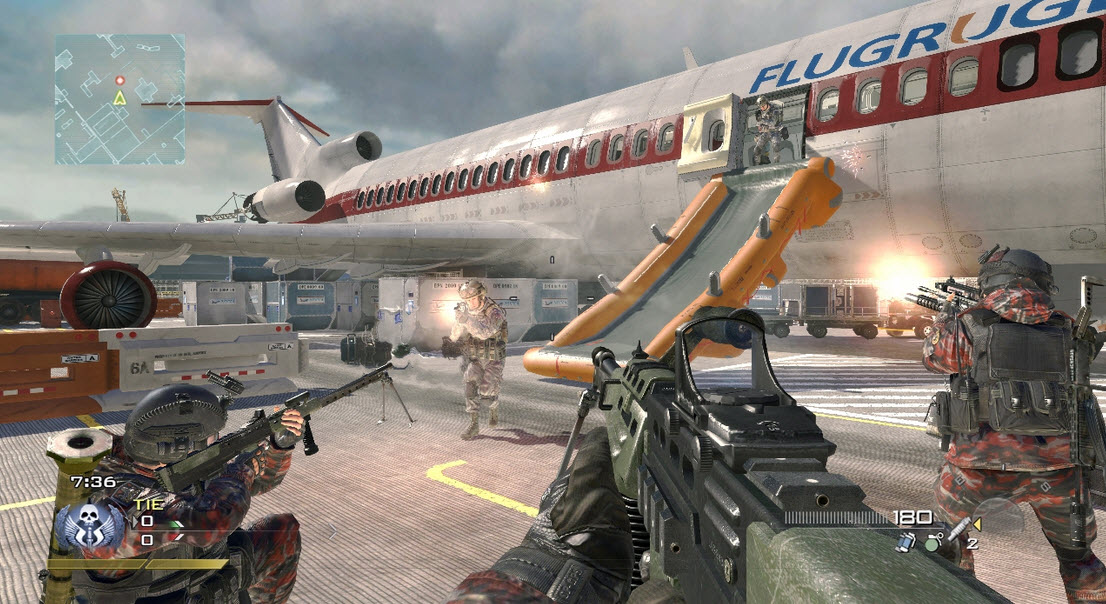
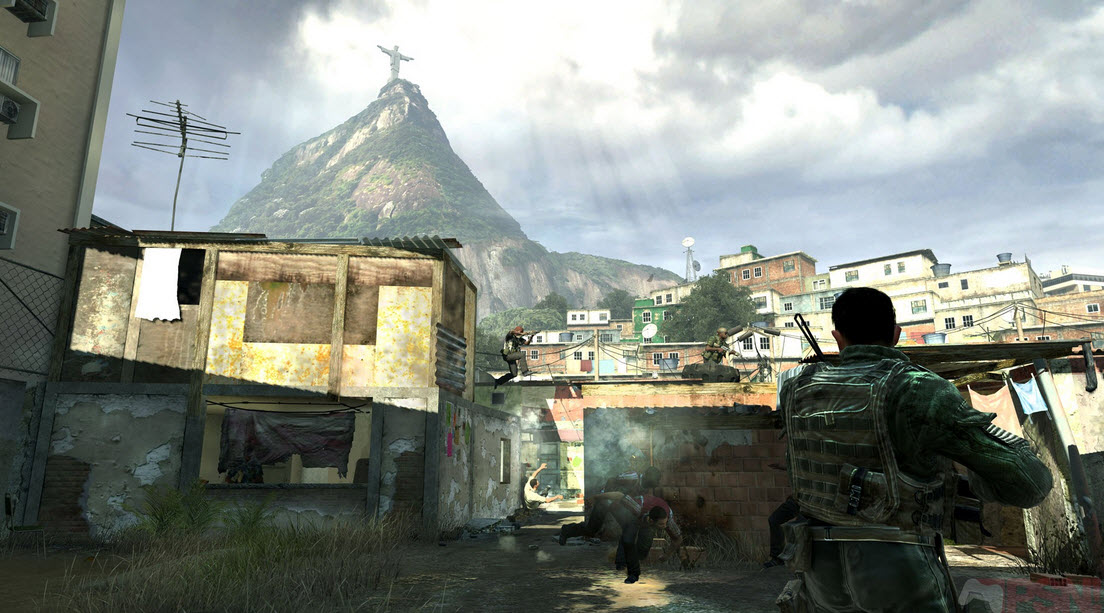
Between the Xbox One and PS4, this console generation brought with it a wave a game remakes the likes of which the industry has never seen before. We’ve had new titles like The Last of Us and GTA V remastered for the current generation, and collections like Halo: The Master Chief collection go all the way back to 2001 to resurrect classics. Now, fans want one more series to go back in time, the most popular franchise on earth, Call of Duty.

Right now there’s a Change.org petition that just passed its goal of 75,000 signatures to get Call of Duty: Modern Warfare 2 an HD remastered re-release. The petition itself is a half-paragraph of poor grammar, but the sentiment is clear, Modern Warfare 2 is a great game people want to play again on current gen, and existing versions are mostly overrun by hackers if you try to play them today.

I have my doubts about the ability of any Change.org petition to actually get anything done (and this one lists Jason West, “CEO of Infinity Ward,” as one of the people it’s addressed to), but I think the idea is worth considering all the same.

This next statement will likely stir debate, but I’d say Call of Duty: Modern Warfare 2 is considered to be the best in the series, at least from a multiplayer perspective. The original Modern Warfare is probably a close second, and Black Ops is probably in the mix somewhere, but I understand why it’s MW2 that has attracted the most attention for a remaster request.

To me, this seems like a no-brainer for a publisher with Activision’s vast resources. Yes, they’re concentrated on getting out a new Call of Duty release out every year, but you know what’s even better than a yearly COD cash cow? Two COD cash cows, which is exactly what a remastered Modern Warfare 2 would be.

Activision has now flipped over to a three year development cycle for Call of Duty games, switching between Treyarch (this year), Infinity Ward (next year) and now Sledgehammer (the year after that, and also last year). Between those three, I have to imagine they’d be able to find someone with time to work on an HD remaster of Modern Warfare. Given that Infinity Ward is not the same Infinity Ward it was when Vince Zampella and Jason West were in charge (despite what this petition thinks), I don’t think it has to be that studio in particular working on the project, just like 343 was able to adapt Bungie’s Halo games for the Master Chief Collection.

And that’s the question, why stop at MW2? I think Activision should go one step past what this petition requests, and do a bundle that’s Modern Warfare’s 1 and 2 as a remastered two-for package. Given how much of a fanbase both have, I think it makes sense, as you’d kill two birds with one stone. Between those two, you’d effectively cover your bases by releasing what probably 90%+ of the fanbase views as the “best” Call of Duty to date.

Even though multiplayer is the primary reason that people want to resurrect these games, I also do think that like Halo: MCC, they should include the original campaigns as well, given that they were some of the best in shooter history between Pripyat, No Russian and other iconic levels/moments. Even if we know all the twists, it would be nice to see them updated all the same (and see what Captain Price’s mustache looks like on new-gen).

Hell, they could even go all the way and throw in Modern Warfare 3 if they really wanted to, making a full package for the sub-franchise. MW3 wasn’t received nearly as well as the other two, but the opportunity for even more maps isn’t a bad thing. In such a package, it would be cool to see multiplayer either segmented by game, with exclusive guns/maps confined to each installment, and alternatively one mode that combines all of them together in one playlist.

modern-warfare3

Potential problems with the idea? I don’t see many, but I suppose given how the Call of Duty machine runs like clockwork each year, Activision might think they’re diluting their base to release two games in the same year, even if one is a remaster. A June release of a Modern Warfare package might overshadow a fall release of a brand new installment of the game from one of the developers, I suppose. I think the year’s spread out enough where both would sell well, however, and overall it would help the franchise more than it would hurt.

Past that, Activision had a very, very bad falling out with Jason West and Vince Zampella when they left Infinity Ward and essentially defected to EA to make Titanfall. I would assume that Activision does have the right to remaster the first two Modern Warfare games crafted by that duo if they wanted to as part of the separation agreement, but it could be another point of conflict they want to avoid unless it’s very clear cut from a legal perspective.

Still overall, petitions aside, a Modern Warfare collection in this age of infinite remasters seems more than logical. I care less about seeing old games look pretty on new consoles, and more about reliving some of the best multiplayer experiences from my youth. That’s why Halo: The Master Chief Collection was at first the most amazing remaster yet when it was going to deliver exactly that, and then ultimately the most disappointing when the multiplayer portion has only just now started working almost four months after release. All of this Modern Warfare HD talk is assuming Activision would not run into the same sort of catastrophic issues at release.

I’m so confident in the logic of this idea, I expect it to become a reality within a next year or two, just like I’m predicting Call of Duty will return to WWII for new installments shortly. Time is a flat circle, and all that.

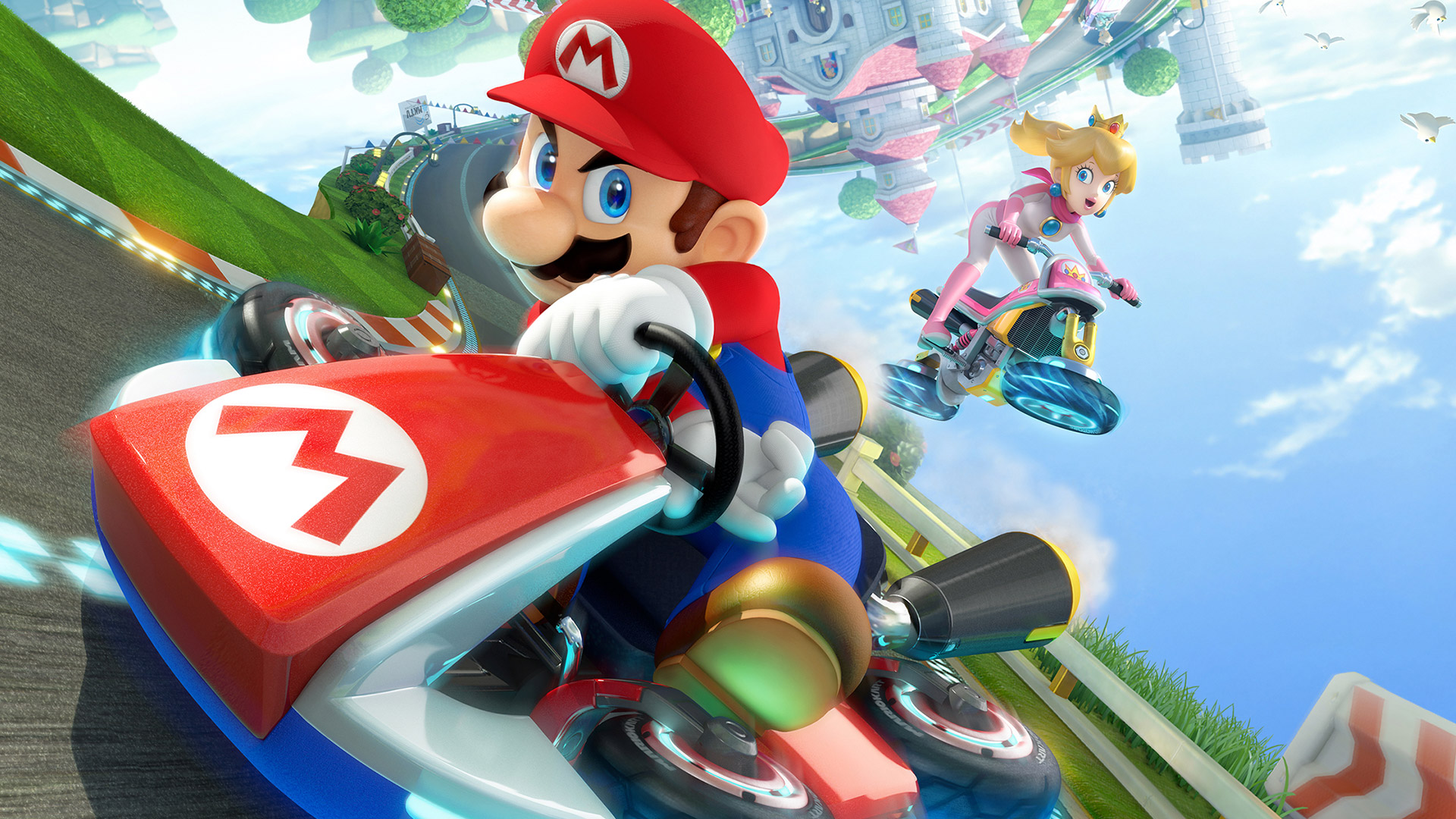
mario-kart1

by Paul Tassi

Thirty years after the debut of the NES, Nintendo still finds themselves as a leader in the video game industry. That’s an unprecedented position to be in, as all Nintendo’s rivals have fallen to their might, and stranger still, Nintendo persists in being the “model” example of many of the best practices of the industry.

DLC has been a huge topic of debate for years now in the industry, with players constantly feeling overcharged or ripped off for content they expected to be in the game in the first place. Nintendo resisted putting DLC in their games at all for years, but now that they have, they’ve shown everyone else what substantive, fairly-priced DLC should look like. Their packs for Mario Kart 8 and Hyrule Warriors are incredibly well-made and offer a huge host of maps, characters, items and more for a below-average price of around $12. Only Nintendo could take a first crack at something like DLC, and end up knocking it out of the park.

Past that, I recently wrote an article detailing the persistent problem that Microsoft and Sony are both having to deal with in this current console generation. Both the Xbox One and the PS4 have a distinct lack of good exclusive games. The piece was inspired by the recent lackluster release of The Order: 1886 on PS4, but the trend has continued since launch, and includes Xbox One as well. The two systems have precious few worthwhile exclusives, with all their best games being third party releases. Of course, Nintendo is the exception once again, as it dominated 2014 in terms of high quality exclusives from Mario Kart 8 to Super Smash Bros. Wii U to Bayonetta 2. In an age where Sony and Microsoft are losing their footing when it comes to first party hits, Nintendo is as strong as ever.

And lastly, yesterday I published a lengthy piece detailing the struggle to get AAA game pricing down to $40 for shorter games like multiplayer-only Evolve and single player-only The Order. I said that right now that $40 price point doesn’t really exist, and then I was promptly corrected when readers reminded me that Nintendo prices some console games at $40, and most of their 3DS games are that price as well. Nintendo even has mastered nuances of the industry I didn’t even know about.

All this is to say that Nintendo has the potential to be in a dominating position in the market, and yet as we all know, they’re lagging far behind. They constantly miss their sales projections, and now the Wii U is officially the slowest selling major Nintendo console of all time. With so much going for them, the world would seem to be Nintendo’s, but what’s preventing them from taking the crown?

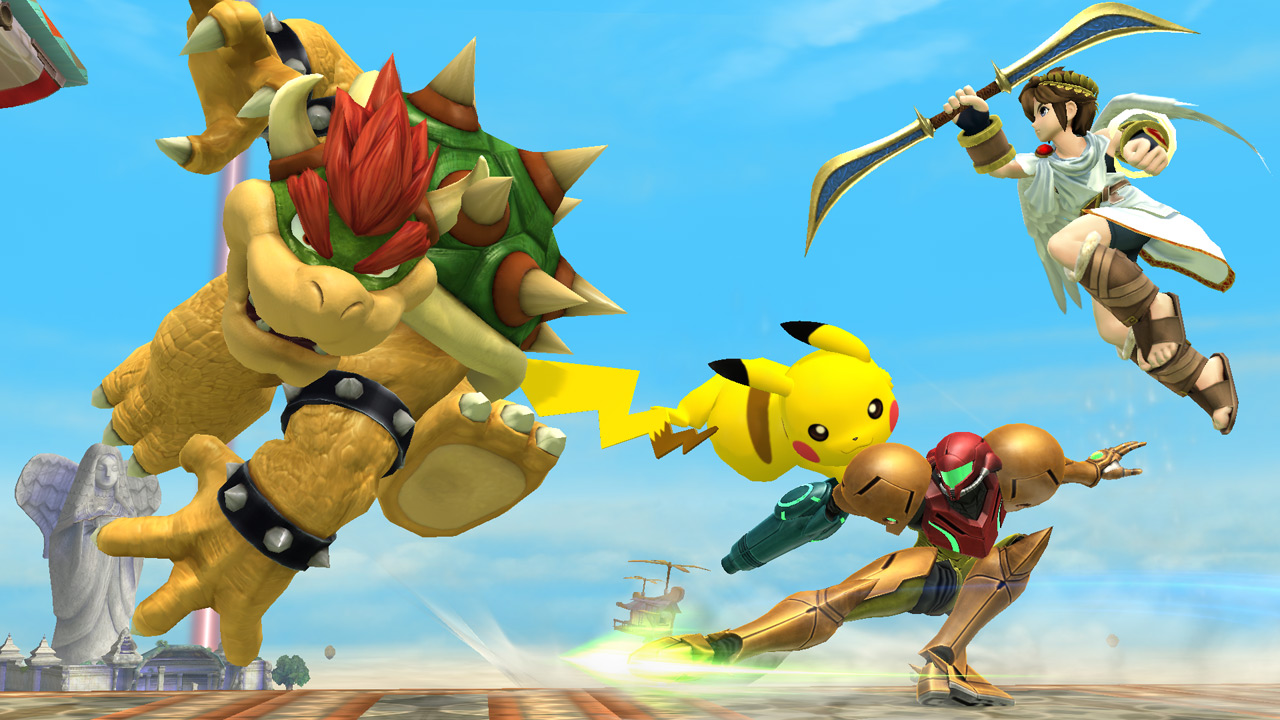
smash-bros

If I had to sum up Nintendo’s central problem in one idea, it’s that they are failing to modernize. That manifests itself in a few different ways, all of which are bringing the company down as a whole.

Many of the minor ways Nintendo resists modernization are evident recently, like how a lack of a unified account system makes transferring games between systems cumbersome for Nintendo fans. Or how Nintendo’s apparent fear and misunderstanding of YouTube has caused them to try and negotiate a contract with video content creators that’s far more controlling and overreaching than any other in the industry.

But above all else, Nintendo’s failure to modernize comes down to a much more tangible problem, their hardware. It’s why the Wii U has struggled so much as of late, and before that, why the Wii burned so many bridges, despite being a worldwide phenomenon among non-gamers.

Though Nintendo has never relied much on multiplatform third party support for games, and have been content to let their own games be their brightest sales stars, times have changed. Though Nintendo still makes great games, so do third party publishers. The problem is that Nintendo has now gotten to a point where they practically have no third party support at all. After anemic sales on the Wii and then the Wii U, many of the biggest developers have abandoned Nintendo entirely. Worldwide hits like Activision’s Call of Duty and EA’s Madden are no longer released for the Wii U. Ubisoft, after disappointments like ZombiU and hardships like the Wii U port of Watch Dogs, has announced that they will no longer make “adult” games for the system. That was demonstrated this year as they released both a new-gen Assassin’s Creed (Unity) and a last-gen one (Rogue) and somehow neither came out for the Wii U.

All the biggest third party hits of 2014 were nowhere to be found on the Wii U, from Dragon Age to Far Cry to Mordor to Destiny. Sony and Microsoft may not have produced more than one memorable exclusive each during the year, but both of them had the distinct advantage of having all these games in their roster while Nintendo had none.

All of this comes down to their hardware, both in terms of power and concept. Nintendo has struggle painfully getting their hardware to match whatever the current standard is set by their console rivals. They previously bemoaned trying to make the leap to HD in an era where their competitors had crossed that bridge years earlier. The result was the Wii with last-gen capabilities in the era of the Xbox 360 and PS3, and now we have Nintendo finally catching up to those systems, but now once again the industry have moved on to the Xbox One and PS4.

Every time this issues comes up, fans will bemoan the fact that “better graphics don’t make better games.” That’s largely true, and yet that isn’t the issue here at all. By designing a system without the capability to play these modern games that use more powerful engines, Nintendo is slamming the door in the faces of countless hit titles. Combine that with Nintendo’s recent need to have some sort of gameplay gimmick as a core part of their new systems, either the Wiimote waggle or now the Gamepad’s second screen, and developing for them is just too exhausting to bother with. Many developers learned that the hard way for the Wii, a huge-selling console, and now they’re far less motivated to even try for the Wii U, which has only sold a fraction of the amount of its predecessor.

destiny-dark-below42

But this is what’s so frustrating about the situation. If Nintendo could field a truly modern console, they could run the table on the Xbox One and PS4. They have far and away the best first party exclusive line-up out there, including 2-4 of the best games of the year in any given year. They would be an absolute powerhouse if they had access to the other seven games that make up yearly top ten lists. And yet, their inability or lack of desire to keep up technologically with their competition has made them fall far behind instead.

So what to do? Ignoring the much-hated suggestion of Nintendo getting out of hardware entirely and focusing on games, they need to produce a console that catches up or surpasses the current generation in terms of power, during that generation, not afterward. They need to allow their games to be played with a normal controller, and not invent a new gimmick as the focal point of the system, only to end up rarely using it at all.

Though this would have been great advice four years ago, I have to wonder if it’s even possible now. It does seem likely that Nintendo will be the next of the big three to come out with new console hardware, given that the Wii U is older than the other two and Nintendo has already admitted they’re working on something new. And yet, it’s hard to know if A) they’re up to the challenge of making the kind of system they need to and B) if a mid-generation release would be a hit or a disaster.

For a decade now, Nintendo has shown that they just do not have the capacity to match the technical capabilities of their competition for whatever reason. It’s hard to understand how at this point they could just flip some magic switch and produce a console to rival the PS4/One. If they do, it seems like it would take long enough to develop that by the time it does come out, the cycle has begun again.

Secondly, if Nintendo did release a new console, a powerful one, in the next three years or so, how would it sell? Existing Wii U owners may be dismayed they have to upgrade to another Nintendo system already, and current Xbox One and PS4 owners will have already made their choice for the console generation, as only a fraction of the market owns more than one major console given their high cost. Nintendo would be debuting a new console in the middle of a generation that’s already saturated with consoles, and years out, would probably have lower price points to boot compared to a brand new Nintendo system.

wii-u2

But if Nintendo is to stay in the hardware game, this seems like the only plausible way forward for them. Despite Zelda and Starfox supposedly coming in the next year or two, the biggest games of any Nintendo generation, Mario Kart and Smash Bros, have already come and gone. The Wii U will continue to feel more and more dated as time goes on, and it’s hard to imagine a resurgence for it. Recently Nintendo executive have said that “one great game” could save the system, pointing to how Pokémon extended the life of the Game Boy for years, but it’s hard to bank on Nintendo pulling that same rabbit out of the hate twice. Ironically, the only game I can see doing that would be a fully-fledged console Pokémon RPG, something Nintendo seems determined never to make for reasons that forever elude me.

It’s a frustrating situation because Nintendo does so much right in the industry right now, and it’s maddening to see that their biggest problem is their inability to make a modern console that can play the kind of third party games that Nintendo needs to bolster their roster and better their market position. But all the solutions seem like hard, if not impossible answers. Nintendo has survived a good long while now, but their decisions about what comes next for them are going to be incredibly important if they want to remain a fixture in the industry for decades to come.

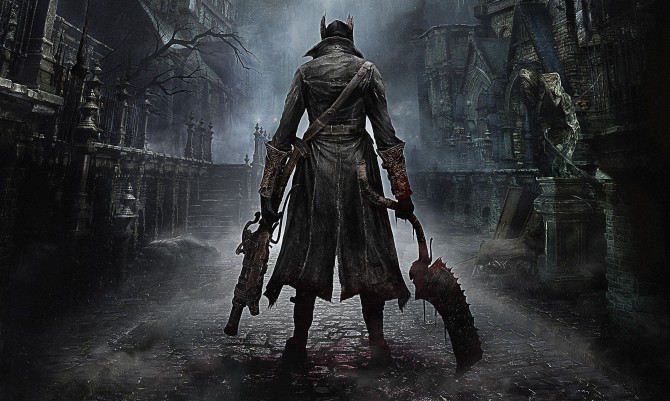
BB_KyeArt_A_257295_14023645371-670x401

by ‘Gareth’

With The Order:1886 being released to mixed to negative reviews, PS4 fans now turn their attention to the next big system exclusive, Bloodborne. The game combines dark and Gothic gameplay with a hack and slash combat system in a richly detailed environment that players can explore as they battle all manner of supernatural creatures and epic Boss monsters. I loved my time with the game at PAX Prime and although it was a challenge, I found it and Until Dawn to be my favorite PS4 games at the show. The fluid motion and brutal close range combat was a real thrill and the ability to sneak in a weapons blast in the midst of the ballet of blades showed just how much bloody fun this game could be.

I also enjoyed climbing ladders, exploring the streets and seeing the detailed city in which the game level was set. It has also been revealed that the game will have dungeon levels that change as you go and will also allow co-op play which will likely make many fans very happy. The Order: 1886 had to endure harsh criticism pre release over perceptions about limited mobility and gameplay freedom, short running time, and a lack of multiplayer. One person compared it to a collection of great collection of movies wrapped around a very short and limited cover based shooter. I am reserving my final verdict on The Order: 1886 until I get more time with the game but I can honestly say I am less then encouraged by all the less than positive reviews for the game to date. Bloodborne on the other hand has basked in a wave of cautious optimism and excitement with hardly any overt concerns being voiced by the gaming masses.

Gamers who found disappointment with The Order: 1886 are likely going to either embrace or be cautious about the latest PS4 exclusive but I do not detect nearly as much trepidation about Bloodborne and fans are eager to let the hardware of their PS4 loose on a game which they believe will showcase the power and versatility of the system. With that being said, and despite which are likely strong sales for The Order: 1886 based on pre-orders, Sony can use a hit game with strong critical approval going into E3 in June as the last thing they need is for their two big 2015 AAA exclusives to be met with bad reviews and worse, discord and disappointment from their fan base as they attempt to build even more momentum from their E3 showcase where all manner of new games will come. Until Dawn and the latest Uncharted game are still looming, but for fans, all eyes have turned towards Bloodborne and the hopes that it will deliver upon its promise.

Confessions of a former gamer

Posted: February 16, 2015 in Opinion Piece

778c93aa2ff45ff336b41df1ca987df2

by Peter Cohen, Mac Managing Editor of iMore

Maddy Myers’ recent column for iMore, A salute to iOS gamers, or how to stop intimidating your non-gamer friends, comes at an interesting time. Because it’s an issue I’ve been wrestling with myself for quite some time.

For almost a decade, I wrote a column for Macworld magazine called “The Game Room,” gently reminding our readers that Macs could be used to play games, and great games at that. Games have always been a central part of what I’ve used computers for. Over the years, I’ve found myself growing increasingly distant from gamer culture.

I’ve played computer and console games since I was a kid in the 1970s. I saw first-hand the rise of the home video game console market, and was part of the early hobbyist personal computer trend. Back in the old days, when we trudged uphill in snow to program BASIC on command lines to play Tic Tac Toe (get off my lawn).

Through many generations of game consoles, I’d be among those who would take time off from work to wait in the wee hours for the first day of sales; I remember doing so for my Sega Dreamcast; I remember excitedly opening my Xbox and my PlayStation 3 the same way. I bred that love for games in my kids, too, and we often used gaming as an excuse to play together, the same way other generations played (and still play) board and card games.

Now I’m in my mid-40s. As I’ve gotten older, my priorities have changed. I don’t have the leisure time I used to, and I don’t have the disposable income I used to. Those two things alone have dramatically affected my ability to get and enjoy games.

The other thing that’s changed is me. I no longer identify myself as a “gamer,” especially compared to my two boys — 19 and 14 respectively. (My daughter, in between the two boys, hasn’t really spent much time gaming.) As I recounted a few weeks ago, the 14 year old actually had me help him build a gaming PC, and the 19 year old spends most of his leisure time playing games with his friends online. Both of them are part of a culture I really don’t identify with anymore, partly because of age, partly because of shifting priorities.

Last year’s “GamerGate” controversy solidified that I wasn’t part of the “hardcore” gaming culture anymore. The violent reaction of a contingent of gamers against others looking for less marginalization struck me as a particularly immature, unacceptable reaction that I wanted no part of.

But mostly it’s about time. More specifically, it’s about how I spend my free time. The funny thing is that I probably spend as much, if not more time playing games now than I did when I was younger. But the way I spend that time is different.

Rather than grabbing hours during nights and weekends to master hardcore action games, in-depth strategy titles and adventure games that take hours to explore, I spend minutes here and there. That lends itself to a lot more play of casual titles, which usually sit on my iPhone or my iPad, rather than the computer.

There’s no question that as the smartphone market has exploded, so has the casual game market. And casual game makers are finding new and innovative ways to grab our attention all the time.

Some of the games I play most frequently are, by the measure of most “serious” gamers, utterly banal: Games like Hay Day, the Farmville-style task management game from the people who make Clash of Clans. But it’s a game I can get in and out of easily while waiting for an appointment to start. Trivia Crack has proven itself to be fun for the same reason: Easy to spend a minute on here or there, collaborative, but not overly demanding of time or resources. Even runners like Yak Dash have found their way onto my phone; fun time-wasters that I can spend a minute or two with here and there, then get out of and not think about again until I’m ready to play.

I still love well-crafted, involved and detailed games, especially ones that make it to the Mac. And I still plan to examine them critically and report on the business, because it’s still of enormous interest to me (and to my readers as well, I presume). But I no longer identify as a gamer the same way I used to. I’ve moved on. And I’m not sure that being a “gamer” even matters anymore, in the scheme of things. Games have become so interwoven into most of our daily experience, aren’t most of us gamers these days?

Final-Fantasy-XIII-2-Walkthrough-Final-Episode-Academia-500-AF

by Mike Worby

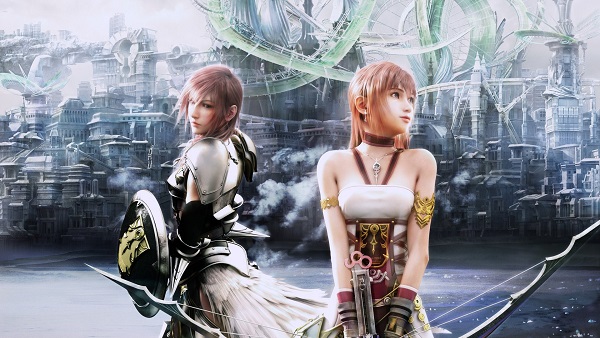
One of the most common requests that has long reverberated from the RPG community has been the desire for a true Chrono Trigger successor. What fans have spent years pining for was the dream of a modern game that featured all of the great ideas which made CT the instant classic that it was: time-travel, vastly different timelines, paradoxes, and choices that showed consequences over the course of thousands of years. What very few people realize is that this highly anticipated ideal of a game has already come and gone under a different title: Final Fantasy XIII-2.

Final Fantasy XIII, the game that preceded XIII-2, remains a bit of a paradox in and of itself. Though it sold very well, and, for the most part, was well-received critically, the majority of the series’ fanbase was left cold by the introduction to the Fabula Nova Crystallis project. The biggest criticisms for the title were in relation to the gameplay and pacing of the adventure. Exploration, one of the Final Fantasy series’ key features had been jettisoned almost entirely in favor of what amounted to basically an on-rails adventure tale with scripted events in the interim. In fact, players would have to endure 20-30 hours of this gameplay style before they were even given a single choice on how to play the game, and by this point most of them had already tapped out.

Ff13_2_e3_battle

Unfortunately this legacy is what led primarily to the downfall of FF XIII-2. With most fans dissatisfied, and the FFXIII name sullied, there was not a lot of fanfare for a sequel to a game that had so much negativity associated with it, and that many purchasers had neglected to even finish. The reason this remains such an astounding and tragic turn of events, though, is because XIII-2 is not just one of the greatest RPG titles of this generation, but one of the best RPGs of all time.

That statement might be a bit hard to swallow, but just give us a moment to convince you. For starters, Final Fantasy XIII-2 is one of only 22 games to ever be bequeathed with the legendary perfect score of 40/40 from Japan’s preeminent gaming magazine, Famitsu. What this game amounts to is basically the best parts of what worked in Chrono Trigger, and all of the best iterations of the Pokemon and Final Fantasy franchises.

From Chrono Trigger it borrows the wildly inventive time travel mechanic, and turns it up to 11. Utilizing an almost daunting timeline system, FF XIII-2 has a plot which is often directly related to how you play the game, and even incorporates your choices (and your level of dedication) into how these various eras and places will develop over time. Going even further, XIII-2 actually has multiple timelines, some of which end in a paradox, as seen in the games opening moments, where Lightning, the protagonist of the first game, disappears into an oblivion of never-ending war.

Serah_finds_Snow

Pokemon lends XIII-2 its monster-catching gameplay, in what amounts to one of the most important decisions players can make for any given situation: the third member of your party. While the two primary roles of the battle system, which returns the highly tactical Paradigm design from FF XIII, are taken by the protagonists, Serah and Noel, the third position is reserved for whichever monster you believe can best assist you in your given situation. With the allowance to create and stack several decks of different monsters under different roles, and swap out your heroes with those same roles, XIII-2 brings back everything that worked for Final Fantasy XIII-2, just as it tosses out everything that didn’t.

You see, Square-Enix had heard the criticisms that everyone leveled at it over Final Fantasy XIII, it’s just that no one took the time to check in with them afterward. All of the key problems with the title are directly addressed, and a ton of new ideas are introduced in order to make up for the disappointment that many fans were left with in its wake. Meanwhile, the trademark exploration elements of the series returned in spades, with dozens of new environments to explore, the return of key characters in vastly different scenarios, and a world that literally changed with each passing hour.

Final Fantasy XIII-2 remains the best installment in the series since the golden age of the PSX, it’s just a shame that so few took the time to play it and see its endless potential. The title undersold, and, as such, its mechanics were thrown away entirely in favor of an action-based third installment, Lightning Returns: Final Fantasy XIII. This series of unfortunate events has made FF XIII-2‘s situation even more dire in its tragedy, leaving it in its own paradox as one of the best RPG titles of the last 20 years, while being sandwiched tangentially between 2 mediocre and under-delivering games in the same series.

by Chris Reed

We’ve already covered video game series that started off good but went bad. Instead of rehashing those titles, this time, let’s look at currently ongoing series that are either making poor games or have gotten stuck in a creative rut. In some instances the games might even be good, but they’re not doing enough to move the franchise forward. Here are six video game series that either need to shake things up in a major way, or call it quits.

1. Final Fantasy

finalfantasy7

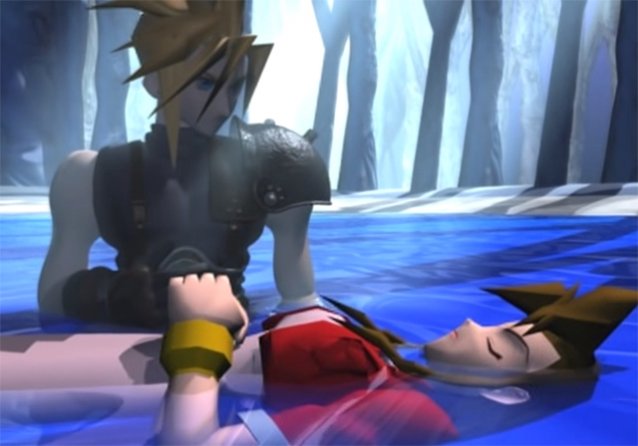
Very few people would debate the quality of the first 10 Final Fantasy games. With surprisingly few exceptions, they’re well worth your time. And many — like numbers IV, VI, VII, IX, and X – are among the best role-playing games ever made. Asking a series for more excellent games than that would be downright selfish.

However, most fans would agree that the last really good installment was Final Fantasy X, which came out in 2001. Square Enix is still pumping them out, but 14 years is a long time to run on fumes. If Final Fantasy XV is a disappointment, then it’s probably time to lay the series to rest.

2. Pokémon

pokemon-alpha-sapphire

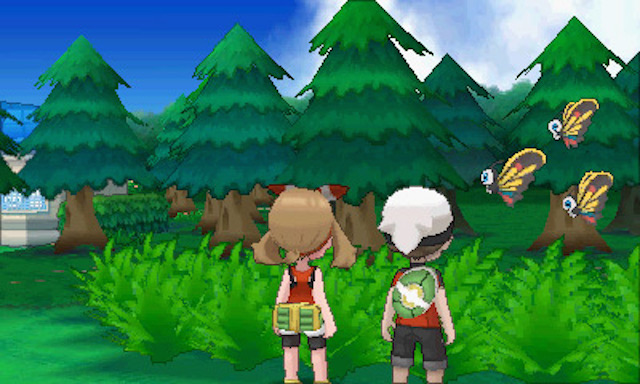
Oh, Pokémon. I like you. I really do! But has there ever been a series of games that has run for so long and changed so little? Sure, the games have collected some handy new features along the way, but so much of each installment remains exactly the same from year to year.

You always play as a kid who goes from town to town, collecting critters and challenging gym leaders. Longtime fans could probably play any new installment with their eyes closed. Isn’t it either time to add some spice to the recipe or take time off to come up with new ideas?

3. Gears of War

2541914-gearsjudgment-1024x595

Gears of War is a series that innovated itself into a rut. The original game was groundbreaking in the world of shooters: It popularized the concept of the cover mechanic, which was a big win for the industry. Prior to that, no one seemed to realize that charging into a battle with no cover was a bad idea.

The sequel tightened up everything that felt loose about the first game, delivering a terrific, action-packed experience. After that, however, Gears of War 3 and Gear of War: Judgment just felt kind of stale. A couple of minor new gameplay ideas were introduced, but nothing groundbreaking. The games are fine, but “fine” is a pretty big drop from “groundbreaking.”

Microsoft is planning to bring the series to Xbox One, albeit with a new development team. If we’re lucky, a next installment will breathe new life into the series. On the other hand, it just might be best to leave it in the past.

4. Assassin’s Creed

assassins_creed_iii-640x400

I get it. It’s hard for any publisher to release yearly installments of a series and maintain a high level of quality each time. But there’s one really great solution: quit making so many games.

Assassin’s Creed Unity was such a buggy mess at launch that Ubisoft gave away a chunk of additional content as an apology. And although the series may have pioneered some really smart gameplay ideas, other games, like Batman Arkham City and Middle-earth: Shadow of Mordor, have improved upon these ideas while Assassin’s Creed has remained stuck.

Take a year off, Ubisoft. Put some extra effort into these games. Work on simplifying the insanely complex story that has only become more difficult to follow over the years. Make Assassin’s Creed fresh again.

5. The LEGO series

LEGO-Batman-3_BatmanRobin_01-640x360

It was hilarious and fun in 2005 when the first licensed LEGO game rebuilt the Star Wars prequel trilogy using animated building blocks. But the series has chugged on, with installments based on Harry Potter, Indiana Jones, The Lord of the Rings, Batman, Rock Band, Pirates of the Caribbean, Marvel Superheroes, and the upcoming Jurassic World. Ugh. It’s exhausting just listing them all. When will there be enough? Isn’t it time to take a break?

6. LittleBigPlanet

littlebigplanet-640x360

Here’s a series that started off great back in 2008. The original game was a side-scrolling platformer that involved jumping over obstacles and solving breezy puzzles to get from point A to point B. It also let players get creative by decorating their own area and whipping up their own levels to share online. Plus, Sackboy the hero was adorable.

The second game came with all kinds of innovations, particularly on the creative side of things. With enough time, creativity, and elbow grease, you could build just about any kind of level you wanted using the tools provided. It seemed like nothing was impossible.

But then along came the uninspired third installment, which failed to innovate in any major way. It’s time to change things up once more or send Sackboy packing.


theamazingspiderman2_promotionalstill21_1020_0

by Jacob Kastrenakes

Sony appears to be lending Spider-Man to Marvel in exchange for the studio’s expertise — not its money. According to The Hollywood Reporter, Marvel won’t be paying a dime to put Spider-Man in one of its upcoming films, despite the fact that Sony still holds the character’s film rights. Instead, Sony reportedly sees the free exchange as a way to bolster the Spider-Man franchise, which by most accounts should be doing far better at the box office than it currently is. Marvel is hugely successful at making superhero movies, and that means Spider-Man should be in much better shape the next time Sony puts him in a solo film.

That’s a really interesting exchange for a whole host of reasons. Marvel’s side is perhaps the simplest. For one, it’s great news for Marvel’s fans, who have wanted to see it take back Spider-Man for a long time. It’ll also prime the studio’s movie universe should it ever manage to reacquire the hero’s film rights. But more importantly, the Reporter notes that Marvel still holds Spider-Man’s merchandising rights, so there’s still plenty of money for it to make off of Sony’s films — especially when they’re successful.

What’s more notable is that, with this deal, Sony is basically admitting that it’s not very good at making Spider-Man movies. Under the agreement, Marvel Studios president Kevin Feige — who’s generally seen as the mastermind behind the Marvel Cinematic Universe — will co-produce Sony’s next Spider-Man movie. Sony retains final creative control on the films, so there’s plenty that could go wrong, but the intention is quite clearly for Feige to work his magic. After all, Marvel isn’t about to put its other characters into Spider-Man movies that it doesn’t have faith in.

The Reporter bolsters that understanding of this agreement with new details of how the film will be made at Sony. According to its report, producers Avi Arad and Matt Tolmach — who had been overseeing the Amazing Spider-Man franchise and its planned universe of spinoffs — will merely be executive producers on these new films. While that’s a nice title, it reportedly means that they’ll have little say creatively. That’s a big change, and one that seems to show Sony stepping away from its existing ideas about the character.

That said, Variety reports that Sony is moving forward with its plan to create a world of Spider-Man spinoffs, including Sinister Six, Venom, and an additional movie focused on women. Feige, reportedly, is not expected to have any involvement with the spinoffs. Even so, it’s possible that he’ll be around for the pictures focused on Spider-Man himself. Variety also makes it sound like we shouldn’t be surprised to see Spider-Man pop up in more than one Marvel movie.

How this partnership plays out in the longterm still remains unclear. Sony and Marvel intend to keep working together to some degree, but it isn’t obvious how close that’ll be. If fans want good Spider-Man movies, they should hope that Marvel remains intimately involved. It wouldn’t be surprising for Sony to want that as well: the studio could use a huge franchise, and Marvel’s involvement is the closest guarantee it can get to making a hit.

mario-kart1

by Paul Tassi

Thirty years after the debut of the NES, Nintendo still finds themselves as a leader in the video game industry. That’s an unprecedented position to be in, as all Nintendo’s rivals have fallen to their might, and stranger still, Nintendo persists in being the “model” example of many of the best practices of the industry.

DLC has been a huge topic of debate for years now in the industry, with players constantly feeling overcharged or ripped off for content they expected to be in the game in the first place. Nintendo resisted putting DLC in their games at all for years, but now that they have, they’ve shown everyone else what substantive, fairly-priced DLC should look like. Their packs for Mario Kart 8 and Hyrule Warriors are incredibly well-made and offer a huge host of maps, characters, items and more for a below-average price of around $12. Only Nintendo could take a first crack at something like DLC, and end up knocking it out of the park.

Past that, I recently wrote an article detailing the persistent problem that Microsoft and Sony are both having to deal with in this current console generation. Both the Xbox One and the PS4 have a distinct lack of good exclusive games. The piece was inspired by the recent lackluster release of The Order: 1886 on PS4, but the trend has continued since launch, and includes Xbox One as well. The two systems have precious few worthwhile exclusives, with all their best games being third party releases. Of course, Nintendo is the exception once again, as it dominated 2014 in terms of high quality exclusives from Mario Kart 8 to Super Smash Bros. Wii U to Bayonetta 2. In an age where Sony and Microsoft are losing their footing when it comes to first party hits, Nintendo is as strong as ever.

And lastly, yesterday I published a lengthy piece detailing the struggle to get AAA game pricing down to $40 for shorter games like multiplayer-only Evolve and single player-only The Order. I said that right now that $40 price point doesn’t really exist, and then I was promptly corrected when readers reminded me that Nintendo prices some console games at $40, and most of their 3DS games are that price as well. Nintendo even has mastered nuances of the industry I didn’t even know about.

All this is to say that Nintendo has the potential to be in a dominating position in the market, and yet as we all know, they’re lagging far behind. They constantly miss their sales projections, and now the Wii U is officially the slowest selling major Nintendo console of all time. With so much going for them, the world would seem to be Nintendo’s, but what’s preventing them from taking the crown?

smash-bros

If I had to sum up Nintendo’s central problem in one idea, it’s that they are failing to modernize. That manifests itself in a few different ways, all of which are bringing the company down as a whole.

Many of the minor ways Nintendo resists modernization are evident recently, like how a lack of a unified account system makes transferring games between systems cumbersome for Nintendo fans. Or how Nintendo’s apparent fear and misunderstanding of YouTube has caused them to try and negotiate a contract with video content creators that’s far more controlling and overreaching than any other in the industry.

But above all else, Nintendo’s failure to modernize comes down to a much more tangible problem, their hardware. It’s why the Wii U has struggled so much as of late, and before that, why the Wii burned so many bridges, despite being a worldwide phenomenon among non-gamers.

Though Nintendo has never relied much on multiplatform third party support for games, and have been content to let their own games be their brightest sales stars, times have changed. Though Nintendo still makes great games, so do third party publishers. The problem is that Nintendo has now gotten to a point where they practically have no third party support at all. After anemic sales on the Wii and then the Wii U, many of the biggest developers have abandoned Nintendo entirely. Worldwide hits like Activision’s Call of Duty and EA’s Madden are no longer released for the Wii U. Ubisoft, after disappointments like ZombiU and hardships like the Wii U port of Watch Dogs, has announced that they will no longer make “adult” games for the system. That was demonstrated this year as they released both a new-gen Assassin’s Creed (Unity) and a last-gen one (Rogue) and somehow neither came out for the Wii U.

All the biggest third party hits of 2014 were nowhere to be found on the Wii U, from Dragon Age to Far Cry to Mordor to Destiny. Sony and Microsoft may not have produced more than one memorable exclusive each during the year, but both of them had the distinct advantage of having all these games in their roster while Nintendo had none.

All of this comes down to their hardware, both in terms of power and concept. Nintendo has struggle painfully getting their hardware to match whatever the current standard is set by their console rivals. They previously bemoaned trying to make the leap to HD in an era where their competitors had crossed that bridge years earlier. The result was the Wii with last-gen capabilities in the era of the Xbox 360 and PS3, and now we have Nintendo finally catching up to those systems, but now once again the industry have moved on to the Xbox One and PS4.

Every time this issues comes up, fans will bemoan the fact that “better graphics don’t make better games.” That’s largely true, and yet that isn’t the issue here at all. By designing a system without the capability to play these modern games that use more powerful engines, Nintendo is slamming the door in the faces of countless hit titles. Combine that with Nintendo’s recent need to have some sort of gameplay gimmick as a core part of their new systems, either the Wiimote waggle or now the Gamepad’s second screen, and developing for them is just too exhausting to bother with. Many developers learned that the hard way for the Wii, a huge-selling console, and now they’re far less motivated to even try for the Wii U, which has only sold a fraction of the amount of its predecessor.

destiny-dark-below42

Xbox One and PS4. They have far and away the best first party exclusive line-up out there, including 2-4 of the best games of the year in any given year. They would be an absolute powerhouse if they had access to the other seven games that make up yearly top ten lists. And yet, their inability or lack of desire to keep up technologically with their competition has made them fall far behind instead.

So what to do? Ignoring the much-hated suggestion of Nintendo getting out of hardware entirely and focusing on games, they need to produce a console that catches up or surpasses the current generation in terms of power, during that generation, not afterward. They need to allow their games to be played with a normal controller, and not invent a new gimmick as the focal point of the system, only to end up rarely using it at all.

Though this would have been great advice four years ago, I have to wonder if it’s even possible now. It does seem likely that Nintendo will be the next of the big three to come out with new console hardware, given that the Wii U is older than the other two and Nintendo has already admitted they’re working on something new. And yet, it’s hard to know if A) they’re up to the challenge of making the kind of system they need to and B) if a mid-generation release would be a hit or a disaster.

For a decade now, Nintendo has shown that they just do not have the capacity to match the technical capabilities of their competition for whatever reason. It’s hard to understand how at this point they could just flip some magic switch and produce a console to rival the PS4/One. If they do, it seems like it would take long enough to develop that by the time it does come out, the cycle has begun again.

Secondly, if Nintendo did release a new console, a powerful one, in the next three years or so, how would it sell? Existing Wii U owners may be dismayed they have to upgrade to another Nintendo system already, and current Xbox One and PS4 owners will have already made their choice for the console generation, as only a fraction of the market owns more than one major console given their high cost. Nintendo would be debuting a new console in the middle of a generation that’s already saturated with consoles, and years out, would probably have lower price points to boot compared to a brand new Nintendo system.

wii-u2

But if Nintendo is to stay in the hardware game, this seems like the only plausible way forward for them. Despite Zelda and Starfox supposedly coming in the next year or two, the biggest games of any Nintendo generation, Mario Kart and Smash Bros, have already come and gone. The Wii U will continue to feel more and more dated as time goes on, and it’s hard to imagine a resurgence for it. Recently Nintendo executive have said that “one great game” could save the system, pointing to how Pokémon extended the life of the Game Boy for years, but it’s hard to bank on Nintendo pulling that same rabbit out of the hate twice. Ironically, the only game I can see doing that would be a fully-fledged console Pokémon RPG, something Nintendo seems determined never to make for reasons that forever elude me.

It’s a frustrating situation because Nintendo does so much right in the industry right now, and it’s maddening to see that their biggest problem is their inability to make a modern console that can play the kind of third party games that Nintendo needs to bolster their roster and better their market position. But all the solutions seem like hard, if not impossible answers. Nintendo has survived a good long while now, but their decisions about what comes next for them are going to be incredibly important if they want to remain a fixture in the industry for decades to come.

destiny-overhyped

by Jacob Siegal

2014 had so much potential.

Watch Dogs was going to change the face of gaming as we knew it. Destiny was going to bring MMO conventions to the console in the most incredible mash-up of the generation. Assassin’s Creed Unity was going to revitalize one of the most popular franchises of the past decade.

But none of that happened.

Instead, what we got was one of the sloppiest collection of game releases in recent history. Half of the most anticipated games of the year didn’t work correctly at launch and the other half were delayed to 2015.

Plenty of digital ink has already been spilled over the dangers of preordering, but they say that repetition breeds success, so I’ll throw my hat into the ring.

If we hadn’t preordered Destiny, Bungie and Activision might not already be neck deep in the development of overpriced expansions and a full-fledged sequel due out in 2016. If we hadn’t preordered The Master Chief Collection, we would have known that the multiplayer component of the game was broken before it was sitting on our shelves collecting dust.

This year, make it a priority to avoid preordering games. Yes, you might miss out on a day one release on occasion, but who wants a broken video game on release day anyway? If Evolve launches next month and you can’t get online, it won’t matter whether or not you own it.

So when you find yourself perusing the local GameStop this year, stop and think before putting down $5 for the next big release. Why not wait and see if the game actually works before investing in a product that the developer didn’t finish?